
Opioid and opiate addiction can affect physical health, emotional well-being, relationships, and everyday life. Whether someone is struggling with prescription painkillers, heroin, fentanyl, or another opioid substance, finding the right addiction treatment can be an important step toward recovery.
At Spark To Recovery, we understand that every person’s experience with addiction is different. Our addiction treatment programs in Los Angeles are designed to address substance use and its underlying challenges through individualized care, clinical support, and therapeutic services.
We provide support for people struggling with different types of opioid and opiate addiction, including Opium, Morphine, Codeine, Heroin, Oxycodone, Hydrocodone, and Fentanyl. Explore the substances below to learn about their associated addiction challenges and discover more about the treatment options available at Spark To Recovery.


Opioid and Opiate Addiction
Understanding the Difference
Opioids are a broad group of substances that act on opioid receptors in the brain and nervous system. They include naturally derived opiates, semi-synthetic opioids, and fully synthetic opioids. These substances are commonly associated with pain relief, but they can also produce relaxation and euphoria.
Opiates are naturally derived from the opium poppy plant. Morphine and Codeine are examples of natural opiates, while substances such as Oxycodone, Hydrocodone, and Fentanyl belong to the broader opioid category.
Repeated opioid use can lead to tolerance, physical dependence, and opioid use disorder. Some people develop dependence while using prescription medication, while others struggle with substances obtained outside medical care.
Regardless of the substance involved, addiction treatment should consider the person’s use history, withdrawal concerns, physical health, mental health, and individual recovery needs.
Types of Opioid and Opiate Addiction We Treat
Opioid addiction can involve different substances, and each one may present its own challenges during treatment and recovery. Explore the types of addiction below to learn more about the concerns associated with each substance and the treatment support available.
Natural Opiate Addiction Treatment
Natural opiates come from the opium poppy plant. Although some have recognized medical uses, repeated use or misuse can lead to physical dependence, cravings, and difficulty controlling substance use.
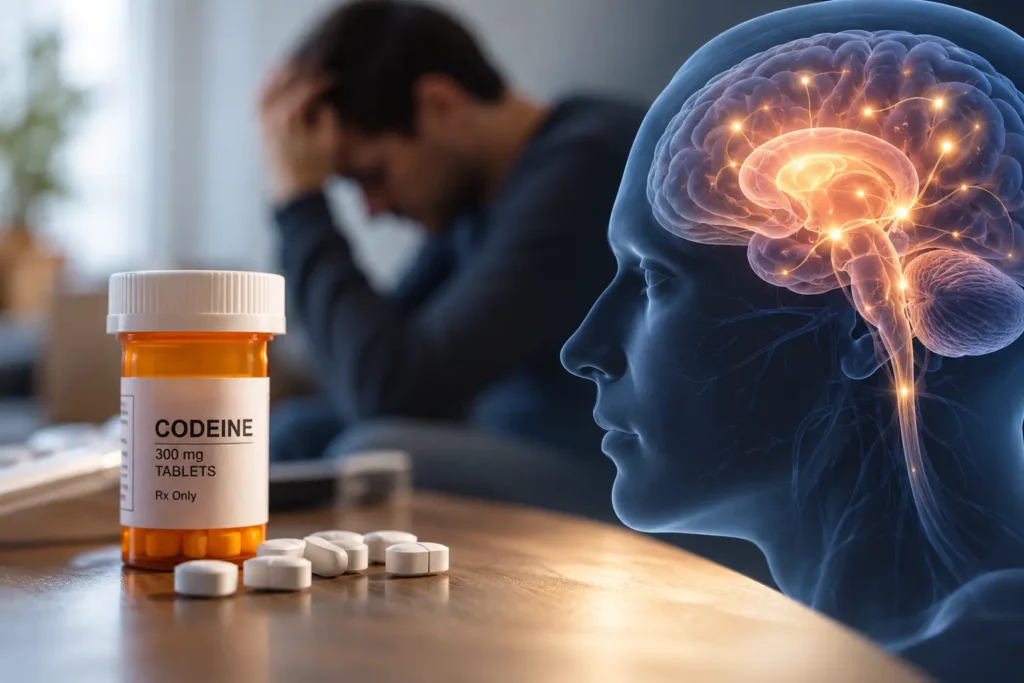
Codeine Addiction Treatment
Codeine is an opioid medication used to relieve pain and, in certain formulations, suppress coughing. Misusing Codeine or taking it more frequently or in higher amounts than directed can lead to tolerance and physical dependence.
Codeine addiction treatment can help individuals address problematic medication use, understand the patterns contributing to dependence, and develop healthier coping strategies. A clinical assessment helps determine the appropriate level of treatment and support.

Morphine Addiction Treatment
Morphine is a prescription opioid used to manage moderate to severe pain. Although it can be prescribed for legitimate medical reasons, repeated use may lead to tolerance, physical dependence, and addiction.
People struggling with Morphine addiction may find themselves taking higher doses, using the medication more frequently than prescribed, or feeling unable to stop. Treatment can help address prescription medication misuse, withdrawal concerns, cravings, and the factors contributing to continued use.

Opium Addiction Treatment
Opium addiction can develop through repeated use of this naturally derived opioid substance. Over time, a person may experience tolerance, physical dependence, cravings, and difficulty stopping even when use begins to affect their health or daily responsibilities.
Opium addiction treatment may involve professional assessment, support during withdrawal, and therapeutic care that addresses the behavioral and emotional aspects of substance use. The appropriate approach depends on the person’s history of use and individual treatment needs.
Semi-Synthetic Opioid Addiction Treatment
Semi-synthetic opioids are produced by chemically modifying naturally occurring opiate compounds. Several are prescribed for pain management, but misuse can result in dependence, compulsive use, and serious health risks.

Heroin Addiction Treatment
Heroin is a highly addictive semi-synthetic opioid derived from morphine. Its effects can lead to repeated use, intense cravings, and physical dependence, making it difficult for some individuals to stop without professional support.
Heroin addiction treatment may address withdrawal symptoms, cravings, behavioral patterns, and the circumstances that contribute to continued use. Treatment planning should also consider the increased risk of overdose and the person’s overall medical and mental health needs.

Oxycodone Addiction Treatment
Oxycodone is a prescription opioid used to treat moderate to severe pain. Dependence can develop with repeated use, while misuse may involve taking higher doses than prescribed, using medication without a prescription, or continuing use despite harmful consequences.
Oxycodone addiction treatment focuses on addressing prescription opioid misuse, physical dependence, cravings, and the behavioral factors that make stopping difficult. Professional support can help individuals understand their treatment needs and work toward lasting recovery.

Hydrocodone Addiction Treatment
Hydrocodone is a prescription opioid commonly used to manage moderate to severe pain. Repeated misuse can lead to tolerance, physical dependence, and difficulty controlling medication use.
Individuals struggling with Hydrocodone addiction may experience cravings, withdrawal symptoms, and continued use despite negative effects on their health or daily life. Treatment can help address these challenges through an individualized approach that considers medical needs and substance use history.
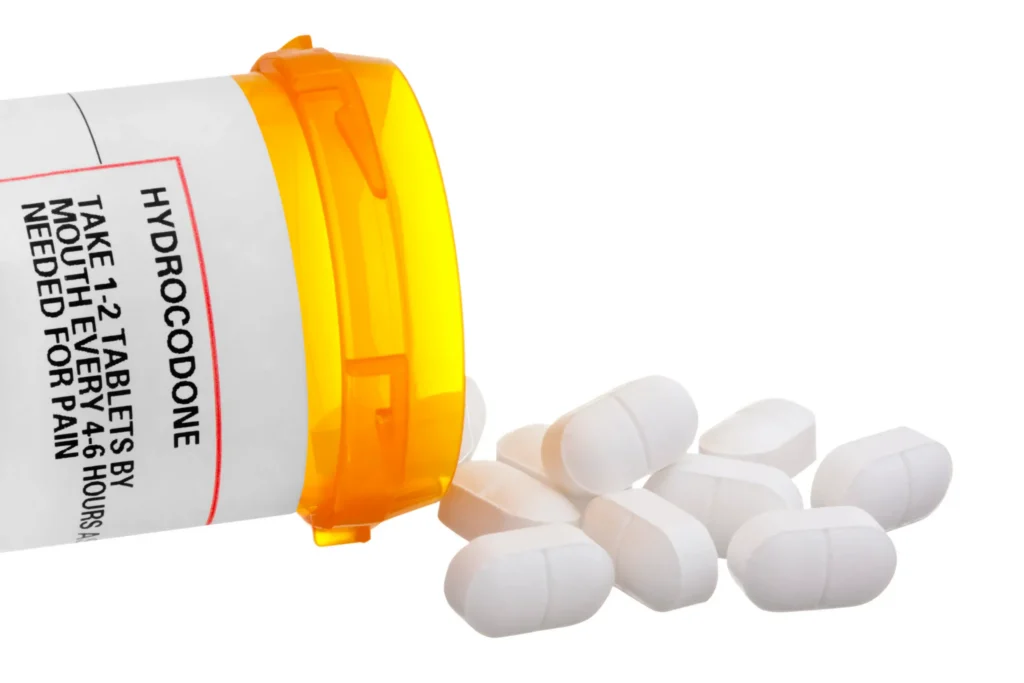
Hydromorphone Addiction Treatment
Hydromorphone is a potent prescription opioid used to manage severe pain. Its potency means that misuse can increase the risk of physical dependence, serious side effects, and overdose.
Hydromorphone addiction treatment may involve clinical assessment, withdrawal support, and therapeutic care to address the physical and behavioral aspects of dependence. The treatment approach should reflect the person’s pattern of use, health history, and individual recovery needs.

Oxymorphone Addiction Treatment
Oxymorphone is a prescription opioid used to treat severe pain. Like other opioid medications, it can lead to tolerance and physical dependence, particularly when misused or taken outside medical instructions.
People experiencing Oxymorphone addiction may struggle with cravings, withdrawal, and unsuccessful attempts to reduce or stop use. Professional addiction treatment can help identify the challenges associated with dependence and determine an appropriate path toward recovery.
Synthetic Opioid Addiction Treatment
Synthetic opioids are manufactured substances that act on opioid receptors. They vary in their medical applications and potency, and some are associated with a particularly high risk of overdose.

Fentanyl Addiction Treatment
Fentanyl is a powerful synthetic opioid used medically for severe pain and anesthesia. Illicitly manufactured fentanyl is also a major public health concern because of its potency and involvement in fatal overdoses.
Fentanyl addiction treatment needs to account for the serious risks associated with fentanyl use, including respiratory depression, overdose, cravings, and physical dependence. Professional care can help individuals address withdrawal concerns and the behavioral factors associated with continued use.

Methadone Addiction Treatment
Methadone is a synthetic opioid used medically for pain management and as a medication for opioid use disorder. Although it has an established medical role, it can also lead to physical dependence and carries risks when misused or taken outside medical supervision.
Methadone addiction treatment requires an understanding of how the medication is being used, whether it is prescribed, and whether problematic use or dependence has developed. An individualized clinical assessment helps determine the appropriate treatment considerations.

Tramadol Addiction Treatment
Tramadol is a prescription medication used to treat moderate to moderately severe pain. It acts on opioid receptors and also affects certain brain chemicals involved in pain regulation.
Misuse or prolonged use can lead to physical dependence, cravings, and withdrawal symptoms. Tramadol addiction treatment can help individuals address medication misuse, understand the factors contributing to continued use, and develop healthier coping strategies.
Nitazenes Addiction Treatment
Nitazenes are a group of synthetic opioids that have appeared in the illicit drug supply. Some Nitazenes are extremely potent and can cause severe respiratory depression and potentially fatal overdose.
Because their potency and presence in illicit substances may be difficult to identify, exposure can carry serious health risks. Nitazenes addiction treatment should take into account potential overdose risks, substance use history, and the person’s medical needs.

Buprenorphine Addiction Treatment
Buprenorphine is a partial opioid agonist used medically to treat opioid use disorder and, in certain formulations, pain. It can help reduce withdrawal symptoms and cravings when prescribed as part of an appropriate treatment plan.
Although Buprenorphine has an established medical role, misuse or use outside medical guidance can still carry risks, including physical dependence. Buprenorphine addiction treatment considerations depend on the person’s medical history, prescription status, and pattern of use.
Signs and Symptoms of Opioid Addiction
Opioid addiction can affect physical health, mental well-being, and everyday behavior. The signs may vary depending on the substance, amount used, frequency of use, and individual health, Recognizing these changes can help someone seek professional addiction treatment before substance use causes further harm.
Physical Signs and Symptoms
- Drowsiness or unusual fatigue
- Constricted or pinpoint pupils
- Slowed breathing
- Nausea and vomiting
- Constipation
- Dizziness or poor coordination
- Itchiness
- Changes in appetite or sleep
- Slurred speech
- Weakness or fainting
Psychological Signs and Symptoms
- Strong cravings or preoccupation with obtaining opioids
- Anxiety or irritability when unable to use
- Changes in mood
- Difficulty concentrating
- Emotional distress
- Feeling unable to function normally without the substance
Behavioral Signs and Symptoms
- Taking more medication than prescribed
- Using opioids without a prescription
- Unsuccessful attempts to reduce or stop use
- Spending significant time obtaining or using substances
- Withdrawing from family and social activities
- Neglecting work or personal responsibilities
- Continuing to use despite negative consequences
The Effects of Opioid Misuse on Physical and Mental Health
Opioid misuse can affect the central nervous system and several important body functions. The potential effects depend on the substance, dosage, route of use, frequency, and whether other drugs or alcohol are involved.
Physical Effects
- Respiratory depression and slowed breathing
- Nausea, vomiting, and constipation
- Drowsiness and dizziness
-
Changes in coordination and alertness
- Physical dependence and withdrawal
- Increased risk of overdose
Psychological and Emotional Effects
- Euphoria and sedation
- Confusion and difficulty concentrating
- Anxiety and mood changes
- Strong cravings
- Emotional and behavioral difficulties
Risks of Combining Opioids With Other Substances
Combining opioids with alcohol, benzodiazepines, sleeping medications, or other central nervous system depressants can increase sedation and respiratory depression. These combinations can be life-threatening and should not be attempted without appropriate medical guidance.
Opioid Overdose: Warning Signs and Emergency Response
An opioid overdose is a medical emergency. Warning signs may include very slow or stopped breathing, inability to wake the person, blue or gray lips and fingertips, and pinpoint pupils.
Call 911 immediately if an overdose is suspected. Administer naloxone if available, follow emergency instructions, and stay with the person until medical help arrives.
Opioid Withdrawal and Addiction Treatment Support
When someone develops physical dependence on opioids, reducing or stopping use can trigger withdrawal. Symptoms and their severity vary depending on the substance, duration of use, amount taken, and individual health.
Common opioid withdrawal symptoms may include:
- Muscle aches and joint pain
- Sweating and chills
- Restlessness and anxiety
- Runny nose and watery eyes
- Insomnia and sleep disturbances
- Nausea, vomiting, and diarrhea
- Abdominal cramps
- Strong cravings
Opioid withdrawal can be difficult to manage without appropriate support. Dehydration and other medical concerns may require attention, while returning to opioid use after a period of abstinence can increase overdose risk because tolerance may have decreased.
A clinical assessment can help determine the appropriate level of care and whether medically supervised detox is recommended.
Opioid & Opiate Addiction Treatment Programs in Los Angeles
At Spark To Recovery, treatment plans are tailored to each person’s substance use, health, and recovery needs. Based on clinical assessment, care may involve different levels of treatment and therapeutic support, including:
- Medically Supervised Detox: Medical monitoring and support during withdrawal and stabilization.
- Residential Addiction Treatment: A structured environment with clinical and therapeutic support throughout recovery.
- Medication-Assisted Treatment (MAT): Appropriate medications combined with counseling and behavioral therapies for eligible individuals, under qualified medical supervision.
Additional therapeutic and wellness services
- Individual Therapy
- Group Therapy
- Family Therapy
- Addiction-Related Medical Care
- Treatment for Co-Occurring Disorders
- Medication Management
- Nutritional Therapy
- Meditation and Exercise
- Life Skills Development
- Relapse Prevention
- Sober Outings
The appropriate combination of services depends on each person’s assessment, clinical needs, and recommended level of care
Why Choose Spark To Recovery for Opioid Addiction Treatment in Los Angeles?
Choosing the right treatment center means finding a team that understands your needs and can help you explore appropriate recovery options. Located in Sherman Oaks, Los Angeles, Spark To Recovery offers:
Personalized Care: Treatment recommendations tailored to each person’s circumstances and recovery goals.
Experienced Clinical Support: Guidance from a team that understands the challenges of substance use disorder.
Insurance Assistance: Help verifying benefits and understanding available coverage through accepted insurance providers.
Convenient Los Angeles Location: A Sherman Oaks location serving individuals and families across the surrounding Los Angeles area.

Does Insurance Cover Opioid Addiction Treatment in Los Angeles?
Insurance coverage for opioid and opiate addiction treatment depends on your individual policy, benefits, and the level of care approved by your insurer.
Spark To Recovery works with major insurance carriers, including Aetna, Blue Shield of California, and Health Net. Coverage varies by policy and treatment requirements.
Contact our admissions team for confidential insurance verification. We can help review your benefits and explain the next steps.
Start Your Recovery Journey With Spark To Recovery
Opioid and opiate addiction can affect your health, relationships, and future, but professional support can help you take the next step.
Whether you are looking for help with Opium, Morphine, Codeine, Heroin, Fentanyl, or another opioid substance, Spark To Recovery can help you explore treatment options in Los Angeles.
Contact our team to discuss your situation, learn about available programs, and verify your insurance benefits.
