
⚠️Visitors to our site are often searching for information because they, their best friend, or a family member has unfortunately fallen into use of dangerous substances. We aim to provide educational information on Alcohol and Breastfeeding but more importantly, we protect people from the dangers of all forms of substance abuse! ⚠️
Call our admissions department at (855) 855-6544 or verify your insurance here to get immediate substance abuse help for yourself or a loved one.
Introduction
Motherhood arrives with countless questions, yet few generate as much anxiety as the intersection of alcohol consumption and breastfeeding. For women in recovery or those who occasionally drink, understanding how alcohol interacts with breast milk becomes not just a matter of curiosity—it transforms into a critical health decision affecting both mother and child. The cultural narratives surrounding this topic often swing between extremes, leaving many mothers caught in a web of conflicting advice and outdated myths. However, the science tells a more nuanced story, one that empowers you to make informed choices grounded in research rather than fear. Throughout this guide, we’ll navigate the complexities of alcohol and breastfeeding, examining everything from metabolism rates to safety protocols, ensuring you have the knowledge needed to prioritize your baby’s health while managing your own wellness journey.
Does Alcohol Get Into Breast Milk?
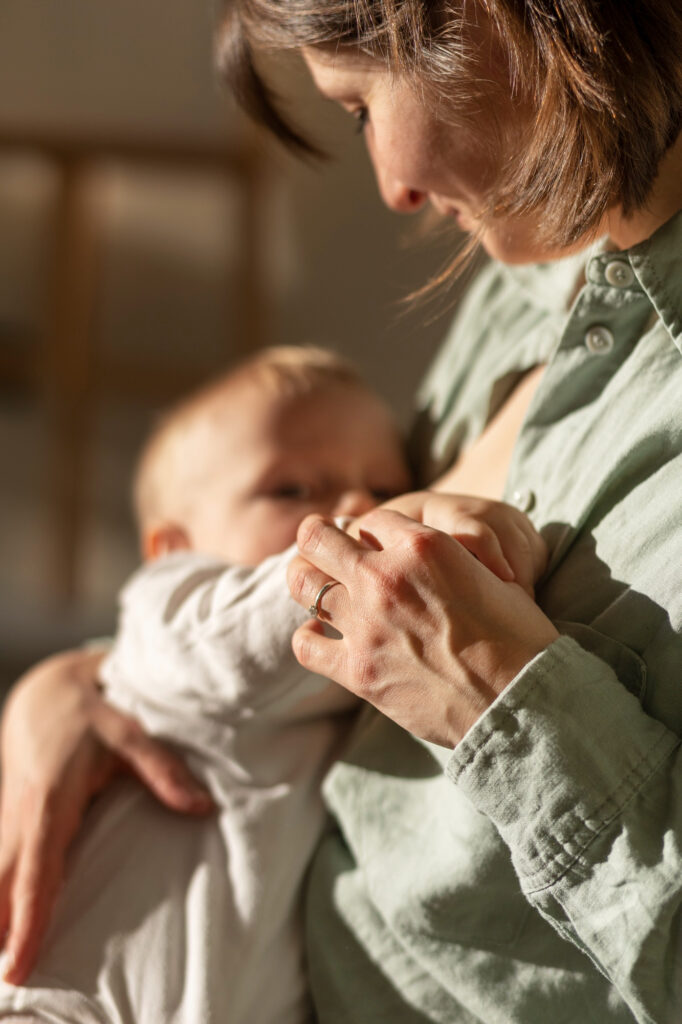
The short answer is yes—alcohol does transfer into breast milk, though perhaps not in the way you might imagine. Consequently, understanding this mechanism becomes essential for every nursing mother. When you consume alcohol, it enters your bloodstream and subsequently passes into your breast milk through a process of diffusion. The concentration of alcohol in your breast milk closely mirrors the alcohol level in your blood, creating what researchers call a parallel relationship.
Moreover, this transfer happens relatively quickly. Within 30 to 60 minutes of drinking on an empty stomach, alcohol reaches peak levels in your breast milk. Interestingly, if you’ve eaten before drinking, this timeline extends to approximately 60 to 90 minutes. Unlike nutrients that your body actively secretes into milk, alcohol simply moves freely between blood and breast milk compartments until equilibrium occurs.
Furthermore, the alcohol doesn’t accumulate or concentrate in breast milk beyond blood levels. As your body metabolizes the alcohol in your bloodstream, the concentration in your milk naturally decreases in tandem. Therefore, the old advice to “pump and dump” after drinking doesn’t actually speed up alcohol elimination—it simply wastes precious breast milk without accelerating the clearance process.
How Much Alcohol Gets Into Breast Milk?
The percentage of alcohol that transfers into breast milk might surprise you. Research indicates that approximately 5-6% of the maternal dose reaches the infant through breast milk. While this percentage seems modest, context matters significantly when considering infant safety.
Additionally, several factors influence these levels:
| Factor | Impact on Alcohol Transfer |
| Maternal Weight | Heavier mothers metabolize alcohol faster |
| Time Since Drinking | Longer intervals result in lower milk concentration |
| Amount Consumed | More drinks equal higher and longer-lasting levels |
| Food Consumption | Eating slows absorption into bloodstream |
| Individual Metabolism | Genetic factors affect processing speed |
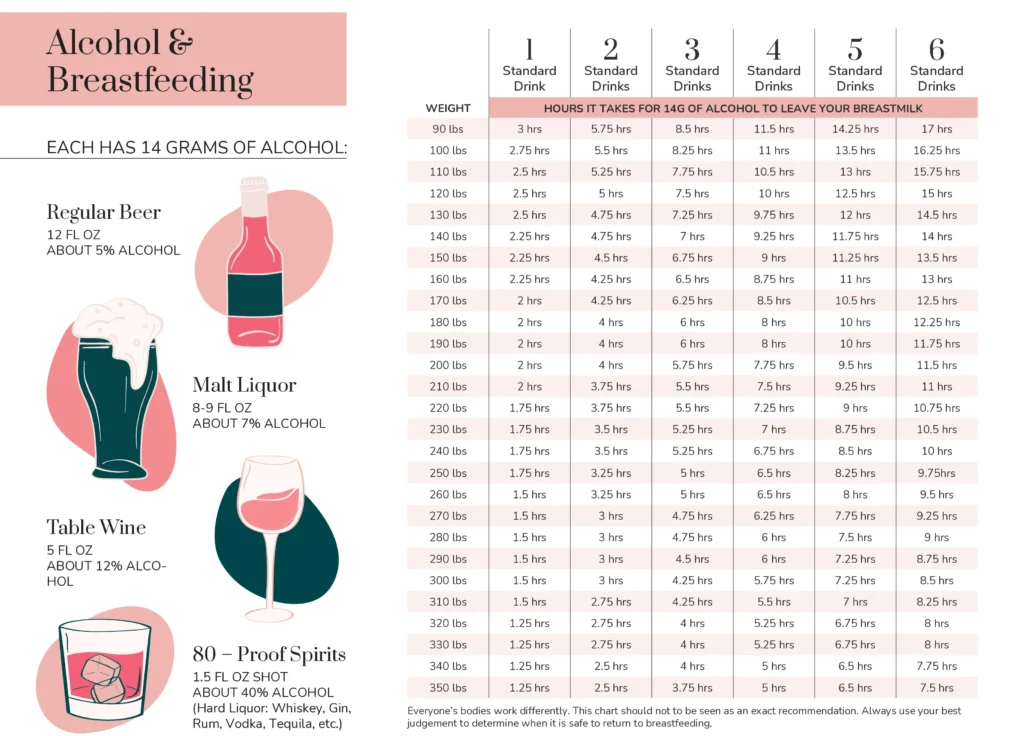
Consequently, a 130-pound woman drinking two standard drinks may have detectable alcohol in her breast milk for 4-5 hours. In contrast, a 180-pound woman consuming the same amount might clear the alcohol in 3-4 hours. These variations underscore why blanket recommendations often fall short of providing personalized guidance.
Can I Breastfeed After One Drink?
Many health organizations, including the Centers for Disease Control and Prevention, acknowledge that moderate alcohol consumption—defined as one standard drink—is generally considered compatible with breastfeeding when approached thoughtfully. Nevertheless, timing becomes the critical variable in this equation.
If you choose to have one drink, planning ahead makes all the difference. Ideally, you should breastfeed your baby immediately before drinking, then wait approximately 2-3 hours before nursing again. During this window, your body metabolizes the alcohol, reducing the concentration in your breast milk to minimal or negligible levels.
However, every mother’s situation differs. For women in early recovery from alcohol use disorder, even one drink may pose significant relapse risks. At Spark To Recovery, we understand that the journey through addiction recovery involves navigating countless challenging decisions. Therefore, we encourage open conversations with your healthcare provider and addiction counselor before reintroducing any alcohol into your life, regardless of breastfeeding considerations.
How Long After Drinking Can I Breastfeed?
The timing question dominates discussions about alcohol and breastfeeding, and rightfully so. Generally speaking, most experts recommend waiting 2-3 hours per drink before resuming breastfeeding. This guideline assumes you’re consuming standard drinks—specifically, 12 ounces of beer (5% alcohol), 5 ounces of wine (12% alcohol), or 1.5 ounces of distilled spirits (40% alcohol).

Nonetheless, multiple drinks require extended waiting periods:
- One drink: 2-3 hours
- Two drinks: 4-5 hours
- Three drinks: 6-8 hours
- Four or more drinks: 10+ hours
Furthermore, these estimates represent averages for a 140-pound woman. Smaller women need more time, while larger women may metabolize alcohol slightly faster. Calculator tools exist online to help estimate your specific clearance time, though they should serve as guides rather than guarantees.
Importantly, pumping before your waiting period ends doesn’t accelerate this timeline. Instead, focus on feeding your baby before drinking or having previously pumped milk available for the waiting period. This proactive approach ensures your infant receives nourishment without exposure to alcohol.
How Long To Wait To Breastfeed After Drinking?
Beyond the basic waiting periods mentioned earlier, several practical strategies help nursing mothers navigate social drinking situations safely. First and foremost, preparation proves invaluable. If you know you’ll be drinking at an evening event, pump and store breast milk earlier in the day, creating a reserve supply for nighttime feedings.
Additionally, consider your baby’s feeding schedule carefully. Newborns eat every 2-3 hours, making alcohol consumption particularly challenging during those early months. Conversely, older infants with more predictable eating patterns and longer stretches between feedings offer greater flexibility.
Moreover, staying hydrated doesn’t speed up alcohol metabolism—that’s another persistent myth. Your liver processes alcohol at a fixed rate, roughly one standard drink per hour, regardless of how much water you consume. Nevertheless, hydration supports overall health and helps prevent dehydration, which alcohol can exacerbate.
Does Alcohol Affect Breast Milk Supply?
Research suggests alcohol can indeed impact milk production, though the mechanism might surprise you. Contrary to old folklore claiming beer increases milk supply, studies demonstrate that alcohol actually inhibits the release of oxytocin, the hormone responsible for milk letdown. Consequently, while your breasts may still produce milk, the baby might struggle to access it efficiently.

Furthermore, one study found that babies consumed approximately 20% less milk during the 3-4 hours following maternal alcohol consumption, even though the mothers didn’t report feeling any reduction in supply. This discrepancy occurs because the letdown reflex weakens, making it harder for infants to extract milk despite adequate production.
Over time, regular alcohol consumption may diminish overall milk production. If you’re struggling with milk supply issues and regularly consuming alcohol, discussing this connection with a lactation consultant becomes essential. For mothers in recovery from alcohol addiction, this represents another compelling reason to maintain sobriety during the breastfeeding period.
What Happens If You Breastfeed Drunk?
Breastfeeding while intoxicated poses serious risks that extend beyond the alcohol content in your milk. First, alcohol impairs your judgment, coordination, and reflexes, increasing the likelihood of accidents while handling your baby. Dropping an infant, falling asleep in unsafe co-sleeping positions, or failing to properly support the baby’s head during feeding all become more probable when you’re impaired.
Additionally, babies exposed to alcohol through breast milk may exhibit several concerning behaviors:
- Increased drowsiness and sleep disturbances
- Unusual fussiness or irritability
- Weakened sucking reflex
- Changes in sleep-wake patterns
- Reduced motor development over time with regular exposure
More importantly, chronic exposure to alcohol through breast milk has been linked to developmental delays in motor skills, though more research continues in this area. While one instance of nursing after drinking likely won’t cause lasting harm, establishing a pattern of drinking and breastfeeding creates cumulative risks that grow over time.
For mothers battling alcohol addiction, the temptation to rationalize “just one drink” can escalate quickly. At Spark To Recovery, we’ve seen how this slippery slope affects families. If you find yourself drinking more frequently than planned or unable to wait the recommended timeframes before nursing, reaching out for professional support becomes crucial.
Signs Of Alcohol In Breastfed Baby
Recognizing whether your baby has been affected by alcohol exposure through breast milk requires careful observation. While many babies show no obvious signs after minimal exposure, some indicators warrant attention:
Immediate Signs (within hours of feeding):
- Excessive drowsiness or difficulty waking for feedings
- Weak sucking or disinterest in nursing
- Unusual agitation or fussiness
- Changes in sleep patterns
- Body weakness or floppiness
Longer-Term Concerns (with repeated exposure):
- Slower weight gain than expected
- Developmental delays in motor skills
- Disrupted sleep patterns persisting beyond typical infant stages
- Decreased overall milk intake
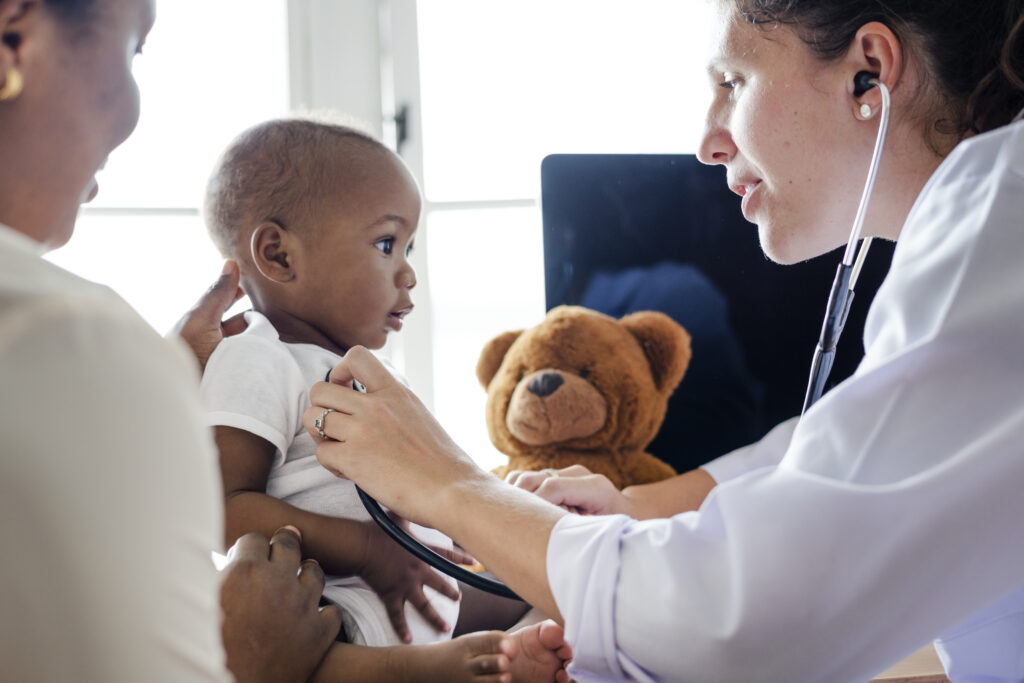
If you notice any of these signs after consuming alcohol, contact your pediatrician immediately. Transparency about your alcohol consumption helps your doctor provide accurate guidance and appropriate monitoring. Remember, seeking help demonstrates strength and commitment to your child’s wellbeing, not weakness or failure as a mother.
Frequently Asked Questions
Alcohol remains in breast milk for as long as it stays in your bloodstream. Generally, your body metabolizes one standard drink in approximately 2-3 hours. Therefore, two drinks take 4-5 hours to clear completely, three drinks require 6-8 hours, and so forth. Unlike stored breast milk that can spoil, the alcohol in fresh breast milk naturally decreases as your blood alcohol level drops—no pumping required.
No, pumping and dumping after drinking doesn’t actually accelerate alcohol elimination from your system or milk. Alcohol leaves your breast milk as your body metabolizes it from your bloodstream. However, you might choose to pump and discard milk for comfort if you’re engorged during your waiting period, but it won’t speed up the process of becoming safe to nurse.
According to major health organizations including the CDC and American Academy of Pediatrics, occasional moderate drinking is generally considered compatible with breastfeeding when done carefully. The key involves timing—waiting 2-3 hours per drink before nursing. However, for mothers in recovery from alcohol addiction, abstinence remains the safest recommendation for both sobriety maintenance and infant health.
Research shows that moderate, occasional alcohol exposure through breast milk typically doesn’t cause significant harm. However, regular or heavy alcohol consumption can lead to developmental concerns, sleep disturbances, and reduced milk intake. Additionally, impaired maternal judgment while intoxicated poses physical safety risks when caring for an infant.
Online breastfeeding and alcohol calculators estimate clearance times based on your weight, number of drinks, and time elapsed. While these tools provide helpful guidelines, they shouldn’t replace medical advice. Variables like individual metabolism, food consumption, and drink strength affect actual clearance times. Use calculators as starting points, but always err on the side of caution.
Making Informed Decisions for You and Your Baby
Navigating alcohol and breastfeeding ultimately requires balancing honest self-assessment with your baby’s needs. For some mothers, an occasional glass of wine represents a sustainable approach to maintaining social connections while nursing. For others—particularly those in recovery from alcohol use disorder—complete abstinence provides the only safe path forward.
The journey through early motherhood already demands so much. Adding the complexity of alcohol considerations shouldn’t leave you feeling overwhelmed or judged. Instead, armed with accurate information, you can make choices aligned with your unique circumstances, health history, and values.
At Spark To Recovery, we recognize that addiction doesn’t pause for major life events like pregnancy or new motherhood. In fact, these transitions often intensify struggles with substance use. Our comprehensive treatment programs support mothers at every stage of recovery, offering specialized care that acknowledges the unique challenges of parenting while healing from addiction.
Whether you’re questioning your relationship with alcohol for the first time or you’re a mother in active recovery navigating breastfeeding decisions, professional guidance makes all the difference. Your healthcare provider, lactation consultant, and addiction counselor form a support team capable of helping you create a plan that protects both you and your baby.
Conclusion

The truth about alcohol and breastfeeding resists simple soundbites or universal rules. Instead, it demands nuanced understanding of how alcohol interacts with your body, transfers to breast milk, and potentially affects your infant. While moderate, occasional drinking may be compatible with breastfeeding for some women, the decision requires careful consideration of timing, quantity, and personal health history.
For mothers in recovery or those struggling with alcohol dependence, the stakes rise considerably. Beyond concerns about alcohol in breast milk, maintaining sobriety protects your ability to provide safe, attentive care while nurturing your own wellness. These aren’t competing priorities—they’re interconnected aspects of healthy motherhood.
If you’re questioning your alcohol use or feeling overwhelmed by the challenges of early motherhood, reaching out for support demonstrates courage, not weakness. Your story matters, your recovery matters, and your baby needs the healthiest version of you. Together, we can navigate these complex decisions with compassion, evidence-based guidance, and unwavering support for your family’s future.
Sources
[1] Centers for Disease Control and Prevention. (2024). Alcohol and Breastfeeding. CDC Breastfeeding Special Circumstances. https://www.cdc.gov/breastfeeding-special-circumstances/hcp/vaccine-medication-drugs/alcohol.html
[2] Mayo Clinic Staff. (2024). Breast-feeding and alcohol: Is it OK to drink? Mayo Clinic Expert Answers. https://www.mayoclinic.org/healthy-lifestyle/infant-and-toddler-health/expert-answers/breast-feeding-and-alcohol/faq-20057985
[3] Goldman, R. (2023). Alcohol and Breastfeeding: What You Need to Know. Cleveland Clinic Health Essentials. https://health.clevelandclinic.org/alcohol-and-breastfeeding
[4] National Health Service. (2024). Breastfeeding and Alcohol. NHS Baby and Toddler Health. https://www.nhs.uk/baby/breastfeeding-and-bottle-feeding/breastfeeding-and-lifestyle/alcohol
[5] La Leche League UK. (2024). Alcohol and Breastfeeding. La Leche League Information Resources. https://laleche.org.uk/alcohol-and-breastfeeding
[6] Haastrup, M. B., Pottegård, A., & Damkier, P. (2014). Alcohol and Breastfeeding. National Center for Biotechnology Information, U.S. National Library of Medicine. https://www.ncbi.nlm.nih.gov/books/NBK501469

Laura A. Fierro, Ph.D., LMFT
Board-Certified Physician in Internal Medicine