⚠️Visitors to our site are often searching for information because they, their best friend, or a family member has unfortunately fallen into use of dangerous substances. If you or a loved one has fallen ill to substance abuse, we protect people from the dangers and provide medically assisted treatment to encourage lasting recovery! ⚠️
Call our admissions department at (855) 855-6544 or verify your insurance here to get immediate substance abuse help for yourself or a loved one.
Introduction
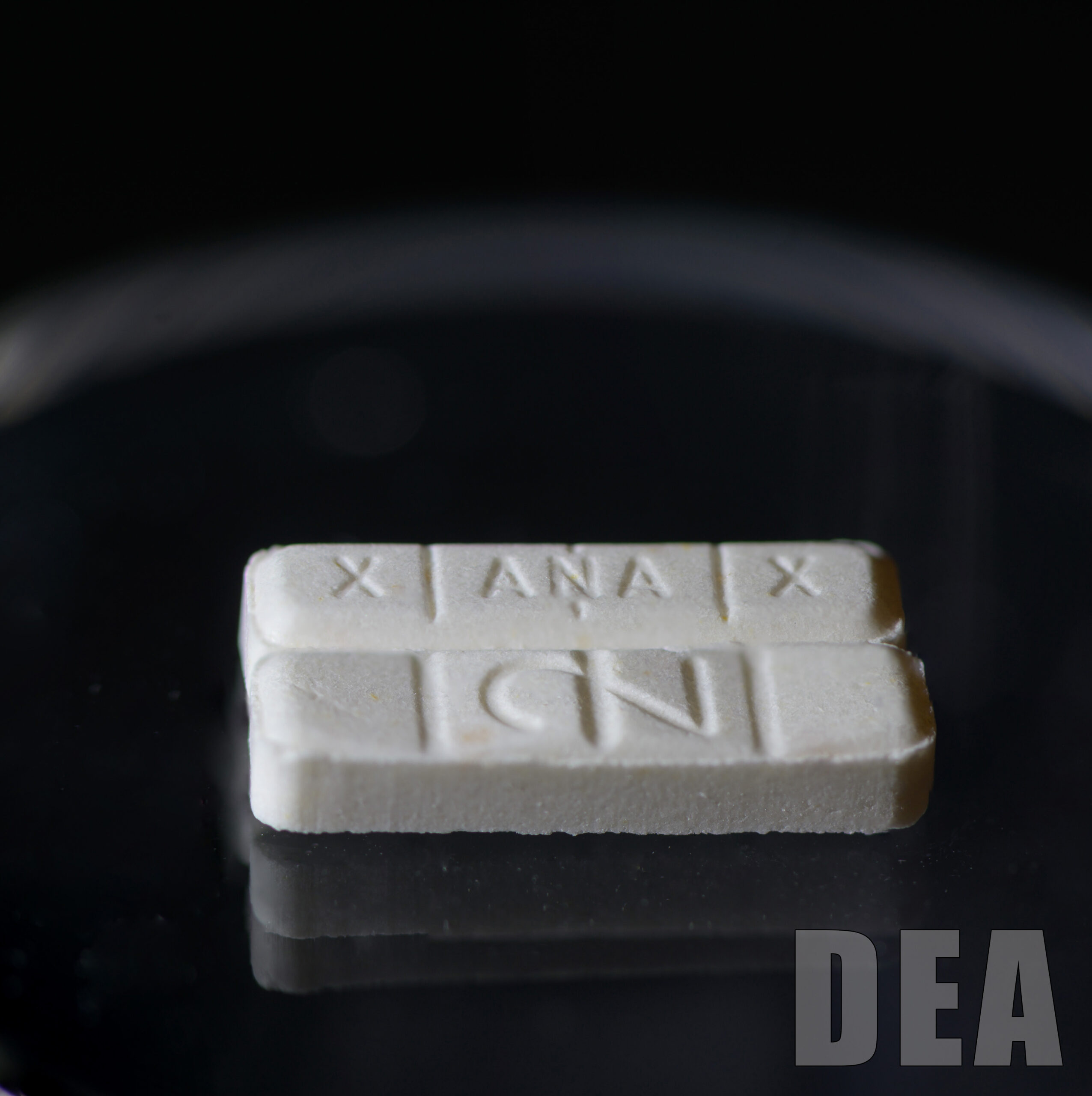
When you hear “molly” at a party or spot those colorful pills making rounds, the question naturally arises—can you od on mdma? The truth is more nuanced than a simple yes or no, and understanding that complexity could quite literally save a life. Moreover, MDMA overdose represents a very real and potentially fatal medical emergency that far too many people dismiss as an impossibility. Whether you call it ecstasy, molly, or MDMA, this synthetic stimulant carries serious risks that deserve your undivided attention and respect.
Can You Overdose on MDMA?
The straightforward answer is yes—can you od on mdma? Absolutely. Furthermore, ecstasy overdose occurs more frequently than most recreational users realize. MDMA, chemically known as 3,4-methylenedioxymethamphetamine, overwhelms your body’s natural regulatory systems when consumed in excessive quantities. Consequently, your brain floods with serotonin, dopamine, and norepinephrine at dangerous levels that your system simply cannot process safely. [1]
Unlike what you might see portrayed in movies, molly overdose doesn’t always follow a predictable pattern. Additionally, the risk intensifies because street ecstasy rarely contains pure MDMA. Instead, dealers often cut it with methamphetamine, cocaine, ketamine, or synthetic cathinones—substances that dramatically amplify overdose potential. Therefore, asking “can you od on mdma” becomes even more critical when you consider these unpredictable adulterants lurking in seemingly innocent tablets.
The physiological cascade triggered by MDMA overdose affects multiple organ systems simultaneously. Notably, your cardiovascular system experiences extreme stress, while your body temperature regulation fails completely. As a result, users face a medical emergency that requires immediate intervention and professional care.
How Much Molly Does It Take to Overdose?
Here’s where things get genuinely terrifying—there’s no universal threshold for how much molly it takes to overdose. Consequently, the fatal dose varies wildly based on your unique physiology, tolerance, and the purity of what you’ve consumed. Nevertheless, research suggests that doses exceeding 100-125 mg can produce toxic effects, while anything beyond 200-300 mg enters dangerous territory. [2]
However, several critical factors influence whether you’ll experience a molly overdose:
Individual Variability: Your genetics play a massive role in how your body metabolizes MDMA. Similarly, some people possess enzyme variations that slow MDMA breakdown, causing it to accumulate to toxic levels even at seemingly moderate doses. Therefore, what feels safe for one person might prove fatal for another—essentially making every use a pharmacological gamble.
Purity and Adulterants: Street ecstasy typically contains between 50-150 mg of actual MDMA, though tablets have been found with over 300 mg. Moreover, when dealers cut pills with other stimulants like methamphetamine, the combined effects dramatically lower the overdose threshold. Consequently, you’re essentially playing Russian roulette with your neurochemistry every single time.
Redosing Patterns: Many users commit the critical error of taking more when they don’t feel immediate effects. Subsequently, this stacking behavior leads to accumulation and overdose. Additionally, MDMA’s effects can take 45-60 minutes to fully manifest, creating a dangerous window where impatient users consume excessive amounts.
| Factor | Influence on Overdose Risk |
| Body Weight | Lower weights = higher concentration |
| Hydration Status | Dehydration increases toxicity |
| Existing Health Conditions | Heart or liver issues amplify risk |
| Mixing with Alcohol | Significantly increases danger |
| Environmental Temperature | Heat exposure multiplies effects |
Ecstasy (Molly) Overdose Symptoms
Recognizing the signs of ecstasy overdose could mean the difference between life and death. Initially, symptoms might seem like an intense high, but they rapidly deteriorate into medical emergency territory. Moreover, understanding these warning signs empowers you to act swiftly when someone needs help.
Physical Symptoms:
- Dramatically elevated body temperature (hyperthermia), often exceeding 105°F
- Profuse sweating or, conversely, inability to sweat
- Rapid, irregular heartbeat that feels like your chest might explode
- Severe muscle cramping and jaw clenching
- Dangerously high blood pressure
- Seizures or convulsions
- Difficulty breathing or respiratory distress
Neurological and Psychological Signs:
- Extreme confusion and disorientation
- Severe anxiety transitioning into panic attacks
- Hallucinations or paranoid delusions
- Loss of consciousness
- Uncontrollable tremors
Additionally, mdma overdose symptoms often include what medical professionals call “serotonin syndrome”—a potentially fatal condition characterized by agitation, high fever, rapid heart rate, and neuromuscular abnormalities. [3] Furthermore, this syndrome can progress frighteningly fast, leaving little time for intervention.
The progression typically follows this pattern: First, you notice enhanced effects that feel euphoric. Subsequently, discomfort sets in with anxiety and physical tension. Finally, the situation spirals into full medical emergency with life-threatening complications. Therefore, recognizing these stages early gives you the best chance of preventing tragedy.

Ecstasy Overdose Risk Factors
Not everyone faces equal risk when it comes to molly overdose. Nevertheless, certain circumstances and behaviors dramatically increase your vulnerability to dangerous reactions. Moreover, understanding these risk factors helps you make more informed decisions about your health and safety.
Environmental Factors: Rave environments, music festivals, and crowded clubs create perfect storms for ecstasy overdose. Specifically, high temperatures combined with intense physical activity (dancing for hours) and inadequate hydration multiply MDMA’s toxic effects exponentially. Additionally, these settings often encourage repeated dosing and mixing substances—practices that push your body beyond its limits.
Polydrug Use: Combining MDMA with alcohol represents one of the most dangerous scenarios. Similarly, mixing molly and alcohol places enormous strain on your liver, which must simultaneously process multiple toxic substances. Furthermore, alcohol dehydrates you while MDMA increases body temperature—a combination that can rapidly lead to organ failure. [4]
Underlying Health Conditions: If you have cardiovascular issues, liver disease, or kidney problems, your risk of serious complications increases dramatically. Consequently, MDMA’s stimulant effects can trigger heart attacks, strokes, or complete organ failure in vulnerable individuals. Additionally, mental health conditions like anxiety or depression intensify MDMA’s psychological effects.
Previous Use Patterns: Chronic ecstasy users often develop tolerance, leading them to consume larger doses to achieve desired effects. However, this tolerance doesn’t extend equally to all of MDMA’s effects—meaning while euphoria requires more drug, toxic effects occur at the same thresholds. Therefore, experienced users sometimes face higher overdose risk than novices.
Is an Ecstasy Overdose Fatal?
Can you OD on MDMA fatally? Unfortunately, yes. While not every overdose results in death, ecstasy overdose can absolutely prove fatal under the right (or rather, wrong) circumstances. Moreover, MDMA-related deaths have been steadily climbing in recent years, with many cases involving young adults who believed they were consuming safe recreational doses. [5]
The primary causes of death from molly overdose include:
- Hyperthermia: Your body temperature soars beyond what your organs can survive. Consequently, proteins begin to denature, cellular structures break down, and multiple organ failure ensues. Additionally, this process can occur surprisingly quickly—sometimes within just a few hours of consumption.
- Cardiac Complications: MDMA’s stimulant properties push your cardiovascular system into overdrive. Subsequently, heart attacks, arrhythmias, and strokes become genuine possibilities, particularly in individuals with undiagnosed heart conditions. Furthermore, the combination of elevated heart rate and blood pressure creates conditions ripe for catastrophic cardiovascular events.
- Hyponatremia: Ironically, drinking too much water in response to MDMA use can prove fatal. Specifically, excessive fluid intake combined with MDMA’s effect on antidiuretic hormone leads to dangerous sodium dilution. As a result, brain swelling occurs, potentially causing seizures, coma, and death.
- Serotonin Syndrome: This condition develops when serotonin levels become toxic. Moreover, it can rapidly progress from uncomfortable symptoms to life-threatening complications requiring intensive care. Consequently, without immediate medical intervention, serotonin syndrome carries a significant mortality risk.
Statistics reveal that while death rates remain relatively low compared to other drugs, the unpredictability of ecstasy makes every use potentially fatal. Additionally, the delayed onset of symptoms means people often fail to connect their deteriorating condition with MDMA use until it’s too late.
What to Do if Someone is Overdosing on Ecstasy
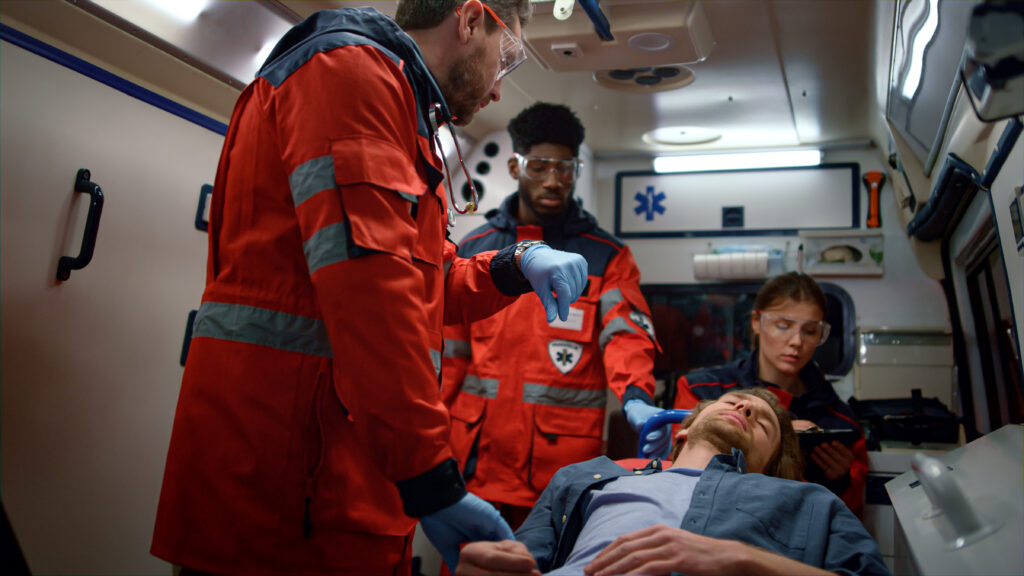
When you suspect someone is experiencing signs of ecstasy overdose, every second counts. Therefore, knowing how to respond appropriately could literally save that person’s life. Moreover, hesitation due to legal concerns or fear shouldn’t prevent you from seeking help—most states have Good Samaritan laws protecting those who call for emergency assistance.
Immediate Actions:
- Call 911 Immediately: Don’t wait to see if symptoms improve. Furthermore, be honest with emergency responders about what substances were consumed—they’re not law enforcement, and accurate information helps them provide appropriate treatment.
- Move to a Cool Environment: If overheating appears to be an issue, relocate the person to a cooler area. Additionally, remove excess clothing and apply cool (not ice-cold) compresses to help lower body temperature. However, avoid ice baths, which can cause dangerous rapid temperature drops.
- Monitor Vital Signs: Check breathing and pulse regularly. Subsequently, if breathing stops or becomes severely labored, prepare to perform CPR. Moreover, place the person in the recovery position (on their side) to prevent choking if vomiting occurs.
- Prevent Further Harm: Keep the person calm and still if possible. Additionally, don’t give them more substances, medications, or excessive amounts of water. Furthermore, stay with them until professional help arrives—never leave someone experiencing overdose symptoms alone.
- Provide Information to Medical Personnel: Tell emergency responders exactly what was consumed, how much, when, and what symptoms you’ve observed. Consequently, this information enables them to provide targeted, effective treatment that addresses the specific overdose scenario.
What NOT to Do:
- Never put the person in a cold bath or shower
- Don’t try to make them vomit
- Avoid giving them medications or supplements
- Don’t feed them or force excessive water consumption
Remember, can you od on mdma? Yes, and professional medical intervention remains the only truly safe response. Moreover, attempting home remedies or “sleeping it off” can prove fatal when someone needs emergency care.
Treating Ecstasy Misuse
Beyond addressing acute mdma overdose situations, comprehensive treatment for ecstasy misuse addresses the underlying patterns that lead to dangerous use. Moreover, while many people believe MDMA isn’t physically addictive, psychological dependence develops more frequently than most realize. Consequently, professional treatment becomes essential for breaking the cycle of use.
Detoxification: Although MDMA doesn’t typically require intensive medical detox like alcohol or opioids, mdma withdrawal can produce uncomfortable symptoms including depression, anxiety, fatigue, and difficulty concentrating. Therefore, medically supervised detox provides support and monitoring during this challenging period. Additionally, professionals can address any complications that arise during withdrawal.
Behavioral Therapies: Evidence-based treatments like Cognitive Behavioral Therapy (CBT) and Dialectical Behavioral Therapy (DBT) help you understand the psychological factors driving your substance use. Furthermore, these approaches teach you practical coping strategies for managing triggers and cravings. Consequently, you develop healthier ways to achieve the connection and euphoria you previously sought through MDMA.
Dual Diagnosis Treatment: Many people who struggle with ecstasy addiction also battle co-occurring mental health conditions like depression or anxiety. Therefore, comprehensive care addresses both substance use and underlying psychiatric issues simultaneously. Moreover, treating only addiction while ignoring mental health concerns virtually guarantees relapse.
Group Therapy and Support: Connecting with others who understand your struggle provides invaluable support. Similarly, group settings offer opportunities to learn from others’ experiences and share your own insights. Additionally, the accountability inherent in group therapy helps maintain motivation during challenging recovery periods.
Holistic Approaches: Complementary therapies like yoga therapy, meditation, art therapy, and nutritional counseling address recovery from multiple angles. Furthermore, these modalities help rebuild the physical and emotional health that substance misuse has compromised. Consequently, you emerge not just sober, but genuinely healthier overall.

Find Treatment Options With Spark To Recovery
When you’re ready to address MDMA use, whether your own or a loved one’s, Spark To Recovery offers comprehensive, compassionate care tailored to your unique needs. Moreover, our Los Angeles-based facility provides the perfect environment for healing—combining luxury accommodations with evidence-based treatment protocols that actually work.
Our approach recognizes that asking “can you od on mdma” often comes from a place of concern and readiness for change. Therefore, we’ve designed programs that meet you wherever you are in your recovery journey. Additionally, our caring staff understands addiction intimately because many have walked similar paths themselves.
Our Comprehensive Services Include:
- Medically-assisted detox programs with 24/7 supervision
- Residential treatment in comfortable, home-like settings
- Individual therapy sessions with experienced clinicians
- Group therapy focusing on peer support and shared healing
- Dual diagnosis treatment for co-occurring mental health conditions
- Family therapy to rebuild damaged relationships
- Alternative therapies including yoga, meditation, and art therapy
- Continuing care planning to support long-term sobriety
Furthermore, we accept most major insurance plans, making quality treatment accessible when you need it most. Consequently, financial concerns shouldn’t prevent you from getting the help you deserve. Moreover, our admissions team works with you to verify your benefits and explore all available options.
Recovery from ecstasy misuse isn’t just about stopping use—it’s about building a life so fulfilling that substances lose their appeal entirely. Subsequently, our holistic approach addresses every aspect of your wellbeing: physical health, mental wellness, emotional resilience, and spiritual growth.
Don’t wait for a catastrophic mdma overdose to force your hand. Instead, contact us today at (855) 608-2069 to begin your journey toward lasting recovery. Additionally, our compassionate admissions specialists are available 24/7 to answer your questions and help you take that crucial first step. Therefore, whether you’re seeking treatment for yourself or someone you love, reaching out today could be the decision that changes everything.
Your story doesn’t have to end with ecstasy addiction. Moreover, with professional support and evidence-based treatment, you can reclaim your life and build the future you deserve. Consequently, let Spark To Recovery guide you from the darkness of addiction into the light of sustained recovery. Remember—recovery is possible, healing is real, and you don’t have to face this journey alone.
Frequently Asked Questions
Q1: How long does molly stay in your system? MDMA typically remains detectable in urine for 3-4 days after use, though chronic users may test positive for up to a week. Additionally, hair follicle tests can detect ecstasy use for up to 90 days. However, the duration varies based on metabolism, frequency of use, and individual physiology.
Q2: Is MDMA addictive? While MDMA doesn’t typically cause severe physical dependence like opioids, it absolutely creates psychological addiction. Moreover, users often chase the initial euphoric experiences, leading to escalating use patterns. Consequently, many people find themselves unable to stop despite negative consequences—the hallmark of addiction.
Q3: Can you mix molly and alcohol safely? No—mixing molly and alcohol represents an extremely dangerous combination. Furthermore, both substances dehydrate you while placing enormous strain on your liver. Additionally, alcohol can mask MDMA’s effects, leading users to consume more than intended. Therefore, this combination significantly increases overdose risk.
Q4: What are the long-term effects of ecstasy use? Chronic MDMA use damages serotonin-producing neurons, potentially causing lasting cognitive impairments, memory problems, and depression. Moreover, users may experience persistent anxiety, sleep disturbances, and difficulty experiencing pleasure naturally. Consequently, the temporary euphoria comes at a steep long-term cost.
Q5: How can I tell if molly is pure or cut with other substances? Unfortunately, you cannot reliably determine purity without laboratory testing. However, test kits available online can identify some common adulterants. Nevertheless, even “tested” substances pose risks since kits cannot detect every possible contaminant. Therefore, the only truly safe approach is avoiding use entirely.
Sources
[1] Kalant, H. (2001). The pharmacology and toxicology of “ecstasy” (MDMA) and related drugs. CMAJ: Canadian Medical Association Journal, 165(7), 917-928. – https://pmc.ncbi.nlm.nih.gov/articles/PMC2807764/
[2] Liechti, M. E. (2022). Modern Clinical Research on MDMA. Neuropsychopharmacology, 47(9), 1650-1658. – https://pubmed.ncbi.nlm.nih.gov/35635429/
[3] Centers for Disease Control and Prevention. (2010). Emergency Department Visits After Use of a Drug Sold as “Bath Salts.” MMWR Morbidity and Mortality Weekly Report, 59(22), 705-709. – https://www.cdc.gov/mmwr/preview/mmwrhtml/mm5922a1.htm
[4] U.S. Department of Veterans Affairs. (2018). MDMA (Ecstasy) Information Sheet for Behavioral Health Providers. VA Integrative Health. – https://www.mirecc.va.gov/cih-visn2/Documents/Provider_Education_Handouts/MDMA-Ecstasy_Information_Sheet_for_BHPs.pdf
[5] Better Health Channel. (2023). MDMA (Ecstasy). Victorian Government Department of Health. – https://www.betterhealth.vic.gov.au/health/healthyliving/mdma-ecstasy

Laura A. Fierro, Ph.D., LMFT
Board-Certified Physician in Internal Medicine