
⚠️Visitors to our site are often searching for information because they, their best friend, or a family member has unfortunately fallen into the use of dangerous substances. If you or a loved one has fallen victim to substance abuse, we protect people from the dangers and provide medically assisted treatment to encourage lasting recovery! ⚠️
Call our admissions department at (855) 855-6544 or verify your insurance here to get immediate substance abuse help for yourself or a loved one.
TL;DR
Fentanyl has changed the risk profile of opioid use in Los Angeles.
A person may knowingly use fentanyl, develop dependence after repeated opioid use, or encounter illicitly manufactured fentanyl without realizing it is present in another drug or counterfeit pill. Because fentanyl is highly potent and frequently appears in the illicit drug supply, the difference between continued use and a fatal overdose can be dangerously small.
Los Angeles County has made meaningful progress in reducing overdose deaths. County health officials reported that accidental drug overdose and poisoning deaths fell again in 2025, including a 10% reduction in fentanyl-related deaths compared with 2024. That improvement matters.
It does not mean fentanyl is no longer a serious local threat.
Fentanyl remains deeply connected to the opioid overdose crisis, and treatment often needs to address several issues at once: physical dependence, withdrawal, cravings, overdose risk, underlying mental health conditions, other substance use, and the behavioral patterns that sustain addiction.
For someone searching for fentanyl rehab in Los Angeles, treatment may involve medically supervised withdrawal care, medications for opioid use disorder, residential addiction treatment, behavioral therapy, mental health services, relapse prevention, and continuing care.
The appropriate starting point depends on the individual.
Key Takeaways
Treatment should be individualized according to medical history, substance use, mental health, withdrawal risk, and previous treatment experiences.
- Fentanyl is a synthetic opioid that is approximately 50 to 100 times more potent than morphine.
- Illicit fentanyl is frequently mixed with heroin, cocaine, methamphetamine, or counterfeit pills without the person using them knowing.
- Fentanyl-related deaths in Los Angeles County declined in 2025, but fentanyl remains a major overdose risk.
- Opioid withdrawal can be intensely uncomfortable and can drive rapid return to use.
- Loss of opioid tolerance after a period of abstinence can make relapse especially dangerous.
- Evidence-based opioid addiction treatment may include buprenorphine, methadone, or naltrexone when clinically appropriate.
- Detox alone is not complete fentanyl addiction treatment.
- Residential treatment can provide structure, behavioral therapy, mental health care, and relapse-prevention planning.
- Naloxone can reverse an opioid overdose and should be available around people at risk.
- Treatment should be individualized according to medical history, substance use, mental health, withdrawal risk, and previous treatment experiences.
What Is Fentanyl?
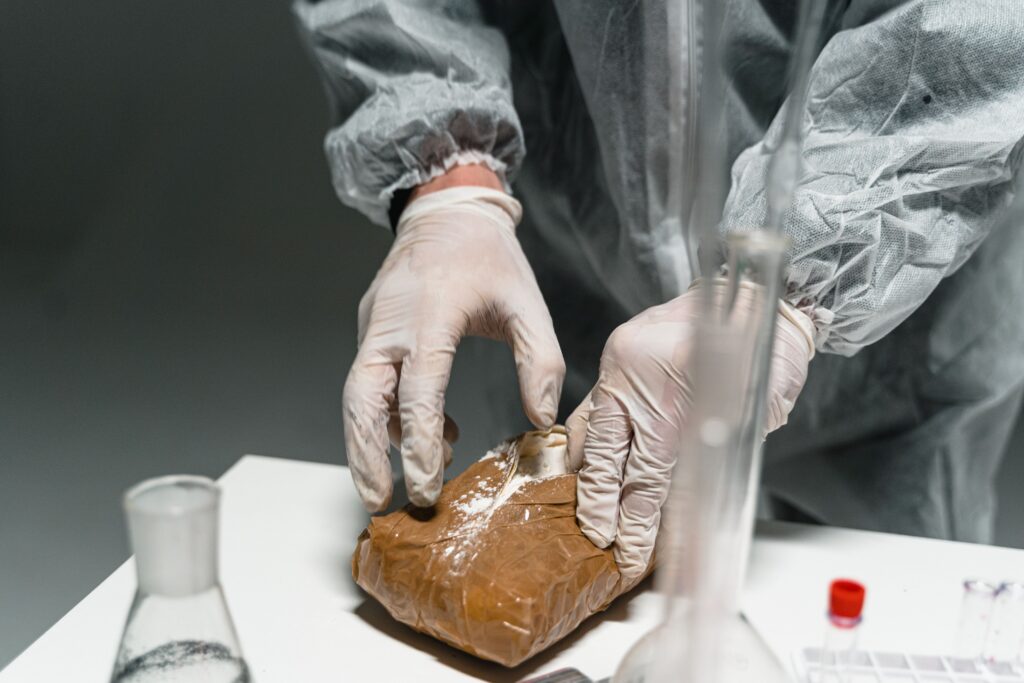
Fentanyl is a powerful synthetic opioid.
Pharmaceutical fentanyl has legitimate medical uses, particularly for severe pain and anesthesia. The current overdose crisis, however, is driven primarily by illicitly manufactured fentanyl rather than properly administered pharmaceutical fentanyl.
The Centers for Disease Control and Prevention describes fentanyl as approximately 50 to 100 times more potent than morphine.
That potency is only part of the problem.
Illicit fentanyl can be mixed into other substances or pressed into counterfeit tablets designed to resemble medications such as oxycodone or Xanax.
A person may therefore consume fentanyl without intending to use an opioid at all.
Fentanyl has been found in substances sold as:
- Heroin
- Cocaine
- Methamphetamine
- Counterfeit oxycodone
- Counterfeit hydrocodone
- Counterfeit benzodiazepines
- Other powders and pressed pills
This unpredictability has made fentanyl exposure a concern beyond people who identify themselves as opioid users.
How Serious Is Fentanyl in Los Angeles?
Fentanyl remains one of the most important substances involved in accidental overdose deaths in Los Angeles County.
The local situation has improved significantly from its peak, but the numbers show why treatment and overdose prevention remain important.
Los Angeles County reported 2,298 accidental drug overdose and poisoning deaths in 2025, down from 3,220 deaths at the 2022 peak.
Fentanyl-related deaths declined by approximately 10% from 2024 to 2025 and by more than 40% from 2022 to 2025.
The previous year’s reduction was even sharper. Fentanyl deaths dropped from 2,001 in 2023 to 1,263 in 2024, a decline of approximately 37%.
Those improvements suggest that prevention, naloxone distribution, treatment access, harm reduction, and other interventions can save lives.
But thousands of families in Los Angeles County have still been affected by overdose.
For someone currently using fentanyl or other opioids, population-level improvement does not eliminate individual risk.

Why Is Fentanyl So Easy to Overdose On?
Fentanyl can suppress the part of the brain that controls breathing.
During an opioid overdose, breathing can slow dramatically or stop altogether. Without enough oxygen, brain injury or death can occur.
Fentanyl’s potency makes dose variation particularly dangerous in an illicit supply.
A person often does not know:
- How much fentanyl is present
- Whether fentanyl is present at all
- Whether another potent opioid is present
- How evenly fentanyl is distributed within a pill or powder
- Whether other sedating substances are mixed into it
Someone may use what appears to be the same amount they used previously and still experience an overdose.
Risk can become even higher when opioids are combined with other central nervous system depressants.
What Does a Fentanyl Overdose Look Like?
An opioid overdose is a medical emergency.
Warning signs can include:
- Slow or stopped breathing
- Very shallow breathing
- Inability to wake the person
- Extreme sleepiness or unresponsiveness
- Pinpoint pupils
- Blue, gray, or discolored lips or fingertips
- Limpness
- Choking, gurgling, or unusual snoring sounds
- Slow heartbeat
If an opioid overdose is suspected, call 911 immediately.
Naloxone can reverse an opioid overdose, including an overdose involving fentanyl.
If naloxone is available, administer it according to its instructions while emergency services are being contacted. Because fentanyl is potent, additional naloxone doses may sometimes be necessary.
Anyone regularly using opioids, living with someone who uses opioids, or caring for someone at risk of opioid overdose should consider keeping naloxone accessible.
What Are the Signs of Fentanyl Addiction?
Fentanyl addiction usually falls within the clinical diagnosis of opioid use disorder, or OUD.
The issue is not simply whether someone has used fentanyl.
Signs that opioid use may have developed into a substance use disorder include:
- Using fentanyl or opioids more often than intended
- Using larger amounts over time
- Being unable to cut down despite trying
- Spending significant time obtaining, using, or recovering from opioids
- Experiencing strong cravings
- Developing tolerance
- Experiencing withdrawal when stopping
- Continuing despite health problems
- Continuing despite relationship conflicts
- Neglecting work, school, or family responsibilities
- Giving up activities because opioid use takes priority
- Using opioids in dangerous situations
- Continuing to use despite repeated overdoses
- Returning to opioids after treatment despite wanting to remain abstinent
Addiction can affect people who began using opioids recreationally as well as those whose opioid exposure began with prescription pain treatment.
Spark provides treatment for prescription drug dependence when opioid or other medication use has progressed into dependence or addiction.

What Does Fentanyl Withdrawal Feel Like?
Fentanyl withdrawal can be intensely uncomfortable.
Common opioid withdrawal symptoms include:
- Muscle aches
- Restlessness
- Anxiety
- Sweating
- Runny nose
- Watery eyes
- Insomnia
- Abdominal cramping
- Nausea
- Vomiting
- Diarrhea
- Goosebumps
- Increased heart rate
- Strong opioid cravings
People sometimes describe opioid withdrawal as an extreme flu combined with anxiety, insomnia, agitation, and overwhelming cravings.
Unlike severe alcohol or benzodiazepine withdrawal, uncomplicated opioid withdrawal is generally not considered directly life-threatening for otherwise healthy adults.
But that does not make withdrawal harmless.
Vomiting and diarrhea can contribute to dehydration. Mental health symptoms may worsen. Most importantly, withdrawal can make returning to opioid use feel urgently necessary.
That creates an important overdose risk.
Why Is Relapse After Fentanyl Detox So Dangerous?
Opioid tolerance can fall after a period without use.
If someone returns to fentanyl after detox, incarceration, hospitalization, residential treatment, or another period of abstinence and uses an amount similar to what they previously tolerated, their body may no longer be able to handle that dose.
This can lead to overdose.
That is one reason detox should be treated as the beginning of care rather than the complete solution.
Someone may successfully stop using fentanyl for several days and still face:
- Cravings
- Triggers
- Depression or anxiety
- Stress
- Easy access to drugs
- Relationships connected to substance use
- Housing instability
- Chronic pain
- Trauma
- Habitual behavioral patterns
If those factors are not addressed, completing withdrawal alone may leave the person highly vulnerable when they return to everyday life.
What Happens During Fentanyl Detox in Los Angeles?
Fentanyl detox focuses on stabilizing the individual as opioid use stops.
The exact process depends on clinical needs.
Treatment may include:
- Medical assessment
- Withdrawal monitoring
- Vital-sign monitoring
- Medication when clinically appropriate
- Hydration
- Nutritional support
- Symptom management
- Mental health assessment
- Evaluation for other substance use
- Overdose education
- Planning for continued treatment
Spark’s medically assisted detox program in Los Angeles provides supervised withdrawal care for individuals whose substance use requires clinical support.
A broader drug detox program is also available for people whose withdrawal and stabilization needs involve drugs beyond alcohol.
The goal is not merely to count the days until fentanyl leaves the body.
It is to stabilize the person and determine what should happen next.
Are There Medications for Fentanyl Addiction?
Yes.
The FDA has approved three medications for opioid use disorder:
- Buprenorphine
- Methadone
- Naltrexone
These medications work differently and are not interchangeable.
Buprenorphine
Buprenorphine is a partial opioid agonist.
When appropriately prescribed, it can reduce withdrawal symptoms and opioid cravings while producing less opioid effect than full agonists such as fentanyl or heroin.
The timing and method used to start buprenorphine can be particularly important for someone using fentanyl because beginning it at the wrong point in withdrawal may precipitate withdrawal.
Treatment should therefore be directed by an appropriately qualified clinician.
Methadone
Methadone is a long-acting opioid agonist used to treat opioid use disorder.
For OUD treatment, methadone is generally dispensed through federally regulated opioid treatment programs.
It can reduce opioid withdrawal and cravings and help stabilize people with opioid dependence.
Naltrexone
Naltrexone works differently.
It is an opioid antagonist, meaning it blocks opioid receptors rather than activating them.
A person must first complete an adequate opioid-free period before beginning naltrexone because taking it while opioids remain in the body can trigger withdrawal.
The extended-release injectable form is approved for opioid use disorder.
No single medication is automatically right for everyone.
Medication choice should consider the individual’s opioid-use pattern, medical needs, preferences, previous treatment, withdrawal status, and treatment setting.
Spark offers medication-assisted treatment in Los Angeles as part of its addiction treatment services when clinically appropriate.
Is Medication-Assisted Treatment Just Replacing One Drug With Another?
No.
This is a common misconception about medications for opioid use disorder.
Methadone and buprenorphine interact with opioid receptors, but using a medication under a controlled treatment plan is fundamentally different from repeatedly using illicit fentanyl to produce intoxication or prevent withdrawal.
SAMHSA recognizes methadone, buprenorphine, and naltrexone as evidence-based medications for opioid use disorder.
Medication can help:
- Reduce withdrawal
- Reduce cravings
- Stabilize opioid dependence
- Support engagement in treatment
- Reduce illicit opioid use
- Create enough stability for behavioral treatment and recovery work to begin
Medication does not eliminate the need to address psychological, behavioral, relationship, and environmental factors.
For many people, those treatments work together.
Does Everyone With Fentanyl Addiction Need Residential Rehab?
No.
Treatment intensity should match clinical needs.
Some individuals can receive effective opioid use disorder care while living at home. Others benefit from a residential environment because their substance use, mental health, home situation, relapse history, or level of instability makes outpatient recovery difficult.
Residential treatment may be worth considering when:
- Fentanyl use is severe or frequent
- Previous attempts to stop have repeatedly failed
- Multiple substances are being used
- The home environment supports continued drug use
- Mental health symptoms complicate recovery
- The person has experienced multiple overdoses
- Cravings repeatedly lead to relapse
- Daily functioning has significantly deteriorated
- More structure is clinically appropriate
Spark’s residential addiction treatment program in Los Angeles provides a structured setting where individuals can focus on recovery away from many of the routines and triggers associated with continued use.
What Happens in Residential Fentanyl Addiction Treatment?
Once withdrawal is stabilized, treatment can turn toward the factors that keep opioid addiction going.
Residential care may involve:
- Individual therapy
- Group therapy
- Cognitive behavioral therapy
- Family therapy
- Relapse-prevention work
- Life-skills development
- Mental health treatment
- Medication management
- Recovery education
- Wellness activities
- Continuing-care planning
The goal is not simply abstinence while someone is physically inside a treatment center.
Treatment should help prepare the person to respond differently when cravings, stress, access to substances, conflict, and other triggers return.
How Does Therapy Help With Fentanyl Addiction?
Fentanyl dependence has a physical component, but addiction is rarely only physical.
Someone may use opioids to cope with:
- Trauma
- Chronic pain
- Depression
- Anxiety
- Loneliness
- Stress
- Grief
- Relationship problems
- Emotional numbness
- Other psychiatric symptoms
Behavioral treatment helps examine these patterns.
For example, cognitive behavioral therapy can help identify connections among thoughts, emotions, triggers, behavior, and substance use.
A person might begin recognizing a pattern such as:
Stress → craving → fentanyl use → temporary relief → consequences → more stress → renewed use
Therapy creates opportunities to interrupt that cycle.
Why Does Dual Diagnosis Matter in Fentanyl Treatment?
Substance use and mental health conditions frequently occur together.
A person with opioid use disorder may also experience:
- Depression
- Anxiety
- Post-traumatic stress
- Bipolar disorder
- ADHD
- Other psychiatric conditions
Sometimes opioids are used to escape mental health symptoms.
Sometimes long-term substance use worsens those symptoms.
Often the relationship works in both directions.
Treating opioid addiction while ignoring severe depression, anxiety, trauma, or another psychiatric condition may leave an important driver of substance use untouched.
Spark’s dual diagnosis treatment program in Los Angeles addresses substance use alongside co-occurring mental health concerns when both are present.
What If Someone Uses Fentanyl With Meth, Cocaine, or Benzodiazepines?
Polysubstance use makes treatment more complex.
A person may intentionally combine drugs, or fentanyl may appear unexpectedly in another substance.
CDC data show that fentanyl is sometimes present in drugs sold as cocaine or methamphetamine.
Benzodiazepines create another concern because combining sedatives with opioids can significantly increase respiratory-depression and overdose risks.
Treatment should therefore evaluate everything someone is taking, including:
- Alcohol
- Prescription medications
- Benzodiazepines
- Cocaine
- Methamphetamine
- Heroin
- Cannabis
- Other opioids
- Sedatives
- Counterfeit pills
This is one reason a clinical assessment is more useful than trying to choose a treatment plan based entirely on the substance someone believes they are using.
Getting Help for Fentanyl Rehab in Sherman Oaks, Los Angeles
Spark to Recovery provides addiction treatment in Sherman Oaks for individuals struggling with opioid and other substance use disorders.
Treatment can begin with assessment and withdrawal stabilization when needed, followed by an individualized plan that may incorporate residential treatment, medication-supported care, behavioral therapy, mental health treatment, relapse prevention, and continuing recovery support.
For people who require withdrawal management, Spark offers medically assisted detox.
For people who require greater structure after stabilization, residential treatment in Los Angeles can provide an environment focused on recovery and therapeutic care.
You can review the admissions process or verify your insurance benefits before deciding on treatment.
Fentanyl addiction can become dangerous long before someone feels ready to call the situation “severe.”
Treatment does not require waiting for another overdose, another failed attempt to quit, or another crisis.
An assessment can help determine the safest next step.
Medical disclaimer: This article is for educational purposes and does not replace medical advice, diagnosis, or treatment. If someone may be experiencing an opioid overdose, call 911 immediately and administer naloxone if available.
If you’re concerned your adult child may be struggling with substance abuse, Contact Spark To Recovery today to speak with a compassionate admissions specialist about available treatment options.

Frequently Asked Questions
1. What is the best treatment for fentanyl addiction? Fentanyl addiction is generally treated as opioid use disorder. Effective treatment can include medications such as buprenorphine, methadone, or naltrexone, combined with behavioral therapy and recovery support. The appropriate approach depends on the person’s withdrawal status, medical history, severity of opioid use, mental health, preferences, and treatment needs. There is no single treatment plan that is best for everyone.
2. Does fentanyl withdrawal require medical detox? Not everyone with opioid dependence requires the same detox setting, but fentanyl withdrawal can be intense and may lead to rapid relapse. Clinical evaluation can determine whether medically supervised detox or another withdrawal-management approach is appropriate. Polysubstance use, medical conditions, severe psychiatric symptoms, or dependence on alcohol or benzodiazepines can substantially change the level of risk.
3. How long does fentanyl withdrawal last? Opioid withdrawal generally begins after opioid levels decline and can produce several days of prominent physical symptoms, although cravings, sleep disturbances, anxiety, and mood symptoms may last longer. Fentanyl withdrawal can vary according to how frequently the drug was used, the amount used, individual metabolism, other substances, and the person’s treatment plan.
4. Can fentanyl addiction be treated with medication? Yes. The FDA has approved buprenorphine, methadone, and naltrexone for opioid use disorder. These medications work differently and have different requirements for initiation and ongoing treatment. A qualified clinician should determine whether medication is appropriate and which option best fits the individual.
5. Is fentanyl rehab the same as detox? No. Detox focuses on withdrawal and physical stabilization. Rehab addresses the broader substance use disorder through therapy, medication when appropriate, mental health care, relapse prevention, and recovery planning. Completing detox without continued treatment can leave cravings and behavioral triggers unresolved.
Citations
SAMHSA — Naltrexone
https://www.samhsa.gov/substance-use/treatment/options/naltrexone
Los Angeles County Department of Public Health — Drug-Related Overdose Deaths in LA County Continue to Fall, June 25, 2026
https://publichealth.lacounty.gov/phcommon/public/media/mediapubhpdetail.cfm?prid=5367
Los Angeles County Department of Public Health — Fentanyl Overdoses in Los Angeles County
https://publichealth.lacounty.gov/sapc/MDU/SpecialReport/Fentanyl-Overdoses-in-Los-Angeles-County.pdf
Los Angeles County Department of Public Health — Substance Use Data Reports and Briefs
https://publichealth.lacounty.gov/sapc/public/data-reports-and-briefs.htm
CDC — Fentanyl
https://www.cdc.gov/overdose-prevention/about/fentanyl.html
CDC — About Overdose Prevention
https://www.cdc.gov/overdose-prevention/about/
CDC — Fentanyl Fact Sheet
https://www.cdc.gov/overdose-resources/search/pages/cdc_fentanyl-fact-sheet_general.html
SAMHSA — Substance Use Disorder Treatment Options
https://www.samhsa.gov/substance-use/treatment/options
SAMHSA — Medications for Opioid Use Disorder
https://www.samhsa.gov/resource/recovery/medications-opioid-use-disorder
SAMHSA — Buprenorphine
https://www.samhsa.gov/substance-use/treatment/options/buprenorphine