⚠️Visitors to our site are often searching for information because they, their best friend, or a family member has unfortunately fallen into use of dangerous substances. We aim to provide educational information on Meth mites or meth sores but more importantly, we protect people from the dangers of all forms of substance abuse! ⚠️
Call our admissions department at (855) 855-6544 or verify your insurance here to get immediate substance abuse help for yourself or a loved one.
Introduction
Beneath the surface of methamphetamine addiction lies a particularly disturbing phenomenon that transforms users’ bodies into battlegrounds. The sensation of insects crawling beneath your skin isn’t real—yet for those caught in meth’s grip, these phantom mites feel devastatingly tangible. What begins as an unsettling itch quickly spirals into compulsive skin picking, leaving behind a visible roadmap of addiction’s psychological and physical toll. Moreover, understanding meth mites represents a crucial step toward recognizing the full scope of methamphetamine’s destruction. At Spark To Recovery, we’ve witnessed countless individuals reclaim their lives after battling this harrowing aspect of meth use, and we’re here to illuminate the path forward.
What Is a Meth Mite?
Here’s the unsettling truth: meth mites don’t actually exist. These “bugs” are tactile hallucinations—a psychological manifestation triggered by methamphetamine’s assault on your brain’s dopamine system. When chronic meth users report feeling creatures burrowing through their flesh, they’re experiencing a condition known as formication. Essentially, the drug hijacks your sensory perception, creating phantom sensations that feel utterly convincing.
The phenomenon stems from methamphetamine’s intense stimulation of the central nervous system. Consequently, users develop an overwhelming compulsion to scratch and dig at their skin, convinced they’re removing parasites. The Drug Enforcement Administration notes that chronic meth users can exhibit delusions such as the sensation of insects creeping on or under the skin [1]. This paranoia-driven behavior creates real wounds from imaginary threats, transforming a mental health crisis into visible physical damage.
What Are the Symptoms of Meth Mites?
The symptoms manifest across both psychological and physical dimensions, creating a feedback loop of distress. Initially, users experience an intense itching sensation that seems to move beneath the skin’s surface. Furthermore, this sensation intensifies during periods of heavy use or during the “tweaking” phase when users haven’t slept for days.
Psychological symptoms include:
- Overwhelming conviction that bugs are crawling under your skin
- Obsessive focus on perceived parasites
- Inability to stop picking or scratching despite visible damage
- Heightened paranoia and anxiety about imaginary infestations
- Visual hallucinations of bugs or movement on the skin
Physical manifestations emerge as:
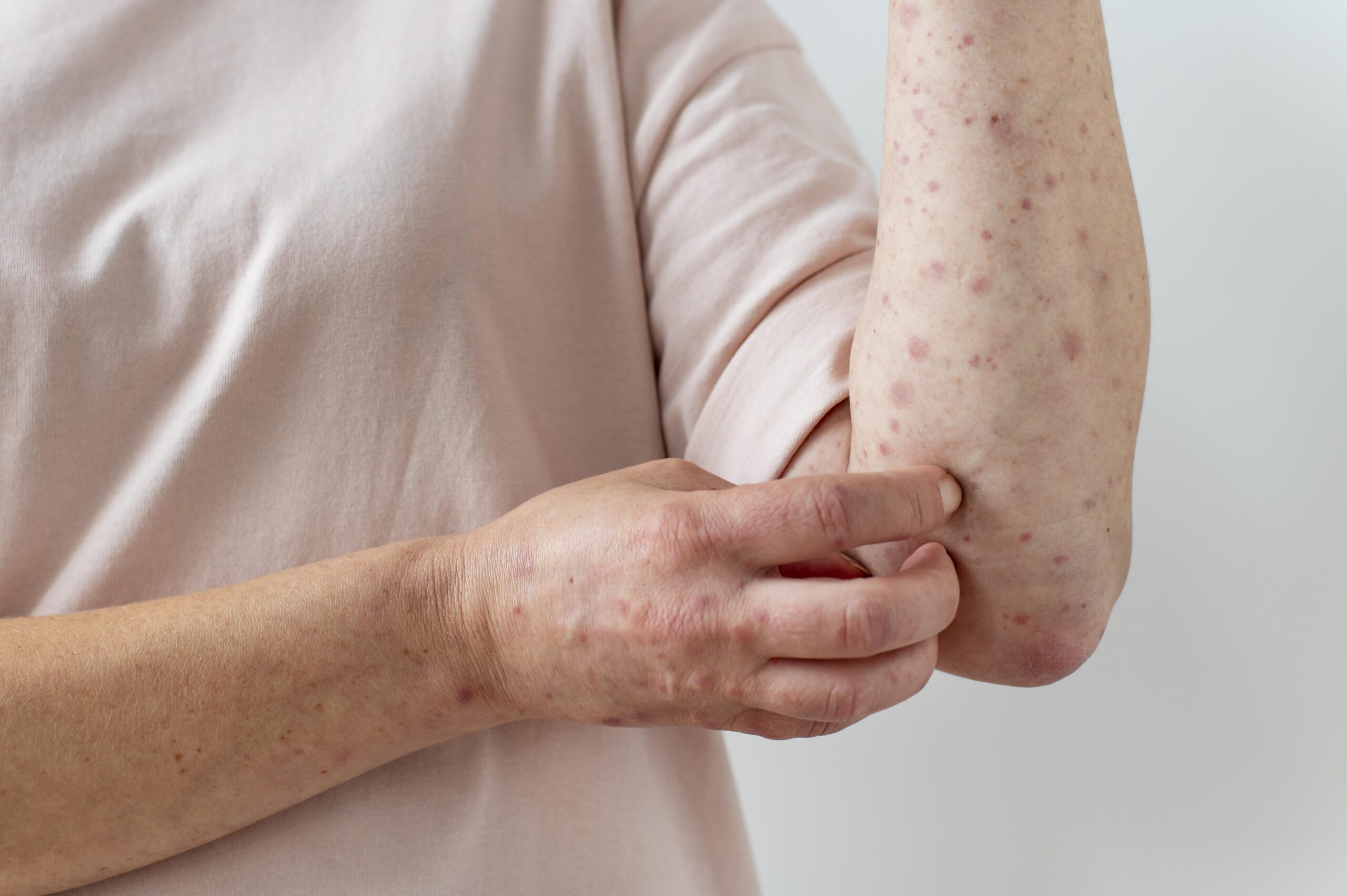
- Open sores and lesions across the face, arms, and body
- Scabs that never fully heal due to repeated picking
- Skin infections from introducing bacteria through broken skin
- Scarring and permanent skin damage
- Track marks if injecting methamphetamine
Sacramento County public health officials document that sores caused by oily skin and compulsive picking represent a common effect of meth use [2]. The cycle becomes self-perpetuating: the more you pick, the worse the sores become, reinforcing the delusion that something must be extracted.
What Are Meth Scabs?
Meth scabs represent the body’s desperate attempt to heal wounds that users continuously reopen. These crusty, sometimes bloody formations develop where skin picking occurs most frequently—typically on the face, arms, and hands. Unlike ordinary scabs, meth scabs rarely follow normal healing trajectories because users can’t resist interfering with them.
The scabs themselves often become focal points for further picking behavior. Additionally, the oily skin that methamphetamine use produces makes these areas more prone to infection. Users frequently develop what’s known as “meth acne,” combining drug-induced skin problems with picking-related damage. The infected skin sores can cause severe scarring that persists long after sobriety begins. Research indicates these wounds become entry points for serious bacterial infections [2], transforming cosmetic concerns into legitimate medical emergencies.
What Do Meth Sores Look Like?
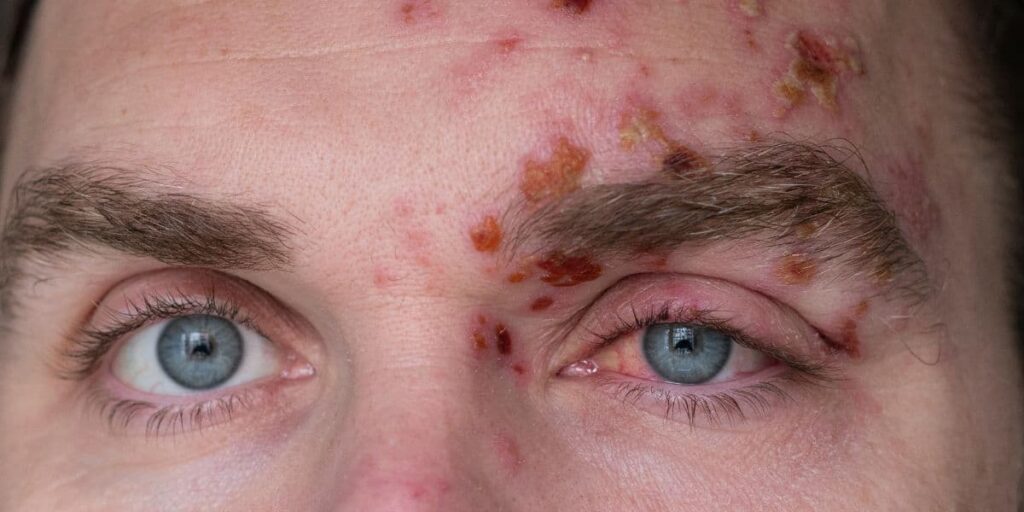
Meth sores carry distinctive characteristics that set them apart from other skin conditions. They typically appear as open wounds, red lesions, or crater-like indentations scattered across visible areas of the body. The face often bears the heaviest concentration, though arms and hands show similar patterns among users who inject.
Visual characteristics include:
- Small to medium-sized circular wounds
- Red, inflamed borders around open sores
- Crusted scabs in various stages of healing
- Pockmarked or cratered appearance in advanced cases
- Darkened or discolored skin surrounding healed areas
- Evidence of picking through scratch marks and linear wounds
The severity varies based on duration of use and picking intensity. Initially, sores might resemble acne or bug bites. However, chronic users develop what addiction medicine specialists call “meth face”—a distinctive pattern of facial scarring and damage that becomes increasingly difficult to conceal. These marks tell a story that words often can’t capture, becoming visible evidence of internal struggle.
Timeline And Progression Of Meth Sores
The development of meth sores follows a predictable yet devastating timeline. Understanding this progression helps contextualize the urgency of intervention. Early-stage users might notice only minor scratches or small blemishes within weeks of regular use.
Early Stage (1-3 months):
- Mild itching sensations begin
- Small scratches or minor skin irritation appears
- Picking behavior starts becoming compulsive
- Healing occurs between use sessions
Middle Stage (3-12 months):
- Open sores develop and persist
- Scabs form but are repeatedly picked
- Skin infections become more common
- Visible scarring begins to accumulate
- Meth face characteristics emerge
Advanced Stage (12+ months):
- Severe crater-like wounds cover face and body
- Permanent scarring and skin damage
- Chronic infections requiring medical intervention
- Loss of skin elasticity and premature aging
- Nasal tissue damage if smoking or snorting
The CDC reports that approximately 1.6 million adults used methamphetamine annually between 2015-2018, with 52.9% meeting criteria for methamphetamine use disorder [3]. Consequently, a substantial population faces these progressive skin complications alongside addiction’s other devastating effects.
What Is Meth Face?
“Meth face” describes the distinctive facial appearance that develops through prolonged methamphetamine use. It’s become an unfortunate hallmark of addiction, combining multiple factors: skin picking, dental deterioration, weight loss, and premature aging. The transformation can be so dramatic that family members struggle to recognize their loved ones.
Beyond the sores themselves, meth face encompasses sunken cheeks from rapid weight loss, hollow eyes from sleep deprivation, and a gaunt appearance that adds years to users’ actual age. The skin often appears leathery and prematurely aged, while teeth deteriorate into what’s known as “meth mouth.” Furthermore, decreased blood flow to facial tissues accelerates aging, creating deep lines and sagging skin. Public health campaigns have documented the before-and-after progression of meth face to illustrate addiction’s physical toll [1], though these images only capture external changes, not the internal devastation occurring simultaneously.
Risks And Dangers Of Meth
Methamphetamine addiction extends far beyond skin damage into life-threatening territory. This highly addictive stimulant rewires brain chemistry, damages organs, and destroys lives with ruthless efficiency. At Spark To Recovery, we treat the whole person because meth’s dangers demand comprehensive intervention.
Short-term effects include:
- Increased heart rate and blood pressure
- Hyperthermia (dangerous overheating)
- Insomnia and decreased appetite
- Aggressive or violent behavior
- Meth psychosis with hallucinations and paranoia
Long-term consequences encompass:
- Cardiovascular damage and heart attack risk
- Liver and kidney failure
- Severe dental problems (meth mouth)
- Cognitive impairment and memory loss
- Increased risk of stroke and seizures
- Infectious disease transmission through injection
- Mental health disorders including depression and anxiety
Studies indicate that as much as 50 percent of dopamine-producing brain cells can be damaged after prolonged methamphetamine exposure [1]. This neurological damage can persist even after sobriety, though recovery remains possible with proper treatment and support.
Treatment For Meth Sores
Healing meth sores requires addressing both the physical wounds and the underlying addiction driving the behavior. Medical treatment focuses on preventing infection, promoting healing, and managing scarring. However, without sobriety, these interventions provide only temporary relief.
Medical treatment approaches:
- Antibiotic therapy for infected wounds
- Proper wound care and bandaging techniques
- Topical medications to promote healing
- Treatment for any underlying skin infections
- Dermatological consultation for severe scarring
Addiction treatment integration at Spark To Recovery:
We understand that treating the symptoms without addressing the cause creates an endless cycle. Our luxury rehab center in Los Angeles provides comprehensive care that tackles methamphetamine addiction from multiple angles. Through evidence-based therapies including cognitive-behavioral therapy and community reinforcement, we help you understand and overcome the compulsions driving skin picking behavior.
Moreover, our holistic approach addresses the mind, body, and spirit. We provide medical supervision for withdrawal, mental health support for underlying conditions, and life skills training for lasting recovery. Many individuals find that skin healing accelerates dramatically once they achieve sobriety, as the body finally gets the opportunity to repair without constant reinjury.
Frequently Asked Questions on Meth Mites & Meth Sores
No, meth mites are not real. They’re tactile hallucinations called formication, caused by methamphetamine’s effects on the brain. While the sensations feel real to users, no actual parasites or bugs are present. The picking behavior and resulting sores stem from this drug-induced delusion.
Many meth sores can heal significantly with proper treatment and sobriety. Early-stage wounds often heal without permanent scarring. However, deep wounds and chronic picking may leave permanent scars. Dermatological treatments can improve appearance, but prevention through sobriety remains the best approach.
Meth psychosis duration varies by individual and use patterns. Acute psychosis may resolve within days to weeks after stopping use. However, some individuals experience lingering symptoms for months. Professional addiction treatment significantly improves outcomes and reduces the risk of permanent psychological damage.
Meth face occurs rapidly and displays distinctive patterns: severe skin damage from picking, extreme dental deterioration, dramatic weight loss creating sunken features, and premature aging that occurs in months rather than decades. The combination of these factors creates an appearance markedly different from natural aging processes.
Yes, recovery from meth addiction is absolutely possible. While methamphetamine is highly addictive and causes significant brain changes, evidence-based treatment combined with ongoing support leads to successful long-term recovery for many individuals. Professional treatment centers like Spark To Recovery provide the comprehensive care necessary for sustained sobriety.
Find Help Today
You don’t have to face this battle alone. At Spark To Recovery, we’ve helped countless individuals overcome methamphetamine addiction and reclaim their lives from the grip of this devastating substance. Our licensed and accredited treatment center in Los Angeles offers residential programs designed specifically for your unique needs and circumstances.
Recovery is possible. The visible scars of meth addiction—while challenging—can fade with time, proper treatment, and consistent sobriety. More importantly, the invisible scars on your brain and spirit can heal through evidence-based addiction treatment. We accept most private insurance plans and offer confidential benefits verification to make treatment accessible when you’re ready to take that crucial first step.
The path to recovery begins with a single decision. Contact our compassionate admissions team today to learn how Spark To Recovery can help you overcome methamphetamine addiction and start healing both the visible and invisible wounds. Your future self will thank you for having the courage to reach out now.
Sources
[1] U.S. Drug Enforcement Administration. (2020). Methamphetamine. DEA Drug Fact Sheet. – https://www.dea.gov/sites/default/files/2020-06/Methamphetamine-2020_0.pdf
[2] Sacramento County Division of Behavioral Health Services. (2019). Signs and Symptoms of Methamphetamine Use. Methamphetamine Coalition Materials. – https://dhs.saccounty.gov/BHS/Documents/SUPT/Methamphetamine/Coalition-2019/MA-ADS-2019-10-09-Meth-Coalition–Signs-of-Meth-Use.pdf
[3] Jones, C. M., Compton, W. M., & Mustaquim, D. (2020). Patterns and Characteristics of Methamphetamine Use Among Adults — United States, 2015–2018. MMWR Morbidity and Mortality Weekly Report, 69(12), 317–323. – https://www.cdc.gov/mmwr/volumes/69/wr/mm6912a1.htm

Laura A. Fierro, Ph.D., LMFT
Board-Certified Physician in Internal Medicine