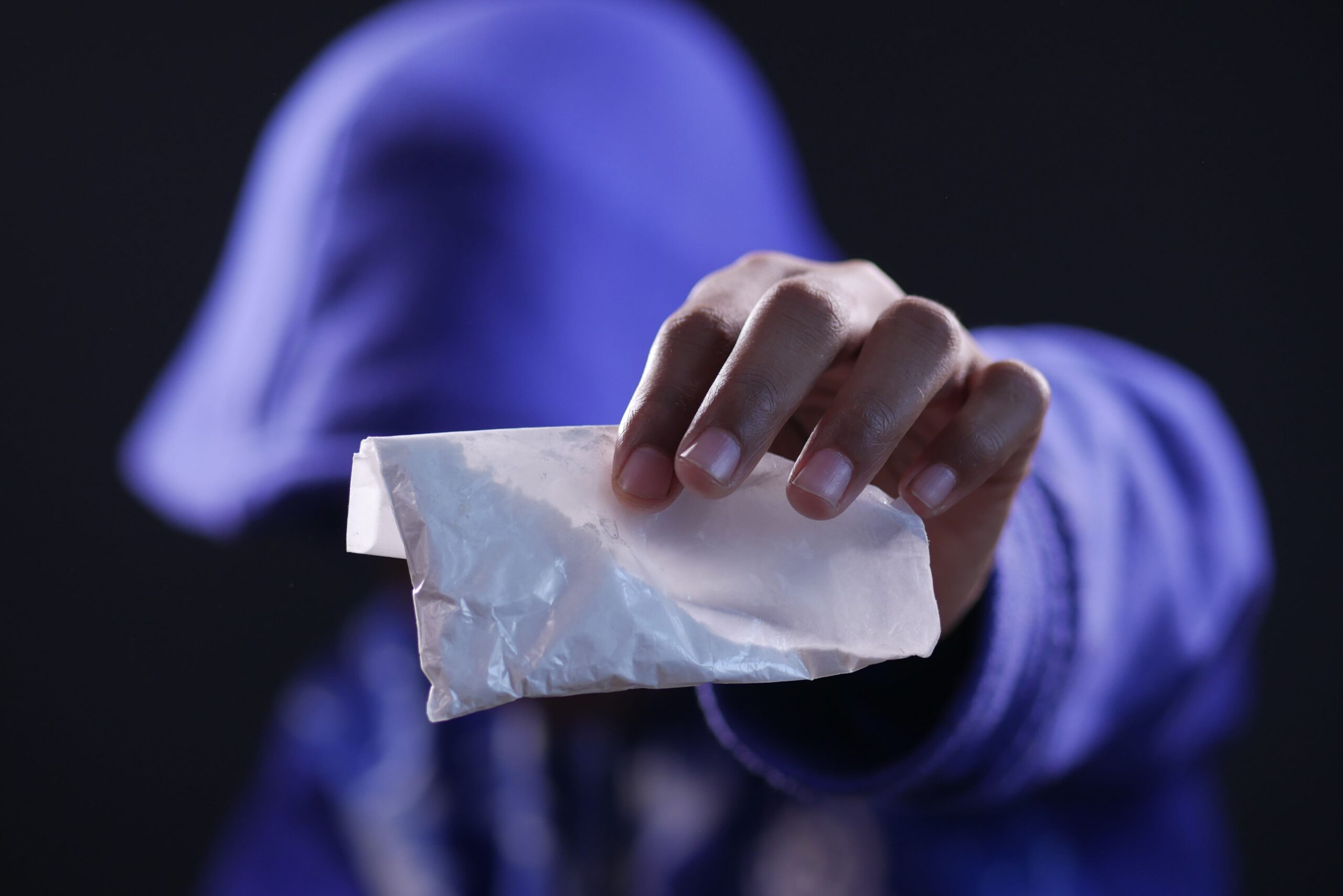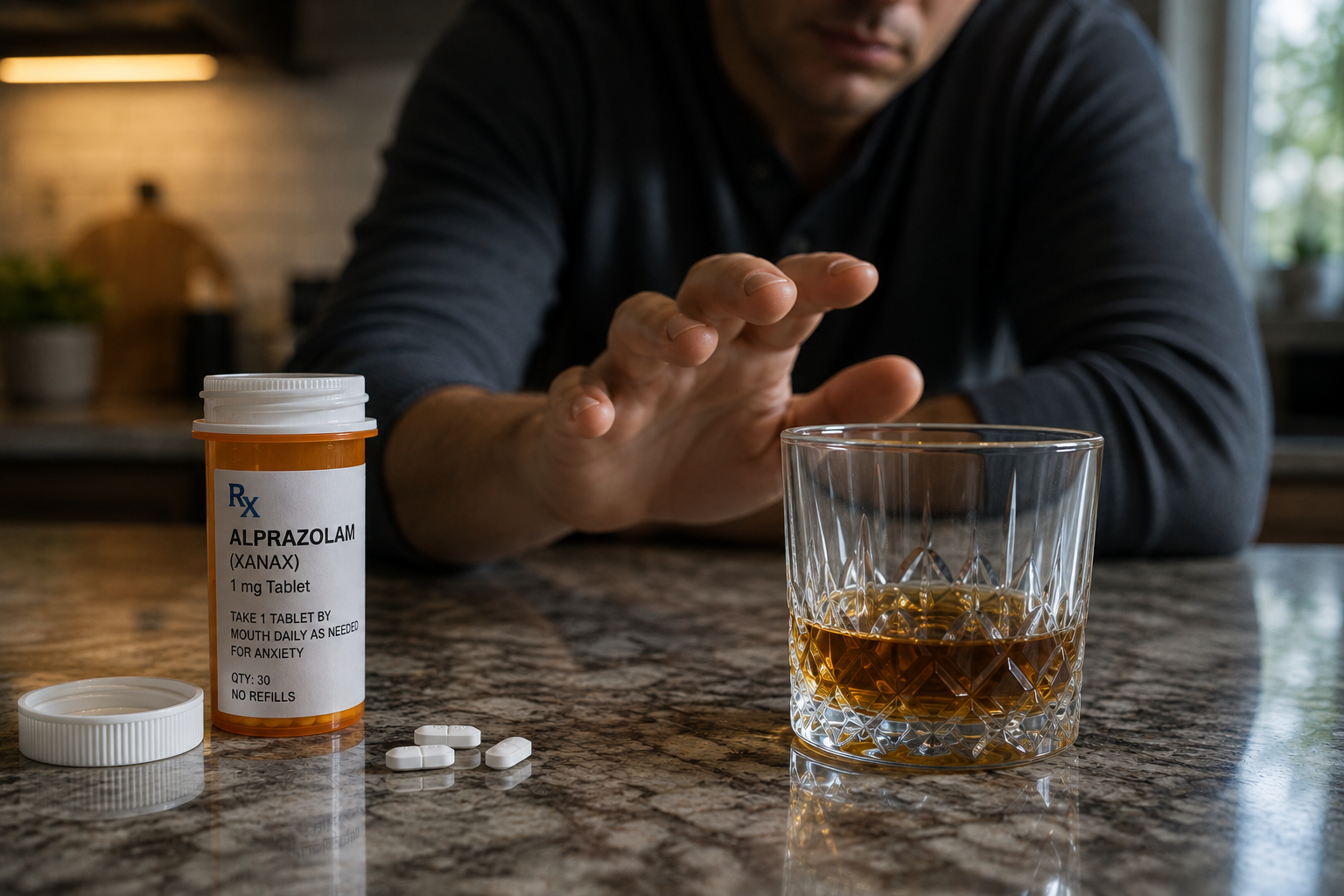
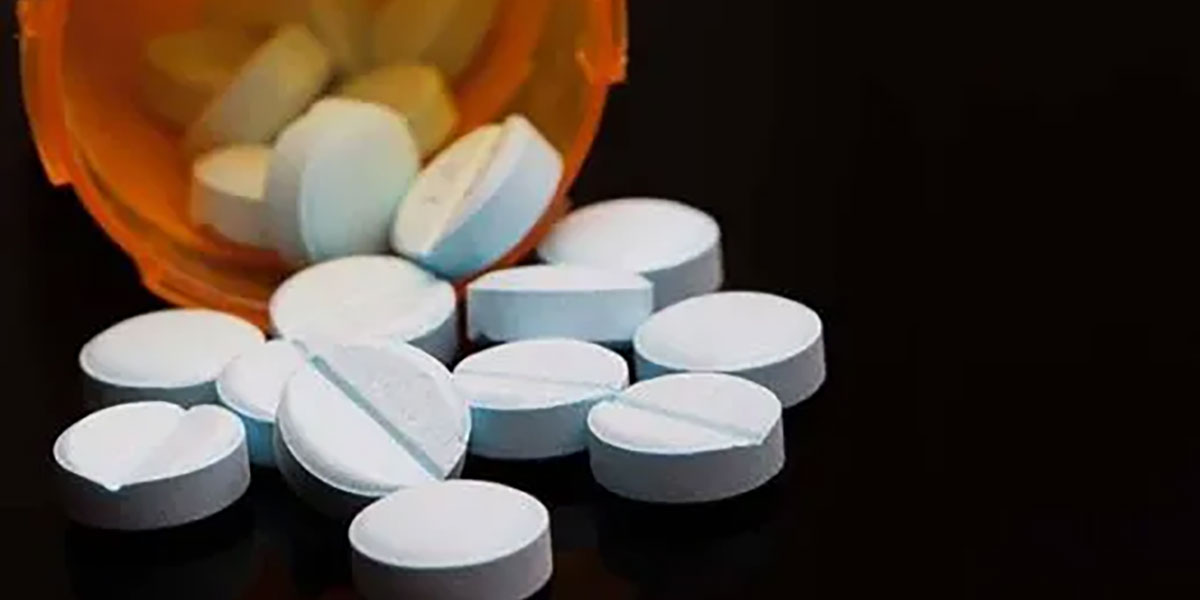
Opioids are prescribed as painkillers to help patients deal with moderate to severe pain caused by chronic medical conditions or after undergoing surgery. However, they also come with a high potential for abuse and addiction. Even patients who take opioids in accordance to doctors’ instructions run the risk of developing a tolerance and consequently, dependency. As opioids are highly addictive, their misuse can result in fatal consequences. In this article, we share with you how long certain opioids can stay in your system after ingestion.
Factors Affecting Opioid Half-Lives
How long an opioid will remain in your system depends on several individual factors, which include the following:
- Age
- Weight
- Metabolism rate
- Body fat percentage
- The type of opioid taken
- Dosage taken
As such, doctors prescribe dosages after taking the patient’s individual circumstances into account. For instance, even if the same dosage was taken, a smaller and lighter person will show higher levels of the opioid in their systems than a larger and heavier person.
Factors Affecting Opioid Half-Lives
Despite this, there are general rules of thumb for how long you can expect an opioid to remain in your system after consumption. Below are the half-lives of common opioids:
- Heroin: Although individual factors can affect how long it takes for heroin to leave your system, 7 days is a good guide.
- Fentanyl: As one of the most dangerous and addictive opioids out there, fentanyl can remain in your system for 11 to 22 hours after consumption. Fentanyl is typically prescribed in surgical settings due to its high potency.
- Oxycodone: As a commonly prescribed medication for pain, oxycodone can remain detectable in your system for up to 3 days. However, long after traces have left the bloodstream, it can be detected through hair follicle analysis for up to 90 days.
- Hydrocodone: One of the fastest acting prescription opioids, hydrocodone can leave your system in just a few hours. Similar to oxycodone, it can be detected through hair follicle testing for up to 90 days after consumption.
Treatment Options for Opioid Addiction
If you have an opioid addiction, be it to a prescription opioid or an illicit one, seek help immediately. Although these drugs can leave your system within hours or days, the longer lasting effects are far more dangerous, culminating in negative consequences for your mental and physical health. Treatment within a safe and supportive environment is available in rehabilitation centers around the country, including Spark To Recovery. Assisting patients with managing their uncomfortable withdrawal symptoms and directing them to a facility where necessary is the safest way to start on the path to recovery.
Work with Spark To Recovery for Opioid Addiction Treatment
At Spark To Recovery, we have a team of professional physicians, therapists, nurses, and addiction treatment experts who are dedicated to every patient’s recovery. Facilitating a range of treatments and therapies to treat opioid addiction at its root, we provide the resources and support you need to break out of chemical dependency. All you have to do is reach out to us. Call Spark To Recovery at (855) 608-2069 today if you want to schedule an appointment with us.