

⚠️Visitors to our site are often searching for information because they, their best friend, or a family member has unfortunately fallen into use of dangerous substances. We aim to provide educational information on couples rehab but more importantly, we protect people from the dangers of all forms of substance abuse! ⚠️
Call our admissions department at (855) 855-6544 or verify your insurance here to get immediate substance abuse help for yourself or a loved one.
Introduction
When addiction infiltrates a relationship, it doesn’t just affect one person—it creates ripples that touch every conversation, every shared moment, every whispered promise in the dark. Couples rehab offers a transformative path forward, one where both partners can confront substance use disorders while simultaneously rebuilding the foundation of their relationship. Rather than navigating recovery in isolation, this specialized approach recognizes that healing happens most powerfully when partners face their demons together, with professional guidance lighting the way.
What Is Couples Therapy?
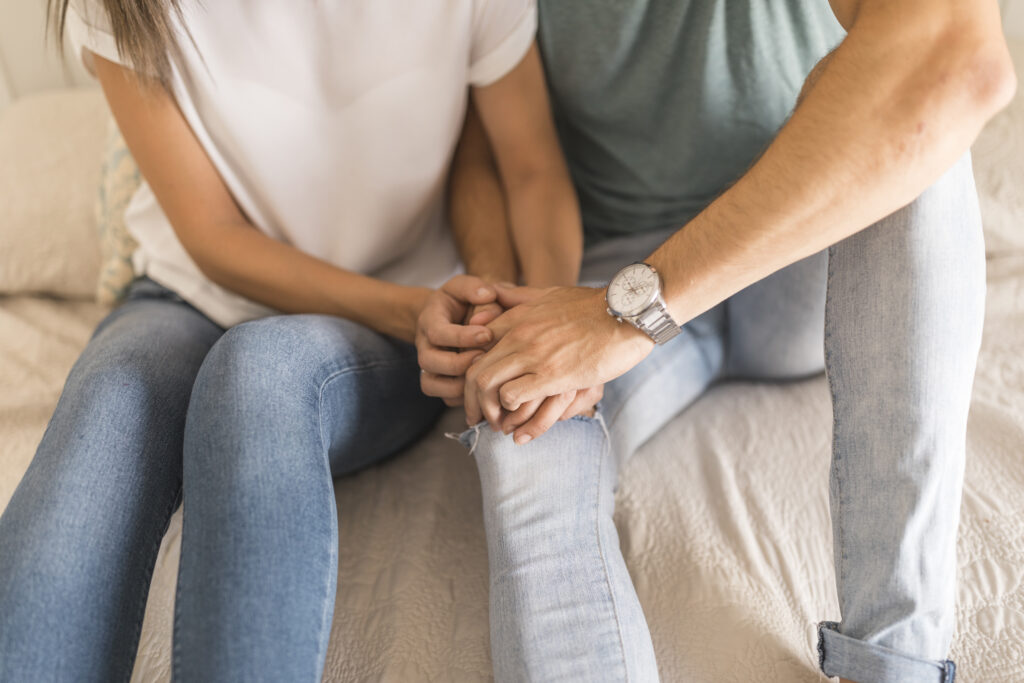
Think of couples therapy as relationship archaeology—carefully excavating layers of communication patterns, emotional triggers, and behavioral dynamics that have accumulated over time. At its core, this therapeutic approach brings two people into a shared space where a trained professional helps them examine their interactions, understand their conflicts, and develop healthier ways of relating to one another.
Unlike individual therapy, where you’re the sole focus, couples therapy creates a triangular dynamic. Your therapist becomes both witness and guide, observing how you communicate, identifying destructive patterns, and teaching you new skills to navigate disagreements. Moreover, this setting provides a neutral ground where both partners can express their perspectives without the conversation spiraling into the same tired arguments that happen at home.

Traditional couples therapy addresses issues like communication breakdowns, trust violations, and intimacy struggles. However, when addiction enters the picture, the complexity intensifies exponentially. Therefore, specialized couples rehab programs combine relationship counseling with evidence-based addiction treatment, creating a comprehensive approach that addresses both the substance use disorder and its impact on the partnership.
How Does Addiction Impact Intimate Relationships?
Addiction operates like a third party in your relationship—an uninvited guest who gradually takes over the household. Initially, the changes might seem subtle: a missed date here, a broken promise there. Nevertheless, as substance use intensifies, the addiction becomes increasingly demanding, requiring more time, energy, and resources that should flow toward your partner.
Research from the National Institutes of Health reveals that substance use disorders significantly strain intimate relationships through multiple pathways [2]. Financial pressures mount as money disappears into the addiction rather than shared goals or household expenses. Furthermore, emotional availability plummets when one partner is preoccupied with obtaining, using, or recovering from substances.
Trust, that delicate architecture upon which healthy relationships are built, begins to crumble. Lies accumulate like unpaid bills—small deceptions about drinking amounts, hidden drug use, or secret spending. Consequently, the non-using partner often develops hypervigilance, constantly monitoring for signs of use, which creates an exhausting dynamic of suspicion and defensiveness.
Additionally, role reversals frequently occur in relationships affected by addiction. The non-using partner may assume responsibilities their partner once handled, effectively becoming a caretaker rather than an equal participant. This shift breeds resentment, exhaustion, and a profound sense of loneliness, even when sharing the same space.
Addiction And Sex Life
Behind closed doors, addiction wreaks havoc on sexual intimacy in ways that many couples find difficult to discuss. Substance use directly affects sexual function—alcohol and opioids, for instance, commonly cause erectile dysfunction in men, while stimulants can create hypersexuality followed by periods of complete disinterest. These physiological changes alone would strain any couple’s intimate connection.
Beyond the physical mechanics, addiction corrodes the emotional vulnerability that makes sex meaningful. True intimacy requires presence—the ability to be fully engaged with your partner in the moment. However, substances create a barrier, a chemical fog that prevents genuine connection. Your partner may be physically present but emotionally absent, leaving you feeling used rather than loved.
According to experts at the American Association for Marriage and Family Therapy, substance abuse fundamentally alters relationship dynamics and intimate connections [1]. The unpredictability that accompanies active addiction—never knowing which version of your partner you’ll encounter—makes vulnerability feel dangerous. Consequently, many couples in this situation either avoid sex entirely or engage in it mechanically, devoid of the emotional depth that once defined their connection.

Addiction And Infidelity
The relationship between addiction and infidelity is complex, though not inevitable. Substances lower inhibitions, impair judgment, and create opportunities for behavior that wouldn’t occur in sobriety. Moreover, the secrecy and deception that characterize active addiction—the hidden bottles, unexplained absences, and mysterious financial transactions—establish patterns of dishonesty that can extend into other areas of life.
Interestingly, infidelity in addiction-affected relationships sometimes stems from the non-using partner seeking connection elsewhere. After months or years of feeling neglected, dismissed, or secondary to their partner’s substance use, some individuals pursue emotional or physical intimacy with someone who makes them feel valued again. This doesn’t excuse the betrayal, but it illuminates how addiction creates relationship vulnerabilities on both sides.
Research published in the journal Substance Abuse and Rehabilitation demonstrates that couples facing addiction issues experience higher rates of relationship dissolution and conflict [3]. The combination of addiction and infidelity creates what therapists call “compound trauma”—layers of hurt that require specialized treatment to address effectively. Subsequently, couples rehab programs specifically address these intertwined issues, helping partners process betrayal while simultaneously treating the underlying addiction that contributed to it.
What Do I Do If My Partner Has An Addiction?
Discovering your partner struggles with addiction triggers a cascade of emotions—fear, anger, confusion, and often guilt. You might wonder if you somehow caused this or if you should have recognized the signs earlier. However, the most important thing to understand is that addiction is a disease, not a moral failing, and your partner needs professional help, not judgment.
That said, supporting someone with addiction doesn’t mean enabling their substance use. There’s a crucial distinction between compassion and complicity. Setting boundaries becomes essential—perhaps refusing to lie for them, declining to provide money that might fund their habit, or refusing to clean up the consequences of their choices.
Consider having an honest conversation during a moment when your partner is sober. Express your concerns using “I” statements: “I’m worried about your drinking” rather than “You’re a drunk.” Additionally, research treatment options beforehand so you can offer concrete solutions rather than vague suggestions to “get help.”
Many partners find tremendous support in programs like Al-Anon, which specifically addresses the needs of people in relationships with individuals struggling with substance use disorders. These groups provide perspective, coping strategies, and the invaluable reminder that you’re not alone in this struggle.
Ultimately, remember that you cannot force someone into recovery. Nevertheless, you can make it clear that continuing the relationship depends on them seeking treatment. This isn’t an ultimatum born of cruelty but rather a boundary drawn from self-preservation and love—for both yourself and your partner.

Couples Therapy For A Substance Use Disorder
Specialized couples therapy for substance use disorders represents a significant evolution in addiction treatment. For decades, rehab programs separated partners, treating the addicted individual in isolation. However, contemporary research increasingly demonstrates that involving romantic partners in treatment improves outcomes significantly.
These programs recognize that addiction doesn’t exist in a vacuum. Your relationship patterns, communication styles, and shared triggers all influence both the development and maintenance of substance use disorders. Consequently, effective treatment must address the entire relational system, not just the individual exhibiting problematic substance use.
Drug rehab centers for couples integrate various evidence-based approaches. Behavioral couples therapy, for instance, helps partners develop strategies to manage triggers together. Meanwhile, emotionally focused therapy addresses the attachment injuries that often accompany addiction, helping couples rebuild secure emotional bonds. Furthermore, these programs typically include both joint sessions and individual therapy time, recognizing that each person also needs space to process their own experiences.
Couples treatment centers create structured environments where both partners can focus intensively on recovery without the distractions and triggers of daily life. Inpatient drug rehab for couples particularly benefits those in crisis situations or when addiction severity requires medical supervision during detoxification.
What Does Couples Therapy For Addiction Treatment Do?
The mechanics of couples addiction treatment involve multiple therapeutic components working in concert. Initially, therapists conduct comprehensive assessments of both the addiction and the relationship dynamics. This evaluation identifies specific patterns—perhaps you tend to criticize when feeling scared, or your partner withdraws when feeling ashamed—that perpetuate both substance use and relationship conflict.
Treatment then focuses on developing new communication skills. Many couples discover they’ve forgotten how to talk to each other without fighting or shutting down. Therapists teach active listening techniques, methods for expressing needs without attacking, and strategies for de-escalating conflicts before they spiral out of control.
Additionally, couples therapy for addiction addresses trauma that may underlie both the substance use and relationship problems. Many people struggling with addiction have experienced childhood trauma, abuse, or neglect that affects their ability to form secure attachments. Working through these issues together, with professional guidance, can strengthen your bond while supporting individual healing.
Relapse prevention becomes a collaborative effort in couples rehab. You learn to identify each other’s warning signs, develop plans for managing high-risk situations, and establish protocols for handling setbacks without catastrophizing. This shared approach to recovery creates accountability while reducing the isolation that often leads to relapse.
Moreover, these programs help couples envision and work toward a shared future beyond addiction. Treatment for couples doesn’t just address what’s wrong—it helps you reimagine what’s possible when both partners are healthy, connected, and committed to growth.

Frequently Asked Questions
Can couples go to rehab together?
Absolutely. Many treatment centers now offer specialized couples rehab programs that allow partners to undergo addiction treatment simultaneously. These programs recognize that addiction affects entire relational systems and that recovery outcomes improve when partners participate in treatment together. Couples treatment centers provide both joint therapy sessions and individual counseling to address personal and relationship issues comprehensively.
How long does couples rehab typically last?
The duration of couples addiction treatment varies based on individual needs and program structure. Residential treatment programs typically range from 30 to 90 days, though some couples benefit from extended stays of six months or longer. Outpatient programs may continue for several months while allowing couples to maintain work and family responsibilities. Your treatment team will recommend a timeline based on addiction severity and relationship complexity.
Does insurance cover couples rehab programs?
Most private insurance plans provide at least partial coverage for substance abuse treatment, including couples-focused programs. Coverage varies significantly depending on your specific plan, deductibles, and out-of-network provisions. Many facilities, including Spark To Recovery, offer complimentary insurance verification services to help you understand your benefits before admission. Additionally, some treatment centers offer payment plans or sliding scale fees to make treatment accessible.
What if only one partner has an addiction?
Couples rehab benefits relationships even when only one partner struggles with active addiction. The non-using partner learns healthy ways to support their loved one’s recovery without enabling problematic behaviors. Furthermore, relationship therapy helps both individuals develop better communication skills, establish appropriate boundaries, and address codependency issues that often accompany addiction in relationships. Many couples find this shared approach strengthens their connection regardless of who’s actively using substances.
Will we be in the same room during couples rehab?
This varies by facility and treatment phase. Most inpatient couples rehab programs provide separate living accommodations to allow each person space for individual processing and recovery work. However, you’ll participate in daily couples therapy sessions together. This structure balances the need for connection with the importance of individual growth. As treatment progresses and you demonstrate healthy relationship dynamics, some programs offer increased opportunities for shared time.
Finding Treatment
When you’re ready to explore couples rehab, the journey toward healing begins with a single phone call. At Spark To Recovery, we understand the unique challenges that addiction creates in intimate relationships. Our specialized couples treatment program in Los Angeles provides a comprehensive approach that addresses both substance use disorders and relationship dynamics.
Our couples rehabilitation program combines evidence-based therapies with holistic approaches. You’ll participate in individual therapy, couples counseling, and group sessions designed specifically for partners navigating recovery together. Furthermore, we offer alternative therapies like yoga, meditation, and nutritional counseling that support overall wellness while strengthening your connection.
The best time to seek help is now. Addiction rarely improves on its own, and the damage to relationships compounds with each passing day. However, with professional support, couples can rebuild trust, develop healthier communication patterns, and create a shared foundation for lasting recovery. Rehabs that accept couples understand that your relationship can be your greatest asset in recovery—when properly supported and nurtured.
Contact Spark To Recovery today at to begin your journey toward healing together. Our compassionate team is available 24/7 to answer your questions and guide you through the admission process. You don’t have to navigate this alone—let us help you reclaim your relationship and your life.
Sources
[1] American Association for Marriage and Family Therapy. Substance Abuse and Intimate Relationships. – https://www.aamft.org/AAMFT/Consumer_Updates/Substance_Abuse_and_Intimate_Relationships.aspx
[2] National Institutes of Health. Couple-based interventions for military and veteran couples coping with substance abuse and PTSD. PMC6410387. – https://pmc.ncbi.nlm.nih.gov/articles/PMC6410387
[3] National Institutes of Health. Behavioral couples therapy for substance abuse: Rationale, methods, and findings. PMC3725219. – https://pmc.ncbi.nlm.nih.gov/articles/PMC3725219

Laura A. Fierro, Ph.D., LMFT
Board-Certified Physician in Internal Medicine