

⚠️Visitors to our site are often searching for information because they, their best friend, or a family member has unfortunately fallen into use of dangerous substances. We aim to provide educational information on Diazepam but more importantly, we protect people from the dangers of all forms of substance abuse! ⚠️
Call our admissions department at (855) 855-6544 or verify your insurance here to get immediate substance abuse help for yourself or a loved one.
Introduction
Let’s address something most people don’t expect when managing anxiety or muscle spasms: uncomfortable digestive issues. You’re following your prescription, handling your symptoms, and suddenly your body protests in the most inconvenient way. The question “does Valium cause constipation?” might seem minor until you’re experiencing it—then it demands immediate answers.

Understanding diazepam’s full effects isn’t just about reading warning labels. Rather, it’s recognizing when prescribed medication crosses from helpful to harmful. Consequently, we’re exploring digestive complications, dependency risks, and everything you need to know about this commonly prescribed benzodiazepine.
What Is Valium (Diazepam)?
Valium, known generically as diazepam, belongs to the benzodiazepine family that’s been steadying nerves since the 1960s. Initially celebrated as a safer alternative to barbiturates, it offers relief for anxiety disorders, muscle spasms, seizures, and alcohol withdrawal. The medication enhances gamma-aminobutyric acid (GABA) effects, essentially telling your brain to calm down. [1]
Doctors prescribe diazepam for numerous conditions, from pre-surgical anxiety to chronic muscle tension. Nevertheless, this wide application comes with significant considerations. The medication typically comes in 2mg to 10mg tablet doses, though liquid and injectable versions exist for specific scenarios. [2]
Common Uses:
- Anxiety and panic disorders
- Muscle spasms and spasticity
- Seizure disorders
- Alcohol withdrawal management
- Pre-procedural sedation
What Are the Side Effects of Valium Use?
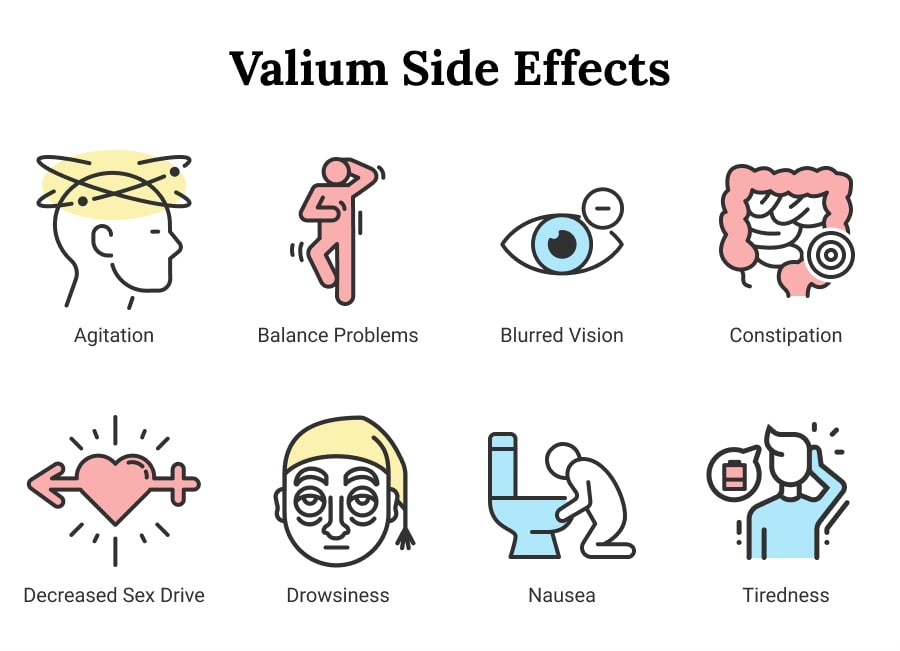
Beyond well-known drowsiness and dizziness, diazepam brings a constellation of side effects affecting your entire system. Indeed, gastrointestinal complications rank among the most common complaints from users.
Does Valium Cause Constipation?
Absolutely. Can Valium cause constipation? Without question. Diazepam slows your central nervous system, which sounds helpful for anxiety—but your digestive tract gets the same message. Consequently, your intestinal muscles relax too much, slowing waste movement through your system. Many users report this uncomfortable effect within days of treatment. [3]
Moreover, the medication affects your autonomic nervous system, which controls involuntary functions like digestion. Studies indicate benzodiazepines can decrease gastric motility, leading to delayed emptying and reduced bowel movements. For some individuals, constipation persists throughout treatment.
The digestive issues don’t stop there. Does Valium cause diarrhea? Paradoxically, yes—some users experience the opposite problem. Similarly, many wonder, “does Valium make you nauseous?” Frequently yes, particularly when starting treatment or adjusting dosages. Other effects include abdominal cramping, appetite changes, and alternating constipation and diarrhea.
Additional concerns extend beyond your gut. Does Valium cause headaches? Certainly—tension headaches are commonly reported. Valium side effects next day often include grogginess, brain fog, and physical weakness interfering with daily activities. [4]
Key Side Effects:
- Drowsiness and fatigue
- Muscle weakness and coordination problems
- Blurred vision and slurred speech
- Memory problems and confusion
- Mood swings and irritability
Is Valium Dangerous?
The question isn’t whether Valium is dangerous—it’s under what circumstances it becomes hazardous. When prescribed appropriately and used as directed, diazepam serves legitimate medical purposes. However, the medication carries substantial risks that escalate with misuse, long-term use, or certain health conditions.
[Insert image showing warning signs of Valium danger here]
Is Valium bad for your liver? This concern deserves serious attention. Diazepam undergoes extensive hepatic metabolism, meaning your liver works overtime to process it. Individuals with pre-existing liver conditions face heightened risks of drug accumulation and adverse effects. [5] Consequently, anyone with liver disease should approach Valium with extreme caution. The medication also poses particular dangers when combined with alcohol or opioids, creating potentially fatal respiratory depression.
Valium Addiction
Here’s the uncomfortable truth: Valium’s calming effects can transform from therapeutic to treacherous faster than most realize. The progression from prescription to problem isn’t always obvious—it creeps in quietly, disguised as legitimate use. Nevertheless, benzodiazepine dependency statistics paint a sobering picture.
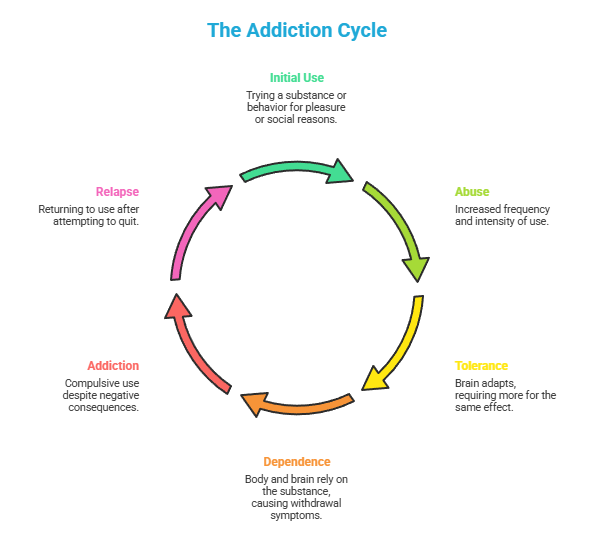
Addiction develops through both physical and psychological mechanisms. Your brain adapts to the medication’s presence, requiring increasingly larger doses for the same effect. This tolerance builds remarkably quickly, sometimes within weeks. Meanwhile, your mind associates relief with the pill, creating psychological dependence that feels impossible to break.
Signs of Valium Addiction:
- Taking larger doses than prescribed
- Doctor shopping for multiple prescriptions
- Experiencing cravings between doses
- Continuing use despite negative consequences
- Neglecting responsibilities and relationships
- Failed attempts to cut back
Valium addiction side effects compound the medication’s already concerning profile. Chronic use alters brain chemistry, potentially causing long-term cognitive impairment, memory problems, and emotional instability.[6] Moreover, social and financial consequences can devastate lives, relationships, and careers.
Valium Withdrawal Symptoms
Stopping Valium isn’t like quitting coffee—it’s potentially life-threatening, which makes medical supervision absolutely essential. Benzodiazepine withdrawal ranks among the most dangerous detoxification processes, comparable to alcohol withdrawal in severity. Therefore, anyone considering discontinuing Valium must work closely with healthcare professionals.
Withdrawal symptoms typically emerge within 24-48 hours after the last dose, though Valium’s long half-life means symptoms might appear more gradually. Severity depends on dosage amount, duration of use, individual physiology, and other substances involved. Acute symptoms typically peak within the first two weeks, but post-acute withdrawal syndrome (PAWS) can persist for months.
Withdrawal Symptoms Include:
- Severe anxiety and panic attacks
- Tremors and muscle spasms
- Rapid heartbeat and increased blood pressure
- Nausea, vomiting, and headaches
- Intense anxiety and depression
- Concentration difficulties
- Insomnia and sensitivity to light/sound
- Seizures (most dangerous complication)
Medical detoxification provides crucial safety and comfort. Healthcare professionals typically implement a gradual tapering schedule, slowly reducing dosage over weeks or months. This approach minimizes withdrawal severity while maintaining safety. Additionally, they can prescribe supportive medications and provide 24/7 monitoring for complications.
Valium Overdose
Overdosing on Valium represents a medical emergency requiring immediate intervention. While diazepam alone is less likely to cause fatal overdose compared to opioids, the risk skyrockets when combined with other central nervous system depressants. Indeed, the majority of benzodiazepine-related deaths involve polysubstance use, particularly with alcohol or opioids.
[Insert image showing overdose warning signs here]
Overdose Warning Signs:
- Extreme drowsiness or inability to wake
- Severe confusion or disorientation
- Slowed or difficulty breathing
- Bluish lips or fingernails
- Weak pulse and loss of consciousness
Recognizing overdose symptoms quickly can save lives. If someone exhibits these signs, call 911 immediately. While waiting for emergency services, keep the person awake if possible, monitor their breathing, and place them in the recovery position if unconscious. Treatment typically involves supportive care and, in some cases, flumazenil administration—though this must be used cautiously as it can precipitate severe withdrawal in dependent individuals.
Find Valium Addiction Treatment in California
At Spark To Recovery, we understand that reaching out for help takes courage—courage you already possess by reading this article. Our California-based treatment center specializes in benzodiazepine addiction, offering comprehensive programs designed around your unique needs. Moreover, we recognize that Valium dependency often intertwines with underlying anxiety disorders, chronic pain, or other substance use issues.

Our evidence-based treatment approach combines medical detoxification with therapeutic interventions addressing both physical dependence and psychological aspects of addiction. We provide 24/7 medically supervised detoxification, medication-assisted treatment when appropriate, individual and group therapy sessions, cognitive-behavioral therapy (CBT), dialectical behavior therapy (DBT), family therapy programs, and holistic wellness activities.
Recovery doesn’t mean suffering through withdrawal alone or white-knuckling cravings. It means accessing professional support, evidence-based treatment, and a community understanding your experience. Furthermore, we work with most major insurance providers to make treatment accessible. The journey from dependency to freedom isn’t always linear, and setbacks don’t mean failure. Rather, they’re opportunities to strengthen recovery skills and deepen self-understanding.
Don’t let constipation, dependence, or any other Valium-related concern continue controlling your life. Recovery is possible, and it starts with a single phone call.
Frequently Asked Questions
How long does Valium stay in your system?
Valium has an exceptionally long half-life of 20 to 100 hours, meaning it takes that long for half the dose to leave your body. However, the medication’s active metabolites can remain detectable for several weeks after your last dose. Consequently, effects can linger much longer than you might expect, and drug tests can identify diazepam use for up to 6 weeks.
Can I take laxatives for Valium-induced constipation?
While over-the-counter laxatives can provide temporary relief, you should consult your healthcare provider before adding any medication to your regimen. Diazepam can interact with various substances, and some laxatives might affect how your body processes the medication. Additionally, chronic laxative use can create dependence and worsen digestive problems long-term.
Is it safe to stop taking Valium cold turkey?
Absolutely not. Stopping Valium abruptly can trigger life-threatening withdrawal symptoms, including seizures. Benzodiazepine withdrawal requires medical supervision and a carefully structured tapering schedule. Never attempt to quit Valium without consulting a healthcare professional who can create a safe discontinuation plan.
Does everyone experience constipation on Valium?
Not everyone develops constipation from diazepam, but it’s among the most commonly reported side effects. Individual responses vary based on dosage, duration of use, overall health, diet, and other medications. Some people experience significant digestive changes, while others notice minimal effects.
How quickly does Valium addiction develop?
Physical dependence can develop within 2-4 weeks of regular use, even at prescribed doses. However, addiction—characterized by compulsive use despite negative consequences—develops differently for each person. Risk factors include higher doses, longer duration of use, personal or family history of addiction, and underlying mental health conditions. Some individuals develop problematic use within weeks, while others use the medication appropriately for years.
Sources
[1] StatPearls – Diazepam – https://www.ncbi.nlm.nih.gov/books/NBK537022
[2] Cleveland Clinic – Diazepam Tablets – https://my.clevelandclinic.org/health/drugs/20942-diazepam-tablets
[3] MedlinePlus – Benzodiazepine Overdose – https://medlineplus.gov/ency/article/002629.htm
[4] NHS – Side Effects of Diazepam – https://www.nhs.uk/medicines/diazepam/side-effects-of-diazepam
[5] NHS – Who Can and Cannot Take Diazepam – https://www.nhs.uk/medicines/diazepam/who-can-and-cannot-take-diazepam/
[6] Mayo Clinic – Diazepam Description – https://www.mayoclinic.org/drugs-supplements/diazepam-oral-route/description/drg-20072333

Laura A. Fierro, Ph.D., LMFT
Board-Certified Physician in Internal Medicine