

⚠️Visitors to our site are often searching for information because they, their best friend, or a family member has unfortunately fallen into use of dangerous substances. If you or a loved one has fallen ill to substance abuse, we protect people from the dangers and provide medically assisted treatment to encourage lasting recovery! ⚠️
Call our admissions department at (855) 855-6544 or verify your insurance here to get immediate substance abuse help for yourself or a loved one.
TL;DR
Heroin is a highly addictive illegal opioid that causes intense euphoria followed by dangerous health consequences. Short-term effects include respiratory depression; long-term use leads to organ damage, infection, and dependence. Overdose is a constant risk, especially with fentanyl-laced supplies. Effective treatments — including medication-assisted treatment (MAT), detox, and behavioral therapy — are available and life-changing.
Introduction
Heroin doesn’t announce itself quietly. It enters a person’s life with a rush of artificial warmth, then systematically dismantles everything in its path. Understanding what heroin is, how it works, and what treatment looks like is the first real step toward breaking free from its grip.

What is Heroin?
Heroin is an illicit opioid drug synthesized from morphine, a naturally occurring compound extracted from the seed pod of opium poppy plants. According to the National Institute on Drug Abuse (NIDA), heroin belongs to the opioid drug class and binds rapidly to opioid receptors in the brain and body. Consequently, it produces an intense surge of euphoria that prescription opioids simply can’t replicate at standard doses.
Classified as a Schedule I controlled substance, heroin has no accepted medical use in the United States. Furthermore, its high addiction potential makes even experimental use extraordinarily risky. The CDC notes that heroin use has been closely tied to the broader opioid epidemic gripping the country for decades.
What Does Heroin Look Like?
Heroin typically appears as a white or brownish powder, though it can also be found as a black, sticky substance commonly known as black tar heroin. The color variation depends on where it was produced and what cutting agents were mixed in. Pure heroin tends to be white, while brown heroin and black tar varieties are more common on the street. Street names for heroin reflect these visual characteristics — you’ll often hear it called “brown,” “black tar,” “china white,” or “smack.”
Other common heroin nicknames and slang terms include: dope, junk, H, horse, skag, and “boy.” These heroin slang names are frequently used to disguise conversations about the drug. Knowing these street names for heroin can be critical for parents, partners, and loved ones trying to identify whether someone they care about is in danger.
How is Heroin Used?
Heroin can be injected, snorted, or smoked — all routes that deliver the drug rapidly to the brain. Injection remains the most common method among people with severe heroin addiction, as it produces the fastest and most intense effect. However, snorting and smoking heroin are also widespread, particularly among newer users who may not yet associate the drug with needles. NIDA’s research confirms that all methods of use carry significant addiction and overdose risk, regardless of how the drug enters the body.
What are the Short- and Long-Term Effects of Heroin?
Short-Term Effects
The immediate effects of heroin hit fast and hard. According to NIDA, the short-term effects of heroin use include:
- A surge of intense euphoria (“rush”)
- Warm flushing of the skin
- Heavy feeling in the arms and legs
- Dry mouth
- Nausea and vomiting
- Severe itching
- Clouded mental function
- Alternating drowsy and wakeful states (“on the nod”)
- Slowed heart rate and breathing
Importantly, the slowing of respiration is one of the most dangerous short-term effects of heroin — it’s the primary mechanism behind fatal overdoses.
Long-Term Effects
Over time, the toll heroin takes on the body compounds dramatically. NIDA’s research on long-term heroin effects highlights the following consequences of prolonged use:
- Insomnia and disrupted sleep cycles
- Collapsed veins (in those who inject)
- Infection of the heart lining and valves (endocarditis)
- Constipation and stomach cramping
- Liver and kidney disease
- Pneumonia and other lung complications
- Sexual dysfunction in men
- Irregular menstrual cycles in women
- Brain damage affecting decision-making and impulse control
- Heroin effects on brain chemistry that alter the brain’s reward system long after use stops
Additionally, long-term heroin use profoundly rewires the brain’s structure and function, making recovery both necessary and challenging.
Additional Heroin Risks
Beyond the direct effects of heroin, the circumstances of its use introduce additional dangers. Because heroin is unregulated, users often have no idea what’s actually in the substance they’re buying. The contamination of the heroin supply with fentanyl — a synthetic opioid roughly 50 times more potent — has made each use an unpredictable gamble.
NIDA’s report on medical complications outlines further risks associated with chronic heroin use, including:
- HIV and hepatitis B and C (from shared needles)
- Skin abscesses and soft tissue infections
- Track marks and vein damage
- Spontaneous abortion in pregnant women
- Neonatal abstinence syndrome in babies born to people using heroin
- Co-occurring mental health conditions (depression, anxiety, PTSD)
Moreover, the social consequences — broken relationships, job loss, financial ruin, legal trouble — accumulate rapidly and are often as devastating as the physical health effects.
Can Someone Overdose on Heroin?
Yes — and with alarming frequency. A heroin overdose occurs when the drug overwhelms the central nervous system, suppressing breathing to a life-threatening degree. Signs of a heroin overdose include:
- Slow, shallow, or stopped breathing
- Blue or grayish lips and fingertips (cyanosis)
- Unresponsiveness
- Pinpoint pupils
- Gurgling or choking sounds
- Limpness of the body
Since fentanyl-laced heroin has become widespread, overdoses can occur even in people with high tolerance. Furthermore, after a period of abstinence — such as after leaving jail or completing detox — the risk of fatal overdose surges because tolerance has dropped significantly.
How Can a Heroin Overdose be Treated?
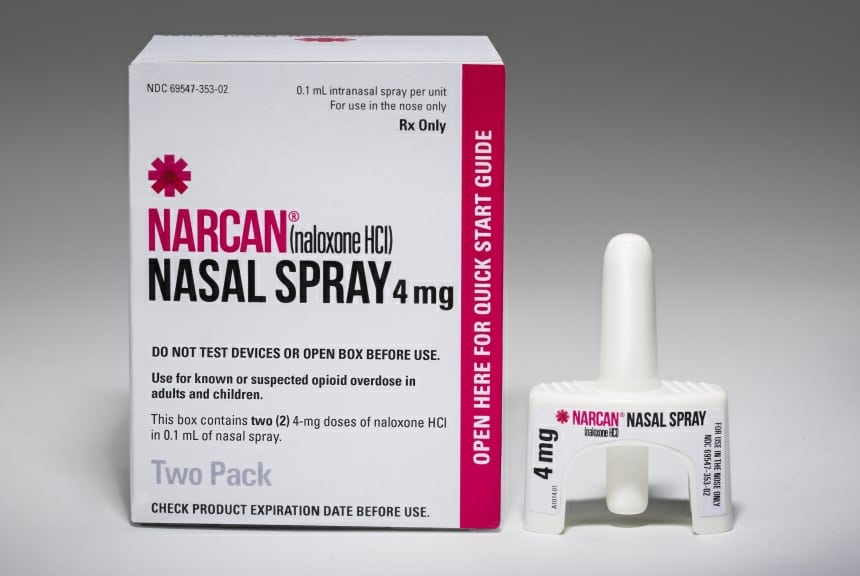
Naloxone (commonly known by the brand name Narcan) is a medication that rapidly reverses an opioid overdose. It binds to opioid receptors and blocks heroin’s effects, restoring normal breathing within minutes. Naloxone is available without a prescription at most pharmacies across the United States, and first responders carry it routinely.
If you suspect someone is overdosing on heroin, call 911 immediately. Administer naloxone if it’s available. Then, keep the person on their side (recovery position) to prevent choking until emergency services arrive. Good Samaritan laws in most U.S. states provide legal protection to those who call for help during an overdose — so don’t hesitate.
Heroin Addiction, Withdrawal, and Detox
Understanding Heroin Dependence
Regular heroin use changes the brain’s chemistry in fundamental ways. Over time, the brain stops producing its own natural opioids, becoming entirely dependent on the external supply. Physical and psychological dependence develop rapidly — sometimes within days of consistent use.
Heroin Withdrawal Symptoms
When someone dependent on heroin stops using, heroin withdrawal symptoms emerge within hours. These symptoms are intense, deeply uncomfortable, and — while rarely fatal on their own — are a major driver of relapse. Common heroin withdrawal symptoms include:
- Intense cravings
- Muscle aches and pain
- Insomnia and restlessness
- Cold sweats and chills
- Nausea, vomiting, and diarrhea
- Anxiety and agitation
- Goosebumps and involuntary leg movements (“kicking”)
Heroin withdrawal typically peaks around 48–72 hours after the last use and begins to ease within a week. However, psychological cravings and low-grade symptoms can persist for weeks or even months.
Medical Detox
Trying to get through heroin withdrawal alone — known colloquially as “kicking heroin” — is not only miserable but also dangerous. Medical detox provides around-the-clock supervision, comfort medications, and immediate intervention if complications arise. It’s the foundation of any effective heroin addiction treatment plan. How long it takes to detox from heroin varies by individual, but a medically supervised detox typically spans five to ten days.
Heroin Addiction Treatment
Effective heroin addiction treatment is not one-size-fits-all. Rather, the most successful approaches combine medical intervention with behavioral therapy and long-term support. NIDA outlines several evidence-based treatments for heroin use disorder:
Medication-Assisted Treatment (MAT) MAT uses FDA-approved medications to manage withdrawal and reduce cravings:
- Methadone — a long-acting opioid agonist used under strict supervision at a heroin detox center
- Buprenorphine (Suboxone) — a partial opioid agonist that reduces cravings with lower abuse potential
- Naltrexone (Vivitrol) — an opioid antagonist that blocks heroin’s effects entirely
Behavioral Therapies MAT works best when paired with structured therapy. Proven approaches for heroin addiction treatment include:
- Cognitive Behavioral Therapy (CBT)
- Dialectical Behavioral Therapy (DBT)
- Contingency management
- Motivational interviewing
- Family therapy
Heroin addiction treatment near you will typically offer a combination of these modalities within residential or outpatient settings. Heroin rehab programs vary in length and intensity, but research consistently shows that longer engagement in treatment improves outcomes.
Finding Treatment at Spark To Recovery
Recovery from heroin is not a matter of willpower — it’s a medical process that requires expert support. At Spark To Recovery, we offer a full continuum of care for individuals struggling with heroin addiction, from medically supervised detox through residential treatment and beyond. Our Los Angeles-based heroin rehab center pairs evidence-based clinical treatment with holistic therapies including CBT, DBT, yoga, meditation, and nutritional support — because healing the whole person matters.
Our team understands that taking the first step is the hardest part. Whether you’re considering heroin addiction treatment for yourself or a loved one, we’re here to help you navigate every stage of the journey. Contact us today to speak with a compassionate admissions specialist and learn more about our heroin rehab program.

Frequently Asked Questions
1. How long does heroin stay in your system? Heroin itself metabolizes quickly — typically within 30 minutes — but its metabolites can be detected in urine for 1 to 3 days. In heavy, long-term users, how long heroin stays in your urine can extend up to a week. Blood tests detect it for a shorter window, while hair follicle tests can identify past use for up to 90 days.
2. What are the street names for heroin? Street names for heroin include smack, dope, H, horse, junk, boy, brown, black tar, china white, and skag. These heroin slang names are used to disguise references to the drug in everyday conversation.
3. What are the signs of heroin withdrawal? Heroin withdrawal symptoms include muscle pain, cold sweats, nausea, vomiting, diarrhea, insomnia, severe cravings, and anxiety. These typically begin within 6–12 hours of the last dose and peak around 48–72 hours.
4. Is heroin addiction treatable? Absolutely. Heroin addiction treatment combines medication-assisted treatment, behavioral therapy, and peer support. Thousands of people achieve lasting recovery every year with the right heroin addiction treatment center and support system behind them.
5. What should I do if someone is overdosing on heroin? Call 911 immediately. If naloxone (Narcan) is available, administer it right away. Place the person in the recovery position and stay with them until emergency help arrives. Do not leave them alone.
Sources
[1] Centers for Disease Control and Prevention. Heroin. CDC Overdose Prevention. — https://www.cdc.gov/overdose-prevention/about/heroin.html?CDC_AAref_Val=https://www.cdc.gov/opioids/basics/heroin.html
[2] National Institute on Drug Abuse. What is heroin? NIDA Research Reports. — https://nida.nih.gov/publications/research-reports/heroin/what-heroin
[3] National Institute on Drug Abuse. Heroin. NIDA Drugs A to Z. — https://nida.nih.gov/research-topics/drugs-a-to-z#heroin
[4] National Institute on Drug Abuse. What are the immediate (short-term) effects of heroin use? NIDA Research Reports. — https://nida.nih.gov/publications/research-reports/heroin/what-are-immediate-short-term-effects-heroin-use
[5] National Institute on Drug Abuse. What are the long-term effects of heroin use? NIDA Research Reports. — https://nida.nih.gov/publications/research-reports/heroin/what-are-long-term-effects-heroin-use
[6] National Institute on Drug Abuse. What are the medical complications of chronic heroin use? NIDA Research Reports. — https://nida.nih.gov/publications/research-reports/heroin/what-are-medical-complications-chronic-heroin-use
[7] National Institute on Drug Abuse. What are treatments for heroin use disorder? NIDA Research Reports. — https://nida.nih.gov/publications/research-reports/heroin/what-are-treatments-heroin-use-disorder