

⚠️Visitors to our site are often searching for information because they, their best friend, or a family member has unfortunately fallen into use of dangerous substances. We aim to provide educational information like Drug Detox but more importantly, we protect people from the dangers of all forms of substance abuse! ⚠️
Call our admissions department at (855) 855-6544 or verify your insurance here to get immediate substance abuse help for yourself or a loved one.
Introduction
There’s something seductive about the ritual—a cigarette dangling between your fingers as you tip back a drink, the smoke and spirits mingling in a dance as old as dive bars and rooftop parties. It’s the combination that built countless film noir scenes and late-night conversations. But beneath this culturally romanticized pairing lies a biochemical reality that’s far less glamorous: nicotine and alcohol don’t just share space in your system—they conspire against your health in ways that multiply their individual dangers exponentially.

What Do Alcohol and Tobacco Have in Common?
Both nicotine and alcohol manipulate your brain’s reward system, fundamentally altering how you process dopamine. Research shows that approximately 80-95% of individuals with alcohol use disorder also use tobacco products. [1] This isn’t coincidence—it’s biology.
Key similarities include:
- Both trigger dopamine release in the brain’s reward centers
- Each substance is highly addictive and alters brain chemistry
- They share overlapping genetic and environmental risk factors
- Both dramatically increase cancer and cardiovascular risks
- Using one substance consistently triggers cravings for the other
The Effect of Mixing Alcohol and Tobacco
When you combine alcohol and nicotine, you’re creating an exponential equation that multiplies health risks. The nicotine and alcohol interaction produces a synergistic effect that intensifies intoxication while masking alcohol’s sedative properties—leading you to consume more of both substances than you would independently. [2]
Alcohol enhances nicotine’s stimulant effects while nicotine counteracts alcohol’s depressant qualities, creating a deceptive balance that accelerates your path toward dual dependence.
Signs of Nicotine and Alcohol Use

Recognizing warning signs early can make all the difference. The effects of smoking and drinking at the same time manifest in both obvious and subtle ways:
Physical indicators:
- Persistent cough combined with frequent hangovers
- Yellowed fingers, teeth, and bloodshot eyes
- Shortness of breath during basic activities
- Tremors when unable to access either substance
Behavioral patterns:
- Inability to enjoy social situations without both substances
- Failed attempts to quit either substance independently
- Spending significant money on cigarettes and alcohol
- Concealing the extent of use from loved ones
Psychological symptoms:
- Increased anxiety when unable to smoke or drink
- Mood swings and difficulty concentrating
- Using both substances to cope with stress
- Denial about the severity of dual substance use
What Is Nicotine and Alcohol Withdrawal?
Withdrawal from both substances represents one of recovery’s most challenging aspects. Nicotine withdrawal typically begins within hours, peaking at 2-3 days, while alcohol withdrawal emerges within 6-24 hours and may escalate to life-threatening complications if not medically supervised.
Short and Long-Term Effects of Nicotine and Alcohol Use
Short-Term Effects of Nicotine and Alcohol Use
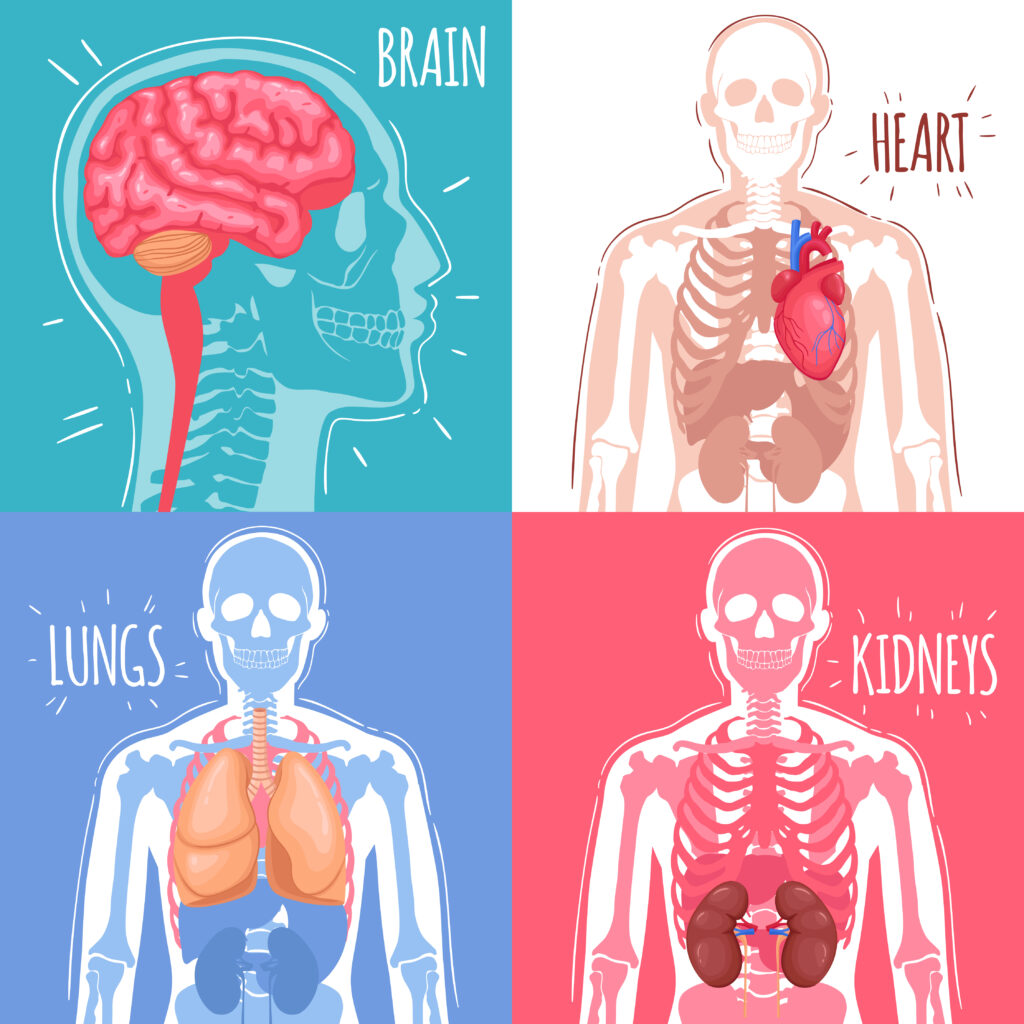
The immediate impact might feel manageable, but beneath the surface, your body is processing this toxic combination:
- Impaired judgment: Nicotine masks alcohol’s sedative effects, causing you to underestimate intoxication levels
- Cardiovascular stress: Both substances spike heart rate and blood pressure simultaneously
- Dehydration: Combined diuretic effects create dangerous electrolyte imbalances
- Weakened immunity: Even short-term use compromises your body’s defenses
- Sleep disruption: Despite alcohol’s sedative properties, nicotine interferes with sleep quality
Long-Term Effects of Nicotine and Alcohol Use
Chronic co-use writes its story on your body in permanent ink:
- Exponentially increased cancer risk: Particularly oral, throat, esophageal, and liver cancers [3]
- Cardiovascular disease: Heart attacks and strokes become significantly more likely
- Respiratory damage: COPD and reduced lung function
- Liver disease: Cirrhosis and fatty liver progress more rapidly
- Cognitive decline: Memory problems and increased dementia risk
- Mental health deterioration: Increased rates of depression and anxiety
What Are the Challenges When Nicotine and Alcohol?
Recovery from dual substance use presents unique obstacles. The CDC reports that co-use significantly complicates treatment outcomes and increases relapse risk. [4]
Primary challenges include:
- Cross-triggering: Alcohol triggers nicotine cravings and vice versa
- Social normalization: Both substances remain widely accepted in social settings
- Withdrawal severity: Managing symptoms from both requires medical expertise
- Treatment complexity: Dual addiction demands specialized, longer treatment approaches
Detoxing from Nicotine and Alcohol
Detoxification represents the critical first step in breaking free from dual dependency. At Spark To Recovery, we understand that attempting detox without medical supervision can be dangerous—particularly with alcohol.
Withdrawal Symptoms for Nicotine and Alcohol
Nicotine withdrawal symptoms:
- Intense cravings lasting for weeks
- Irritability, anxiety, and mood swings
- Difficulty concentrating and “brain fog”
- Increased appetite and insomnia
Alcohol withdrawal symptoms:
- Tremors, nausea, and excessive sweating
- Rapid heartbeat and confusion
- In severe cases: seizures, hallucinations, and delirium tremens
Medical Detox for Nicotine and Alcohol

Medical detoxification at our Los Angeles facility provides the safest pathway through withdrawal. Our clinical team monitors vital signs around the clock, administers medications to ease symptoms, and intervenes immediately if complications arise.
Our medical detox includes:
- 24/7 medical supervision by licensed professionals
- Medication-assisted treatment for symptom management
- Nutritional support and hydration therapy
- Individual assessment and customized protocols
- Immediate transition to comprehensive treatment
Treatment for Nicotine and Alcohol (Inpatient Rehab)
Following detox, our residential treatment program offers the structured environment necessary for healing. Spark To Recovery’s inpatient rehab removes you from triggering environments while providing comprehensive care addressing both substances simultaneously.
Our evidence-based residential program typically runs 30-90 days. During your stay, you’ll participate in individual therapy, group counseling, holistic activities, and life skills training—all designed to build lasting sobriety.
Our residential amenities include:
- Private and semi-private accommodations
- Nutritional therapy and chef-prepared meals
- Pool access, yoga, and meditation
- Fitness facilities and wellness programs
- Family therapy opportunities
Types of Therapies Used in Nicotine and Alcohol

Cognitive Behavioral Therapy (CBT)
CBT helps you identify thought patterns and triggers that drive substance use. You’ll learn to recognize connections between your thoughts, emotions, and behaviors—then develop healthier coping mechanisms.
Through CBT, you’ll master:
- Identifying and challenging distorted thinking patterns
- Developing strategies for managing cravings
- Building healthy responses to stress
- Preventing relapse through advanced planning
Contingency Management
This behavioral therapy rewards positive behaviors—like negative drug tests and therapy attendance—with tangible incentives. Contingency management shows remarkable success in treating substance use disorders by reinforcing healthy choices.
12-Step Programs for Nicotine and Alcohol Recovery
Integration of 12-Step principles provides peer support and spiritual growth. The fellowship found in meetings extends beyond our facility walls, offering support throughout your recovery journey.
When is it Time to Enter Rehab?
Consider these indicators:
- You’ve tried quitting multiple times without success
- Your use negatively impacts relationships, work, or health
- You experience withdrawal symptoms when unable to access substances
- You need increasing amounts to achieve the same effects
- Family members have expressed concern about your habits
Research is unequivocal: co-use of alcohol and tobacco significantly increases your risk of cancer, cardiovascular disease, and early mortality. [5] But it’s never too late to rewrite your story.
At Spark To Recovery, we’ve witnessed countless individuals break free from dual addiction. Our comprehensive residential program, located in Los Angeles, accepts most private insurance and offers the personalized care you deserve.
Frequently Asked Questions – FAQs
Current research supports simultaneous treatment for both substances. Quitting together prevents cross-triggering effects and often produces better long-term outcomes under proper medical supervision.
Acute nicotine withdrawal peaks within 2-3 days and subsides within 2-4 weeks. Alcohol withdrawal lasts 5-7 days, with post-acute symptoms continuing for months. Our medical team tailors detox timelines to your specific needs.
Individuals who address both substances simultaneously actually have higher long-term success rates. The key lies in having proper therapeutic support and comprehensive coping strategies.
Most private insurance plans now cover substance abuse treatment, including dual diagnosis care. Our team works directly with your provider to determine coverage.
Relapse doesn’t mean failure—it’s often part of recovery. What matters is how quickly you respond. Our alumni program provides ongoing support for maintaining sobriety.
References
[1] Hasin, D. S., & Grant, B. F. (2015). The National Epidemiologic Survey on Alcohol and Related Conditions (NESARC) Waves 1 and 2: review and summary of findings. – https://pmc.ncbi.nlm.nih.gov/articles/PMC6527043
[2] U.S. Department of Health and Human Services. (n.d.). Alcohol & Smoking. Smokefree.gov. – https://smokefree.gov/challenges-when-quitting/cravings-triggers/alcohol-smoking
[3] Pelucchi, C., Gallus, S., Garavello, W., Bosetti, C., & La Vecchia, C. (2012). Alcohol and tobacco use, and cancer risk for upper aerodigestive tract and liver. – https://pmc.ncbi.nlm.nih.gov/articles/PMC3377362
[4] Cornelius, M. E., Loretan, C. G., Jamal, A., et al. (2022). Tobacco Product Use Among Adults — United States, 2021. MMWR Surveillance Summaries. – https://www.cdc.gov/mmwr/volumes/71/su/su7103a2.htm
[5] National Cancer Institute. (n.d.). Co-use of Tobacco, Alcohol, and Cannabis. – https://cancercontrol.cancer.gov/brp/tcrb/co-use-tobacco-alcohol-cannabis

Laura A. Fierro, Ph.D., LMFT
Board-Certified Physician in Internal Medicine