

⚠️Visitors to our site are often searching for information because they, their best friend, or a family member has unfortunately fallen into use of dangerous substances. We aim to provide educational information like “Is Cocaine an Opioid” but more importantly, we protect people from the dangers of all forms of substance abuse! ⚠️
Call our admissions department at (855) 855-6544 or verify your insurance here to get immediate substance abuse help for yourself or a loved one.
Introduction
The white powder that’s destroyed countless lives operates nothing like its chemical cousins—yet confusion persists. Many people still wonder whether cocaine falls into the same category as opioids, a misunderstanding that can have fatal consequences. Understanding what cocaine actually is, moreover, how it differs from other substances becomes critical when lives hang in the balance. This clarity isn’t just academic—it’s lifesaving information that could help you or someone you love recognize danger before it’s too late.
What Is Cocaine?
Cocaine emerged from the coca plant’s leaves centuries ago in South America. Today, it’s transformed into a crystalline white powder that dominates emergency rooms across America. Unlike medications that calm the body, however, cocaine does the opposite—it supercharges your nervous system into overdrive.
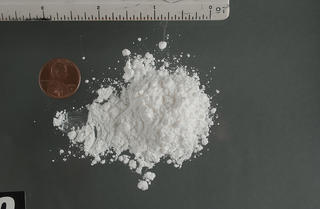

The drug works by hijacking your brain’s reward pathway. Specifically, cocaine blocks dopamine reuptake, flooding your synapses with feel-good chemicals. This surge creates that infamous high, yet it simultaneously rewires your brain’s chemistry. Furthermore, cocaine comes in two primary forms:
- Powder cocaine: Typically snorted through the nose or dissolved and injected intravenously
- Crack cocaine: A smokable form that produces more intense, albeit shorter-lived effects
According to research from the National Institute on Drug Abuse, cocaine is classified as a Schedule II controlled substance. [1] This classification recognizes both its high abuse potential and limited medical applications. The stimulant properties trigger immediate physiological changes—elevated heart rate, constricted blood vessels, and increased body temperature.
Is Cocaine an Opioid?
Here’s where misconceptions get dangerous. Cocaine is absolutely not an opioid. While both substances can kill you, they operate through completely different mechanisms in your body. Understanding this distinction could save your life, particularly in an era where cocaine frequently contains deadly fentanyl.
Opioids—like heroin, fentanyl, or prescription painkillers—are depressants. They slow down your central nervous system, inducing relaxation and euphoria while suppressing pain. In stark contrast, cocaine is a stimulant that accelerates everything. Your heart races rather than slows. Energy spikes instead of mellows. The cocaine intoxication symptoms you experience sit on the complete opposite end of the pharmacological spectrum.
This matters profoundly because naloxone (Narcan) reverses opioid overdoses but does nothing for cocaine toxicity. Moreover, many users nowadays encounter cocaine laced with fentanyl, creating a deadly cocktail that requires different emergency interventions. The signs of cocaine use look dramatically different from opioid intoxication—hyperactivity versus sedation, dilated pupils versus pinpoint pupils.
Can You Overdose on Cocaine?
The short answer: absolutely. Cocaine overdose represents one of the most dangerous medical emergencies you can face. Unlike some substances that require massive quantities to prove lethal, cocaine can kill with relatively small amounts, especially when combined with other drugs or in individuals with underlying health conditions.

Can cocaine kill you? Without question. The 2011 data from the Substance Abuse and Mental Health Services Administration documented over 505,000 emergency department visits related to cocaine—translating to 162 visits per 100,000 population. [2] These aren’t just statistics; they’re lives interrupted, families shattered, and futures stolen.
The amount required to overdose varies dramatically between individuals. Factors influencing cocaine overdose include:
- Individual tolerance levels and metabolism
- Method of administration (injection produces more immediate risks)
- Purity and presence of adulterants like fentanyl
- Combination with alcohol, opioids, or other substances
- Underlying cardiovascular or neurological conditions
Research demonstrates that cocaine significantly increases myocardial oxygen demand while simultaneously constricting coronary arteries. [2] This deadly combination can trigger heart attacks even in young, seemingly healthy individuals. Additionally, cocaine toxicity extends beyond the cardiovascular system, wreaking havoc on your brain, kidneys, and other vital organs.
What Are the Signs of Cocaine Overdose?
Recognizing cocaine overdose symptoms quickly can mean the difference between life and death. Unlike slower-developing medical emergencies, cocaine toxicity escalates rapidly—sometimes within minutes of use. The signs of overdose progress through distinct stages, though not everyone experiences them linearly.
Stage 1 – Early Warning Signs:
- Severe headache and vertigo
- Extreme paranoia and agitation
- Profuse sweating (hyperthermia)
- Rapid heartbeat and elevated blood pressure
- Muscle twitching and tremors
Stage 2 – Advancing Toxicity:
- Seizures and loss of muscle control
- Cardiac arrhythmias and chest pain
- Irregular, gasping breathing
- Marked confusion or encephalopathy
Stage 3 – Life-Threatening Crisis:
- Loss of consciousness or coma
- Cardiac arrest or ventricular fibrillation
- Respiratory failure
- Fixed, dilated pupils [2]
The symptoms of cocaine overdose resemble those of heart attacks or strokes. Consequently, anyone experiencing chest pain, difficulty breathing, or altered mental status after cocaine use requires immediate emergency care. Don’t wait to see if symptoms improve—cocaine overdose treatment effectiveness depends on rapid medical intervention.
Furthermore, excited delirium represents a particularly dangerous manifestation. This condition involves extreme agitation, hyperthermia, unusual strength, and incoherent behavior—often preceding sudden death.
What Are the Signs of Coke Addiction?
Addiction doesn’t announce itself with fanfare. Instead, it creeps in through repeated exposure, gradually hijacking your brain’s reward circuitry. The signs of cocaine use and developing dependency manifest across physical, behavioral, and psychological dimensions.

Physical Indicators:
- Chronic nosebleeds and nasal damage from snorting
- Significant weight loss and malnourishment
- Track marks if injecting
- Damaged lungs if smoking crack
- Dilated pupils and increased body temperature
- Restlessness and insomnia
Behavioral Changes:
- Financial problems despite stable income
- Neglecting responsibilities at work or home
- Secretive behavior and social isolation
- Engaging in risky behaviors to obtain cocaine
- Binge patterns followed by periods of exhaustion
Psychological Symptoms:
- Intense cravings that dominate thoughts
- Paranoia and anxiety
- Irritability when unable to use
- Depression during withdrawal periods
- Continued use despite negative consequences
Research indicates that cocaine powerfully activates reward mechanisms, teaching your brain to prioritize drug-seeking above natural rewards like food, relationships, or career success. [1] Over time, tolerance develops—you’ll need increasingly larger doses to achieve the same high. Paradoxically, you may also develop sensitization to cocaine’s toxic effects, meaning smaller amounts can trigger dangerous reactions.
How Is Cocaine Addiction Treated?
While there’s currently no FDA-approved medication specifically for cocaine use disorder, evidence-based behavioral therapies demonstrate remarkable effectiveness. Treatment approaches combine psychological interventions with comprehensive support systems, addressing the physical, emotional, and social dimensions of addiction.
Cognitive-Behavioral Therapy (CBT): This gold-standard approach helps you identify triggers, develop coping strategies, and challenge thought patterns that fuel substance use. CBT teaches practical skills for navigating high-risk situations. Moreover, computerized CBT programs now supplement traditional counseling, providing accessible support between sessions.
Contingency Management: This evidence-based strategy uses positive reinforcement—vouchers or tangible rewards—for maintaining abstinence. Research shows contingency management particularly benefits pregnant women and individuals with young children struggling with cocaine use disorder. [1]
Therapeutic Communities: Residential treatment programs lasting 6-12 months provide structured environments where individuals support each other’s recovery. These communities address not just addiction but also employment, legal, and mental health needs simultaneously.
Comprehensive Care Components:
- Medical detoxification and stabilization
- Individual and group counseling
- Family therapy to repair relationships
- Dual diagnosis treatment for co-occurring mental health conditions
- Vocational rehabilitation and life skills training
- Relapse prevention planning and aftercare support
The path to recovery isn’t linear. Research demonstrates that people committed to abstinence, who engage in self-help behaviors and maintain belief in their ability to stay sober, achieve better long-term outcomes. [1] Aftercare—ongoing support after initial treatment—reinforces these protective factors while addressing vulnerabilities that might trigger recurrence.
Cocaine Addiction Treatment at Spark To Recovery
At Spark To Recovery, we understand that cocaine addiction doesn’t just affect you—it impacts everyone who loves you. That’s precisely why our Los Angeles treatment center takes a comprehensive, individualized approach to recovery. We don’t believe in one-size-fits-all solutions because your journey toward healing is uniquely yours.
Our evidence-based treatment programs combine medical expertise with compassionate care:
- Personalized Treatment Plans: We assess your specific needs, co-occurring conditions, and life circumstances to create a roadmap for recovery
- Dual Diagnosis Support: Many individuals struggling with cocaine addiction also face mental health challenges—we treat both simultaneously
- Family Involvement: Addiction is a family disease; therefore, we provide resources and counseling for loved ones
- Continuum of Care: From detox through residential treatment to outpatient services, we support you at every stage
- Holistic Therapies: Alongside traditional approaches, we incorporate nutrition counseling, fitness programs, and mindfulness practices
- Aftercare Planning: Recovery extends beyond our facility—we help you build sustainable support systems for long-term success

Our team recognizes that seeking help takes tremendous courage. Consequently, we’ve created an environment where you can heal without judgment, surrounded by professionals who genuinely care about your wellbeing. Located in the heart of Los Angeles, Spark To Recovery offers both the privacy you need and the expertise your recovery deserves.
Is Cocaine an Opioid – Frequently Asked Questions
Cocaine typically disappears from your bloodstream within 24 hours, but its metabolite (benzoylecgonine) can persist in urine for several weeks. Detection windows vary based on usage patterns, metabolism, and testing methods.
Yes, absolutely. Sudden death can occur even with first-time use, particularly if you have undiagnosed heart conditions or if the cocaine is contaminated with fentanyl. There’s no “safe” amount of cocaine.
Call 911 immediately. Keep the person calm and cool (cocaine toxicity often involves dangerous hyperthermia). Unlike opioid overdoses, naloxone won’t help with cocaine toxicity. Professional medical intervention is essential.
Both forms are highly addictive, though crack produces more intense, shorter-lived effects that can accelerate addiction development. The delivery method (smoking) allows crack to reach your brain more rapidly, intensifying its reinforcement potential.
While there’s no “cure” per se, cocaine addiction is absolutely treatable. Many individuals achieve long-term recovery through comprehensive treatment and ongoing support. Addiction becomes a manageable condition rather than an insurmountable obstacle.
Conclusion
Cocaine’s classification as a stimulant—not an opioid—doesn’t make it any less deadly. The distinctions matter because they inform treatment approaches, emergency responses, and harm reduction strategies. What remains universal, however, is this truth: cocaine addiction steals futures, and cocaine overdose kills indiscriminately.
Understanding the signs of cocaine overdose, recognizing symptoms of addiction, and knowing where to find help constitute powerful tools for survival. If you or someone you love struggles with cocaine use, tomorrow isn’t guaranteed—but recovery is possible today.
Don’t let cocaine write the final chapter of your story. The professionals at Spark To Recovery stand ready to help you reclaim your life, rebuild your relationships, and rediscover your purpose. Because you deserve more than survival—you deserve to thrive.
References
[1] National Institute on Drug Abuse. (2025). Cocaine Drug Facts. – https://nida.nih.gov/research-topics/cocaine
[2] Richards, J. R., & Le, J. K. (2024). Cocaine Toxicity. In StatPearls. StatPearls Publishing. – https://www.ncbi.nlm.nih.gov/books/NBK430976
[3] U.S. Drug Enforcement Administration. (2024). Cocaine Drug Fact Sheet. – https://www.dea.gov/factsheets/cocaine

Laura A. Fierro, Ph.D., LMFT
Board-Certified Physician in Internal Medicine