⚠️Visitors to our site are often searching for information because they, their best friend, or a family member has unfortunately fallen into use of dangerous substances. If you or a loved one has fallen ill to substance abuse, we protect people from the dangers and provide medically assisted treatment to encourage lasting recovery! ⚠️
Call our admissions department at (855) 855-6544 or verify your insurance here to get immediate substance abuse help for yourself or a loved one.
TL;DR
OxyContin and oxycodone contain the same active ingredient but differ in their release mechanisms. Oxycodone provides immediate relief lasting 4-6 hours, while OxyContin’s extended-release formula works for 12 hours. Both carry high addiction risks and require medical supervision. Common effects include pain relief, euphoria, and respiratory depression. Long-term use leads to tolerance, dependence, and severe withdrawal symptoms. Professional treatment at facilities like Spark To Recovery offers evidence-based programs combining medical detox, therapy, and aftercare support to help individuals break free from opioid addiction.
Introduction
The world of prescription painkillers can feel like navigating a maze blindfolded. Moreover, understanding oxycontin vs oxycodone becomes critical when you or someone you love faces addiction challenges. These powerful medications share surprising similarities, yet their differences matter deeply.

Differences Between Oxycodone and OxyContin
When discussing oxycontin vs oxycodone, many people mistakenly believe they’re entirely different drugs. However, the truth reveals a more nuanced relationship. Oxycodone is the active ingredient—the pure opioid compound that delivers pain relief. Meanwhile, OxyContin represents a brand-name, extended-release formulation containing oxycodone. The primary distinction lies in their release mechanisms. Regular oxycodone tablets work immediately, providing quick relief that typically lasts four to six hours. In contrast, OxyContin’s time-release technology extends relief for approximately twelve hours. Consequently, this difference affects dosing schedules and addiction potential significantly.

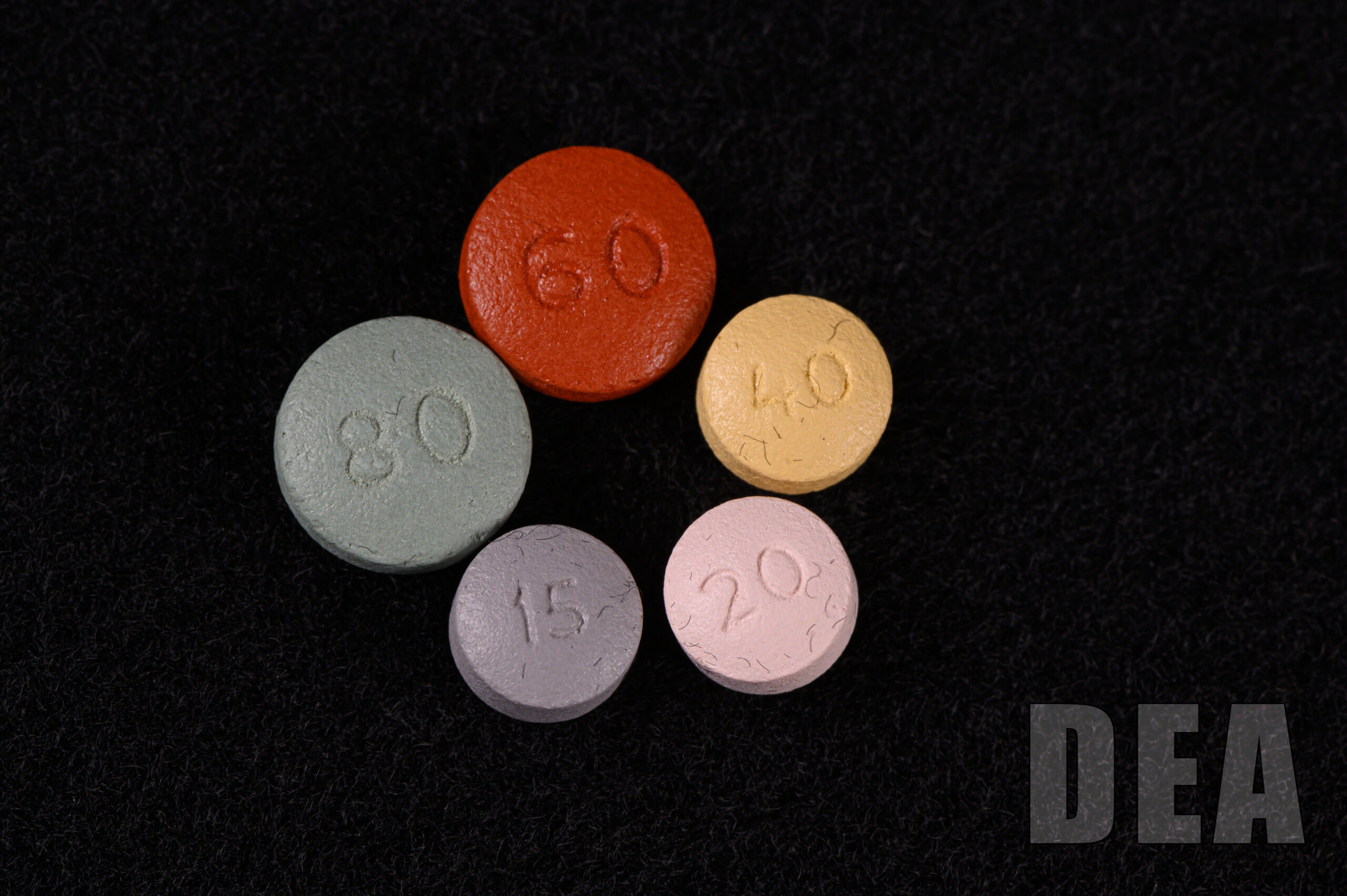
Understanding oxycontin vs oxycodone also involves examining potency levels. OxyContin generally contains higher oxycodone doses per tablet—ranging from 10mg to 80mg. Conversely, immediate-release oxycodone typically comes in smaller doses of 5mg to 30mg. This concentration difference makes OxyContin particularly dangerous when misused. The abuse potential differs markedly between these medications. Furthermore, OxyContin’s extended-release coating was specifically designed to prevent crushing and snorting. Nevertheless, individuals struggling with addiction found ways to bypass these safeguards, allowing them to receive the entire twelve-hour dose instantaneously—a potentially fatal decision.
How Are OxyContin and Oxycodone Similar?
Despite their differences, the comparison of oxycontin vs oxycodone reveals striking similarities. Both medications belong to the opioid class of pain relievers. Additionally, they work by binding to opioid receptors in your brain and nervous system. This mechanism reduces pain perception while simultaneously triggering feelings of euphoria. The chemical foundation remains identical—oxycodone serves as the active component in both. Therefore, their effects on your body mirror each other closely. Both medications carry significant addiction risks, especially with prolonged use. Medical professionals prescribe them for moderate to severe pain management, particularly following surgery or injury.

The question “is oxycodone the same as oxycontin” frequently arises among patients. While they share the same active ingredient, their formulations diverge significantly. Think of it this way: all OxyContin contains oxycodone, but not all oxycodone comes in OxyContin’s extended-release format. Subsequently, this distinction affects how doctors prescribe and monitor these medications. Both drugs require careful medical supervision. Moreover, they’re classified as Schedule II controlled substances by the DEA. This classification acknowledges their legitimate medical purposes while recognizing their high abuse potential. Stopping either medication abruptly can trigger severe withdrawal symptoms, making professional guidance essential.
Immediate Effects That Occur When Using the Drugs Include:
The immediate effects of oxycontin vs oxycodone consumption begin within minutes to hours. Initially, users experience powerful pain relief—the intended therapeutic benefit. However, the medications simultaneously produce a rush of euphoria that many find intensely pleasurable. This sensation occurs as opioids flood your brain’s reward centers with dopamine. Physical relaxation follows quickly. Furthermore, users often describe feeling wrapped in a warm, comfortable blanket. Your breathing naturally slows as the drugs depress your respiratory system. This effect, while sometimes dangerous, contributes to the overall sedative sensation.
Other immediate effects include:
- Drowsiness and mental fog
- Constricted pupils (pinpoint eyes)
- Reduced anxiety levels
- Slowed heart rate
- Decreased blood pressure
- Mild nausea or stomach discomfort
- Feeling disconnected from surroundings
When comparing oxycontin vs oxycodone’s immediate impacts, timing matters. Regular oxycodone hits faster—typically within 20 to 30 minutes. Conversely, OxyContin’s effects develop more gradually over one to two hours. This delayed onset makes OxyContin theoretically less appealing for recreational use, though determined individuals still find ways to abuse it.
Side Effects That Will Occur in Some Individuals Include:
Beyond immediate effects, the oxycontin vs oxycodone discussion must address unwanted side effects. Constipation affects nearly everyone taking these medications regularly. Additionally, this digestive issue can become severe and require additional treatment. Your body doesn’t develop tolerance to this particular side effect. Confusion and difficulty concentrating plague many users. Moreover, these cognitive impairments worsen with higher doses. Operating vehicles or machinery becomes dangerous—sometimes impossible. Memory formation suffers, leaving gaps in your daily recollections. Respiratory depression represents the most dangerous side effect. Essentially, these drugs tell your brain to breathe less frequently. While manageable at prescribed doses, overdose situations can halt breathing entirely. This mechanism causes most opioid-related deaths annually.
[Insert image of warning signs here]
Other troubling side effects include:
- Severe itching without visible rash
- Excessive sweating, particularly at night
- Dry mouth requiring constant hydration
- Headaches and dizziness
- Sleep disturbances and vivid nightmares
- Sexual dysfunction and reduced libido
- Mood swings and emotional instability
The difference between oxycodone and oxycontin regarding side effects remains minimal. However, extended-release formulations sometimes cause more consistent low-level effects throughout the day. In contrast, immediate-release versions create more pronounced peaks and valleys in symptom intensity.
Long-Term Issues With the Use of OxyContin or Oxycodone Include:
Extended use fundamentally alters your brain’s chemistry. Specifically, the oxycontin vs oxycodone debate becomes less relevant as both drugs rewire neural pathways similarly. Your brain begins depending on external opioids to function normally. Consequently, natural endorphin production decreases dramatically. Tolerance develops inexorably with continued use. Furthermore, this means you require increasingly larger doses to achieve the same effects. What started as a therapeutic 10mg dose might escalate to 80mg or higher. This progression frequently leads to dangerous overdose situations. Physical dependence emerges alongside tolerance. Subsequently, attempting to stop without medical supervision triggers brutal withdrawal symptoms. These include severe muscle aches, violent nausea, insomnia, anxiety, and intense drug cravings. Many people return to using simply to escape these unbearable sensations.

Additional long-term complications include:
- Hormonal imbalances affecting multiple body systems
- Weakened immune system function
- Increased infection susceptibility
- Chronic constipation and bowel damage
- Liver and kidney damage
- Cardiovascular problems
- Depression and anxiety disorders
- Social isolation and relationship destruction
- Financial devastation
- Legal troubles and potential incarceration
Answering whether oxycontin vs oxycodone causes worse long-term damage proves difficult. Both medications create similar destruction when misused chronically. However, OxyContin’s higher doses per tablet may accelerate tolerance development. Regardless, both paths lead to the same devastating destination without intervention.
Frequently Asked Questions
Q: Is OxyContin stronger than oxycodone?
OxyContin isn’t inherently stronger—it simply contains oxycodone in extended-release form. However, OxyContin tablets often contain higher total doses (10-80mg) compared to immediate-release oxycodone (5-30mg). Therefore, a single OxyContin pill might contain more oxycodone overall. The strength comparison depends on dosage rather than formulation.
Q: Can you take OxyContin and oxycodone together?
Doctors sometimes prescribe both medications simultaneously. Typically, OxyContin provides baseline pain control throughout the day. Meanwhile, immediate-release oxycodone addresses “breakthrough pain”—sudden pain spikes between OxyContin doses. However, this combination increases overdose risks significantly and requires careful medical monitoring.
Q: Which is more addictive: OxyContin or oxycodone?
Both carry identical addiction potential since they contain the same active ingredient. Nevertheless, immediate-release oxycodone’s faster onset may prove more psychologically addictive. The quick euphoric rush reinforces drug-seeking behavior more powerfully. Conversely, some argue OxyContin’s higher doses per tablet make it more dangerous overall.
Q: How long does withdrawal last from these medications?
Withdrawal timelines vary based on usage duration and dosage levels. Physical symptoms typically peak around 72 hours after the last dose. However, acute withdrawal symptoms generally persist for 7-10 days. Subsequently, post-acute withdrawal syndrome can continue for months, featuring primarily psychological symptoms like depression and cravings.
Q: What’s the difference between OxyContin and Percocet?
Percocet combines oxycodone with acetaminophen (Tylenol). Therefore, it contains the same opioid component but adds a secondary pain reliever. OxyContin and regular oxycodone contain only opioid compounds. Additionally, Percocet comes in immediate-release form, while OxyContin provides extended relief. The acetaminophen addition limits Percocet’s abuse potential somewhat, as excessive doses cause liver damage.
Treatment for Opiate Abuse at Spark To Recovery
Breaking free from the oxycontin vs oxycodone trap requires professional intervention. Fortunately, Spark To Recovery specializes in comprehensive opioid addiction treatment. Our evidence-based programs address both physical dependence and psychological addiction components. Medical detoxification represents your critical first step, where our experienced staff monitors your vital signs continuously and provides medications that ease withdrawal symptoms significantly. Following detox, our therapeutic programs dig deeper into addiction’s root causes through individual counseling, group therapy, and connections with others facing similar struggles.

Our holistic approach recognizes that addiction affects every life aspect. Therefore, we offer family therapy to repair damaged relationships, vocational counseling to rebuild career prospects, and comprehensive aftercare planning to ensure continued support following program completion. The difference between continuing down the path of oxycontin vs oxycodone abuse and reclaiming your life starts with a single decision. Don’t let another day slip away under opioid’s shadow—contact us today and discover how different tomorrow can look.
Sources
[1] MedlinePlus. (2024). Oxycodone. U.S. National Library of Medicine. – https://medlineplus.gov/druginfo/meds/a682132.html
[2] Drug Enforcement Administration. (2024). Oxycodone Drug Facts. U.S. Department of Justice. – https://www.dea.gov/factsheets/oxycodone
[3] Kaye, A. D., Jones, M. R., Kaye, A. M., Ripoll, J. G., Galan, V., Beakley, B. D., Calixto, F., Bolden, J. L., Urman, R. D., & Manchikanti, L. (2017). Prescription Opioid Abuse in Chronic Pain: An Updated Review of Opioid Abuse Predictors and Strategies to Curb Opioid Abuse: Part 1. Pain Physician, 20(2S), S93-S109. – https://www.ncbi.nlm.nih.gov/books/NBK482226/

Laura A. Fierro, Ph.D., LMFT
Board-Certified Physician in Internal Medicine