⚠️Visitors to our site are often searching for information because they, their best friend, or a family member has unfortunately fallen into use of dangerous substances. We aim to provide educational information but more importantly, we protect people from the dangers of all forms of substance abuse! ⚠️
Call our admissions department at (855) 855-6544 or verify your insurance here to get immediate substance abuse help for yourself or a loved one.
Key Points
- Xanax Bars, also known as Alprazolam, come in various colors and shapes, making them easy to spot on the street but dangerously deceptive in their potency—white rectangular ones pack a 2mg punch that can lead to rapid addiction.
- Common street names like “Z-bars,” “Blue footballs,” and “Zannies” highlight how Xanax Bars are glamorized in pop culture, yet they mask severe risks including memory blackouts and life-threatening overdoses when mixed with alcohol or opioids.
- Detoxing from Xanax Bars can be fatal due to potential seizures and withdrawal symptoms that mimic a panic attack on steroids— that’s why medically assisted inpatient rehab is a game-changer for safe recovery.
- Overdose symptoms from Xanax Bars aren’t always dramatic; subtle signs like extreme drowsiness or confusion can escalate quickly, especially in polydrug use, claiming thousands of lives annually.
- At Spark To Recovery, we’ve seen countless individuals turn their lives around by addressing Xanax Bar addiction head-on, proving that with the right support, sobriety isn’t just possible—it’s transformative.
Introduction
We know firsthand how substances like Xanax Bar can sneak into lives, promising quick relief from anxiety but delivering a cycle of dependency that’s hard to escape. As a dedicated drug and alcohol treatment center, we’re committed to shedding light on these issues through our blog, helping you or your loved ones understand the facts and find hope in recovery. Xanax Bar, a form of the prescription medication Alprazolam, is one of the most commonly misused benzodiazepines today. It’s prescribed for anxiety and panic disorders, but its fast-acting effects make it a prime target for abuse. In this article, we’ll dive deep into what Xanax Bars are, how to identify them, the risks involved, and why seeking professional help is crucial. Whether you’re here for information or inspiration, we’re glad you’re taking this step.
What Are Xanax Bars?
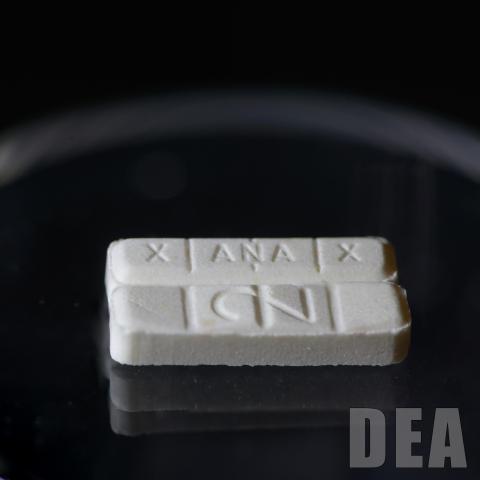
Xanax Bars refer to the rectangular, bar-shaped tablets of Alprazolam, a benzodiazepine medication that’s part of the larger family known simply as “Benzos.” These bars are typically scored into four sections, allowing users to break them into smaller doses, but this design also makes them appealing for recreational use. Manufactured by pharmaceutical companies like Pfizer under the brand name Xanax, these bars deliver a potent dose of Alprazolam, which enhances the activity of GABA, a neurotransmitter that calms the brain and nervous system [2]. This results in rapid relaxation, but it also opens the door to misuse.
From our experience at Spark To Recovery, we’ve treated many individuals who started with a legitimate prescription for anxiety but found themselves escalating doses as tolerance built. Xanax Bars are usually 2mg in strength, making them stronger than lower-dose pills, and they’re often sought after on the street for their euphoric effects. But what seems like a quick fix can quickly spiral—Alprazolam is rapidly absorbed, peaking in the bloodstream within 1-2 hours, which contributes to its high abuse potential [4]. Understanding this basic pharmacology is key to recognizing why Xanax Bars aren’t just another pill; they’re a substance that demands respect and caution.
Common Street Names
On the streets, Xanax Bars go by a variety of catchy, almost playful names that downplay their dangers. Terms like “Bricks,” “Z-bars,” “Bars,” “Zanbars,” and “Zannies” are thrown around in conversations, music lyrics, and social media, making them sound harmless. Other monikers include “Blue footballs” for the blue oval variants and “Upjohn,” referencing an old manufacturer. These names aren’t random—they reflect the pill’s appearance or effects, helping users identify and trade them discreetly.
At Spark To Recovery, we’ve heard these terms from clients who’ve been deep in the cycle of abuse, often starting with sharing pills among friends. It’s alarming how normalized these nicknames have become, especially among younger adults. According to resources on benzodiazepines, street names evolve to evade detection, but they all point to the same risky substance [1]. If you hear these in your circle, it might be a red flag—education is the first line of defense against escalation.
Identifying Xanax Bars (Alprazolam)
Spotting Xanax Bars isn’t just about recognizing the bar shape; it’s about understanding the subtle variations that indicate authenticity and dosage. Genuine Xanax Bars from legitimate sources have specific imprints, like “XANAX” on one side and a number on the other, ensuring they’re not counterfeit. Counterfeits, often laced with fentanyl or other substances, flood the market and amplify risks [3]. From our center’s perspective, knowing how to identify these can prevent accidental overdoses—many clients arrive after unknowingly taking fakes.
Alprazolam comes in various forms beyond bars, including tablets and liquids, but the bar shape is iconic for its 2mg dose. Always check for proper packaging and consult a pharmacist if unsure. Misidentification isn’t just a mistake; it can be life-altering.
Identifying Xanax By Color
Color is a major clue in identifying Xanax pills, as manufacturers use distinct hues to denote different strengths. This system helps prescribers and patients, but it also aids street dealers in marketing. Let’s break it down by common types.
Types of Xanax Bars
Xanax Bars vary widely, but the rectangular ones are the most notorious. White Rectangular Xanax Bars are the classic 2mg form, often imprinted with “XANAX 2” and scored for division. They’re potent and commonly abused due to their high dose.
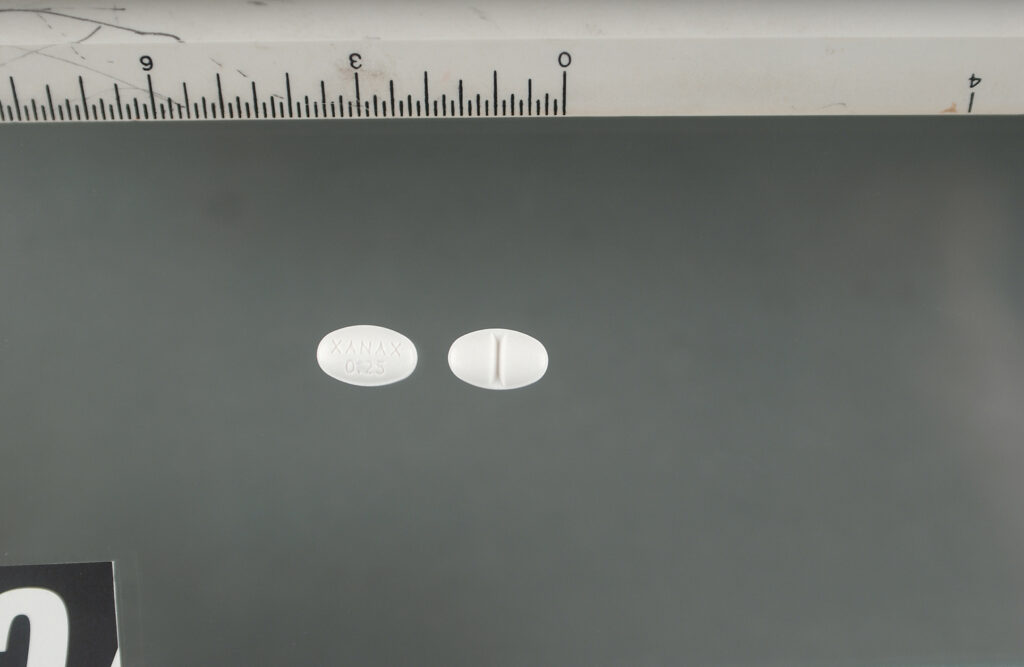
White Oval Xanax, on the other hand, is lower strength—typically 0.25mg with “XANAX 0.25” imprinted. These are for milder anxiety but still carry addiction risks if misused.
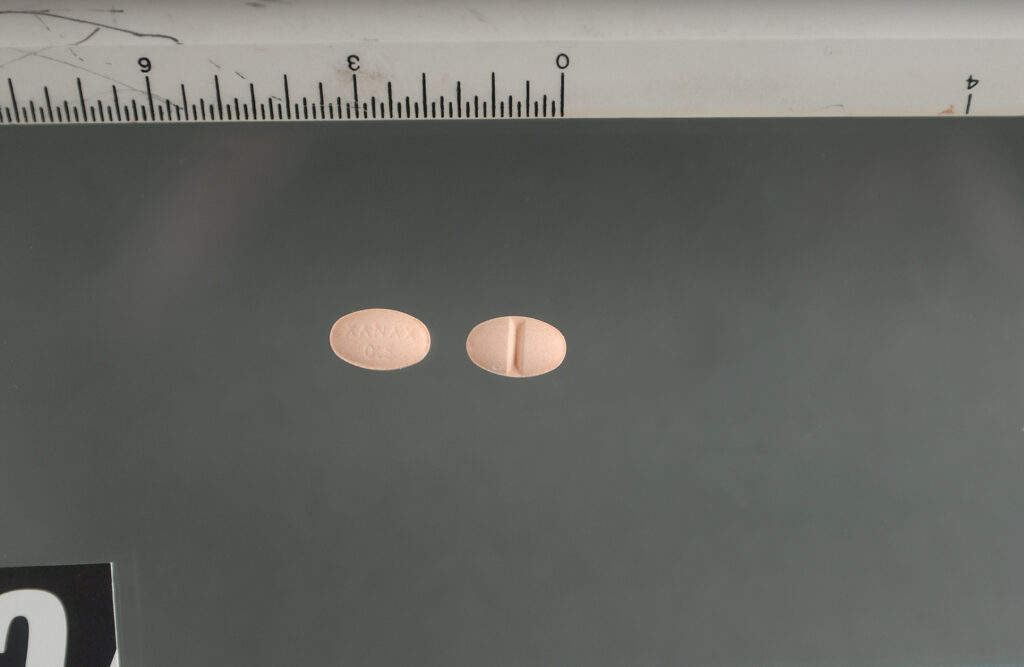
Orange Oval Xanax bumps up to 0.5mg, marked “XANAX 0.5,” and is peach-colored for easy recognition. It’s a step-up dose for those needing more relief.
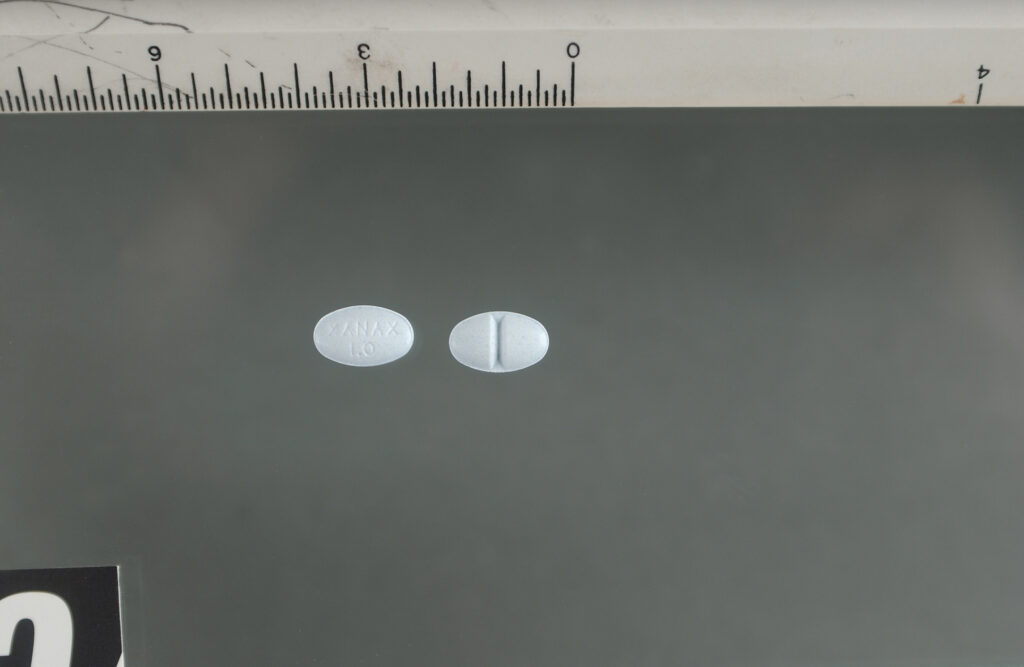
Blue Oval Xanax delivers 1mg, with “XANAX 1.0” on the pill. Nicknamed “Blue footballs” for its shape, it’s popular but dangerous in high quantities.
Oddly-shaped Xanax Pills include triangular or five-sided variants, often in green or other colors, holding up to 3mg. These are less common but highly potent, increasing overdose chances.
From our work at Spark To Recovery, we’ve seen how these visual differences lure people in—colors make them seem approachable, but the effects are anything but.
Xanax Bar Risks
The risks of Xanax Bars extend far beyond relaxation. As a benzodiazepine, Alprazolam can cause drowsiness, dizziness, and impaired coordination, leading to accidents [4]. Long-term use alters brain chemistry, fostering tolerance where higher doses are needed for the same effect. Mixing with alcohol or opioids is particularly hazardous, as it depresses breathing and can lead to coma or death [3].
At our facility, we emphasize that these risks aren’t hypothetical—clients often share stories of blackouts or falls. Benzodiazepine toxicity builds subtly, with symptoms like memory problems and mood swings signaling deeper issues [2].
Xanax Overdose
An overdose on Xanax Bars can happen faster than you think, especially with high-potency bars. Symptoms include profound drowsiness, confusion, and slowed breathing, which can progress to unconsciousness [4]. In 2021, benzodiazepines were involved in nearly 14% of opioid-related overdose deaths, underscoring the peril of combinations [3].
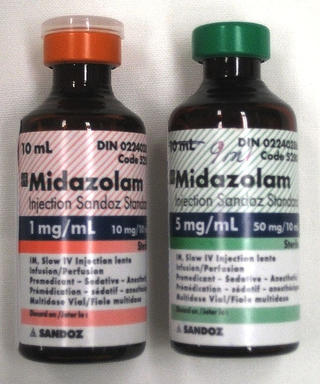
Immediate medical intervention is vital—flumazenil can reverse effects, but only in a clinical setting [2]. We’ve supported many through post-overdose recovery, highlighting how close calls can be turning points.
Symptoms of Alprazolam Overdose
Look for slurred speech, loss of balance, and extreme lethargy as early signs. More severe indicators include shallow breathing and unresponsiveness. If suspected, call 911 immediately—delaying can be fatal [4].
Benzodiazepine Toxicity
Toxicity manifests as ongoing side effects like irritability, nausea, and blurred vision [2]. Chronic exposure leads to organ strain, particularly the liver, where Alprazolam is metabolized [2]. Awareness helps in early intervention.
Xanax Addiction
Xanax addiction creeps in with physical dependence, where the body craves the drug to function normally. Symptoms include compulsive use despite harm, withdrawal anxiety, and neglecting responsibilities. It’s classified as a Schedule IV controlled substance due to this potential [2].
From our viewpoint, addiction isn’t a moral failing—it’s a treatable condition. Many arrive tolerant after months of use, needing structured support to break free.
How Spark To Recovery Can Assist Anyone Abusing This Substance
If you’re battling Xanax Bar abuse, Spark To Recovery is your ally. We offer comprehensive assessments to tailor treatment to your needs, focusing on both the physical and emotional aspects of addiction. Our team of experienced counselors and medical professionals provides 24/7 support, helping you navigate withdrawal and rebuild healthy habits.
We’ve helped countless individuals regain control, using evidence-based therapies like cognitive-behavioral approaches to address root causes such as anxiety. Whether it’s your first time seeking help or a renewed effort, we’re here with compassion and expertise—no judgment, just progress.
Why Inpatient Medically Assisted Rehab is the Best Solution for Managing Addiction
Inpatient medically assisted rehab stands out as the premier solution for Xanax Bar addiction, especially given the substance’s potential for fatal detox. Abrupt withdrawal from benzodiazepines like Alprazolam can trigger severe seizures, hallucinations, and even death due to the brain’s rebound hyperactivity [2]. That’s why we at Spark To Recovery recommend and provide this level of care—it’s not just effective; it’s essential for safety.
In our inpatient program, you’ll receive round-the-clock medical supervision, with gradual tapering under doctor oversight to minimize risks. This structured environment removes triggers, allowing focus on recovery through therapy, group sessions, and holistic activities. Unlike less intensive options, inpatient ensures constant access to support, reducing relapse chances. We’ve witnessed transformations where clients emerge stronger, equipped with coping skills for lifelong sobriety. If detoxing from Xanax Bars, inpatient is the recommended path to avoid life-threatening complications. Inpatient allows for addressing co-occurring issues, like the anxiety that often leads to Xanax use. Through individual therapy, we help rewire thought patterns, while group dynamics foster community. Studies show higher success rates with inpatient for benzodiazepine addictions, as the immersive setting builds resilience [1]. At Spark To Recovery, we personalize plans, incorporating family involvement where beneficial, ensuring you leave not just sober, but empowered.
FAQs
Q: What makes Xanax Bars so addictive?
A: Xanax Bars deliver quick relief by boosting GABA in the brain, but this leads to tolerance and dependence rapidly, especially with their high 2mg dose [2]. Many users find themselves needing more to achieve the same calm, turning relief into reliance.
Q: Can I detox from Xanax Bars at home?
A: No, detoxing at home is dangerous and potentially fatal due to risks like seizures [2]. Inpatient medically assisted treatment at facilities like ours is recommended for safe, supervised withdrawal.
Q: How do I know if a Xanax pill is fake?
A: Check for inconsistent color, shape, or imprints—genuine ones have clear “XANAX” markings. Fakes often feel rough or dissolve oddly; always verify through a pharmacist to avoid laced versions.
Q: What happens if I mix Xanax Bars with alcohol?
A: Mixing amplifies sedation, risking respiratory failure and overdose [3]. We’ve seen this combination lead to emergencies—avoid it entirely for your safety.
Q: How long does it take to recover from Xanax Bar addiction?
A: Recovery varies, but with inpatient care, initial detox takes 1-2 weeks, followed by ongoing therapy for months [4]. Long-term success depends on commitment, but many achieve stability within a year.
Sources
[1] Drug Enforcement Administration. (n.d.). Benzodiazepines. – https://www.dea.gov/factsheets/benzodiazepines
[2] George, T., & Tripp, J. (2023). Alprazolam. In StatPearls. StatPearls Publishing. – https://www.ncbi.nlm.nih.gov/books/NBK538165
[3] National Institute on Drug Abuse. (n.d.). Benzodiazepines and opioids. – https://nida.nih.gov/research-topics/opioids/benzodiazepines-opioids
[4] U.S. National Library of Medicine. (n.d.). Alprazolam. MedlinePlus Drug Information. – https://medlineplus.gov/druginfo/meds/a684001.html

Laura A. Fierro, Ph.D., LMFT
Board-Certified Physician in Internal Medicine