⚠️Visitors to our site are often searching for information because they, their best friend, or a family member has unfortunately fallen into use of dangerous substances. We aim to provide educational information but more importantly, we protect people from the dangers of all forms of substance abuse! ⚠️
Call our admissions department at (855) 855-6544 or verify your insurance here to get immediate substance abuse help for yourself or a loved one.
Picture this: You’re standing at the threshold of change, glass in hand, contemplating a decision that could redefine everything. It’s not just about putting down the drink—it’s about picking up a life you may have forgotten was possible. At Spark To Recovery, we’ve witnessed thousands of these pivotal moments, where courage meets curiosity, and the question becomes not “if” but “when.”
The journey from that last sip to sustained sobriety isn’t merely a test of willpower—it’s a masterclass in biological resilience. Your body, that remarkable machine you’ve been flooding with ethanol, harbors an almost supernatural capacity for healing. And here’s the kicker: the transformation begins within hours.
The First 24 Hours: When Your Body Exhales
Within mere hours of your last drink, your body initiates a cleanup operation that would make Marie Kondo proud. Blood alcohol levels plummet to zero, and your liver—that unsung hero of your internal ecosystem—begins to catch its breath. You might feel anxious, perhaps a bit shaky. This isn’t weakness; it’s your nervous system recalibrating, like a vintage turntable finding its groove after years of warped records.
| Timeline | Physical Changes | Mental/Emotional Changes |
| Days 1-3 | Withdrawal symptoms peak, blood pressure normalizes, sleep patterns disrupted. | Anxiety and irritability common, mood swings frequent. |
| Days 4-7 | Hydration improves dramatically, digestive system begins healing, energy levels fluctuate. | Mental fog clears, emotions stabilize, cravings remain strong. |
The physical effects of alcohol start reversing almost immediately. Your blood sugar stabilizes, hydration levels begin normalizing, and that fog that’s been clouding your thoughts? It starts to lift, revealing a mental clarity you might have forgotten existed.
Week One: The Great Detox
What does alcohol do to your body during years of regular consumption? It essentially puts your organs on a hamster wheel of damage and partial repair. But stop drinking, and watch the magic unfold.
During this crucial first week, your body wages war against dependency. According to MedlinePlus, withdrawal symptoms can range from mild anxiety to more serious complications, which is why professional support at facilities like ours becomes invaluable.
Weeks 2-3: The Renaissance Begins
What do 3 weeks of no alcohol do to your body? Think of it as your body’s Renaissance period—a rebirth of systems long suppressed. Your liver begins significant regeneration, capable of reversing fatty liver disease that may have developed over years. The effects of alcohol on the body that seemed permanent? Many prove surprisingly reversible.
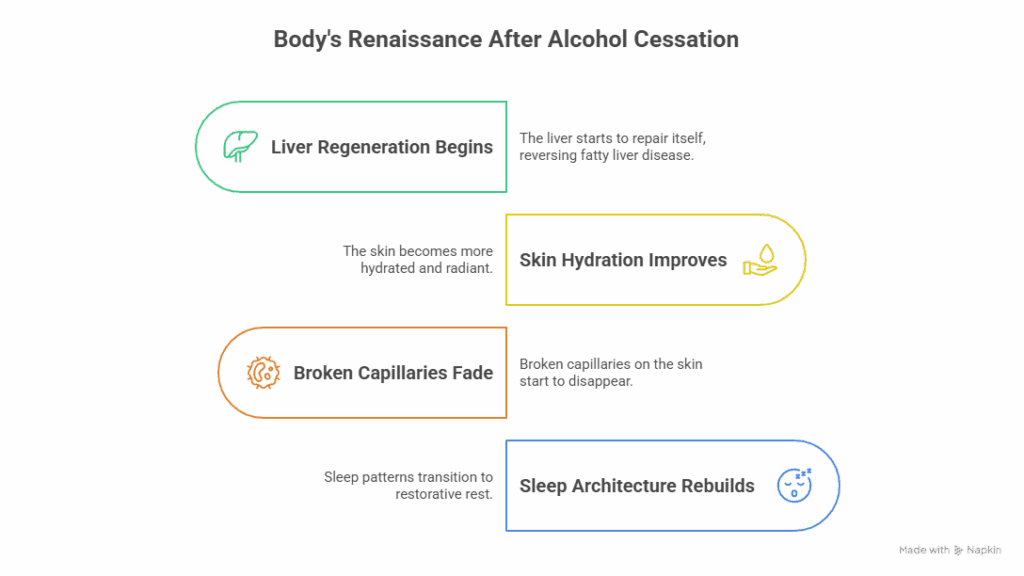
Your skin, that canvas of your health story, begins to glow with newfound hydration. Those broken capillaries that painted your cheeks? They start to fade. Your sleep architecture—the very foundation of mental health—rebuilds itself, transitioning from alcohol-induced unconsciousness to genuine, restorative rest.
Research from UNSW confirms that even short-term abstinence delivers measurable health benefits, from improved liver function to better cardiovascular health.
Month One and Beyond: The Transformation Accelerates
Will I Lose Belly Fat If I Stop Drinking Alcohol?
Here’s where vanity meets vitality. Does alcohol slow metabolism? Absolutely. Alcohol hijacks your body’s fat-burning processes, forcing it to prioritize ethanol metabolism over everything else. Remove alcohol from the equation, and your metabolism remembers its actual job.
That stubborn belly fat—what some call the “beer belly” though wine and spirits are equal culprits—begins to retreat. Unity Point Health notes that quitting alcohol improves your overall metabolic health significantly. You’re not just losing weight; you’re reclaiming your body’s natural efficiency.
The Long Game: Months to Years
How Long After You Quit Drinking Does Your Body Return to Normal?
“Normal” is a moving target, but here’s the beautiful truth: recovery isn’t about returning to who you were—it’s about becoming who you were meant to be. The long-term effects of alcohol can take months or even years to fully reverse, but the journey itself transforms you.
| Recovery Timeline | Major Milestones |
| 3-6 Months | Liver fat reduces by up to 20%, cognitive function significantly improves, immune system strengthens |
| 6-12 Months | Risk of several cancers begins decreasing, cardiovascular health dramatically improves, mental health stabilizes |
| 1-5 Years | Brain volume increases in certain regions, risk of stroke and heart disease approaches that of non-drinkers |
Can Your Body Repair After Years of Drinking?
The short answer? Yes, remarkably so. Headwaters reports that even after decades of heavy drinking, the body retains an impressive capacity for healing. Your liver can regenerate, your brain can form new neural pathways, and your cardiovascular system can rebuild itself stronger than before.
Understanding the Side Effects of Quitting
The side effects of quitting alcohol aren’t just obstacles—they’re evidence of healing. That anxiety you feel? It’s your brain learning to produce its own calming chemicals again. The insomnia? Your sleep cycles reorganizing themselves. Even the cravings serve a purpose, teaching you to navigate discomfort and emerge stronger.
What happens when an alcoholic stops drinking involves more than physical withdrawal. It’s a complete systemic reboot—psychological, social, and spiritual. Columbia Psychiatry’s research emphasizes that recovery is a skill you can develop, not just a state you achieve.
The Nervous System: Your Body’s Command Center
How does alcohol affect the nervous system? Think of alcohol as a hacker infiltrating your body’s mainframe. It disrupts neurotransmitter function, impairs motor control, and clouds judgment. But here’s the plot twist: stop drinking, and your nervous system doesn’t just recover—it often becomes more resilient than before.
Within weeks, reflexes sharpen. Within months, that tremor in your hands steadies. The physical effects of alcohol on your nervous system—once seemingly permanent—fade like a bad dream upon waking.
What Organ Does Alcohol Affect Most?
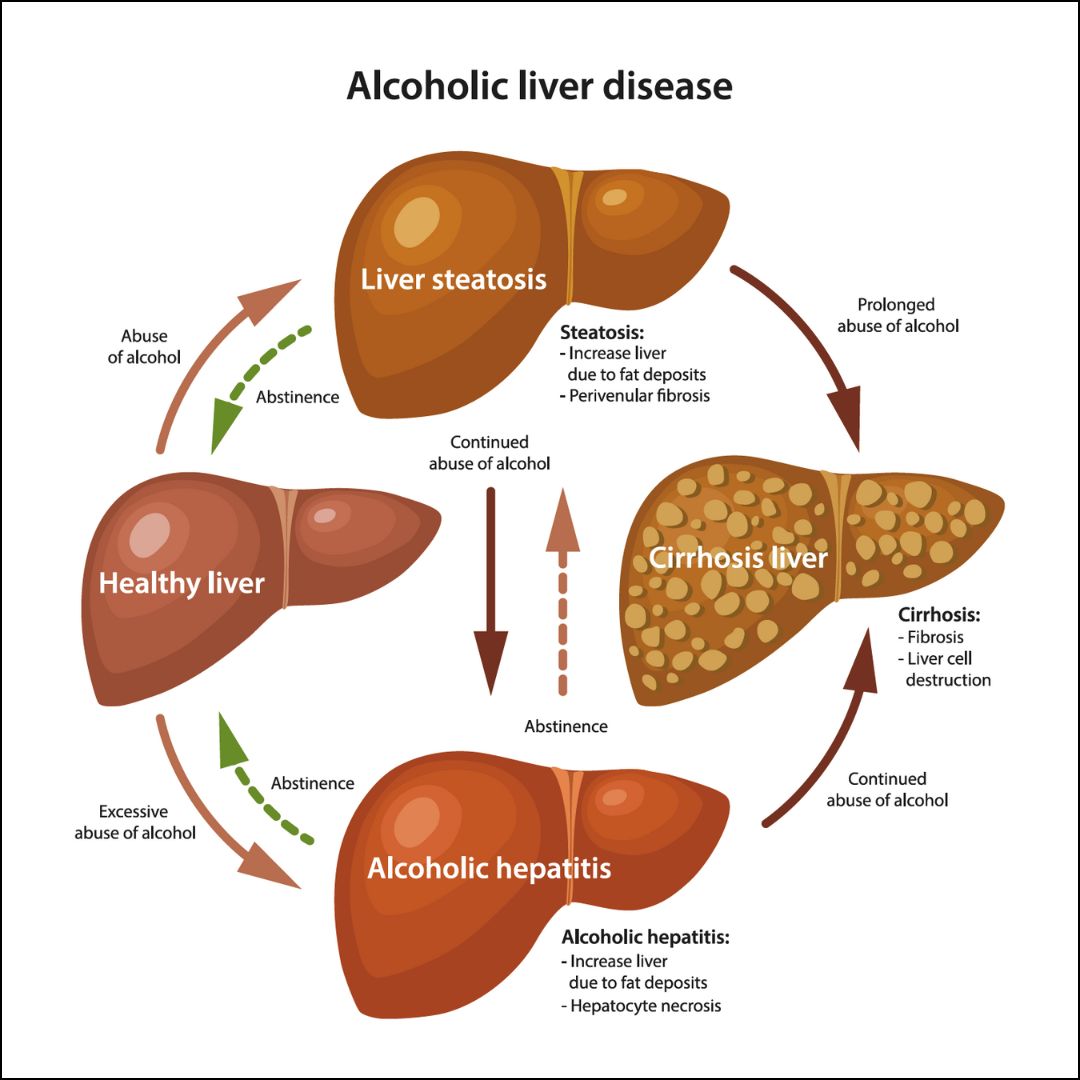
While alcohol is an equal-opportunity destroyer, affecting everything from your pancreas to your heart, your liver bears the brunt of the assault. But here’s what’s remarkable: this organ, weighing just three pounds, can regenerate like few others in your body. What does giving up alcohol do to your body? It gives your liver permission to be extraordinary.
Your Journey Forward
What happens to your body when you stop drinking alcohol isn’t just a biological process—it’s a revolution of self. Every cell in your body has been waiting for this moment, ready to showcase its capacity for renewal.
At Spark To Recovery, we’ve seen the impossible become inevitable. We’ve watched years of damage reverse in months, relationships rebuild from rubble, and lives reimagined from the ground up. The effects of stopping alcohol extend far beyond the physical—they ripple through every aspect of your existence.
The question isn’t whether your body can heal—science has proven it can, magnificently so. The question is whether you’re ready to witness your own transformation. Your body has been waiting, patiently, to show you what it’s capable of when given the chance.
Recovery isn’t just about what happens when you stop drinking beer or wine or spirits. It’s about what happens when you stop settling for less than you deserve. Your body knows how to heal. Sometimes, it just needs you to step aside and let it work its magic.
Ready to discover what your body is truly capable of? The journey from that last drink to lasting recovery begins with a single decision. At Spark To Recovery, we’re not just here to guide you through withdrawal—we’re here to help you architect a life where alcohol becomes irrelevant, where health becomes habitual, and where the best version of yourself isn’t a dream but a daily reality.
The transformation starts now. Your body is ready. Are you?

Laura A. Fierro, Ph.D., LMFT
Board-Certified Physician in Internal Medicine