
⚠️Visitors to our site are often searching for information because they, their best friend, or a family member has unfortunately fallen into use of dangerous substances. If you or a loved one has fallen ill to substance abuse, we protect people from the dangers and provide medically assisted treatment to encourage lasting recovery! ⚠️
Call our admissions department at (855) 855-6544 or verify your insurance here to get immediate substance abuse help for yourself or a loved one.
TL;DR
The M365 Pill is a white, oblong tablet containing 5mg of hydrocodone and 325mg of acetaminophen. While prescribed for moderate pain relief, this medication carries significant addiction potential. Misuse can lead to severe health complications, overdose, and dependency. Professional treatment offers the most effective path to recovery from M365 Pill addiction.
Introduction
The small white tablet stamped with “M365” represents more than just pain relief—it’s a prescription that demands respect and caution. This M365 Pill, frequently found in medicine cabinets across America, combines the opioid hydrocodone with acetaminophen to manage pain. Understanding what you’re taking matters more than you might think.

What Is the M365 Pill?
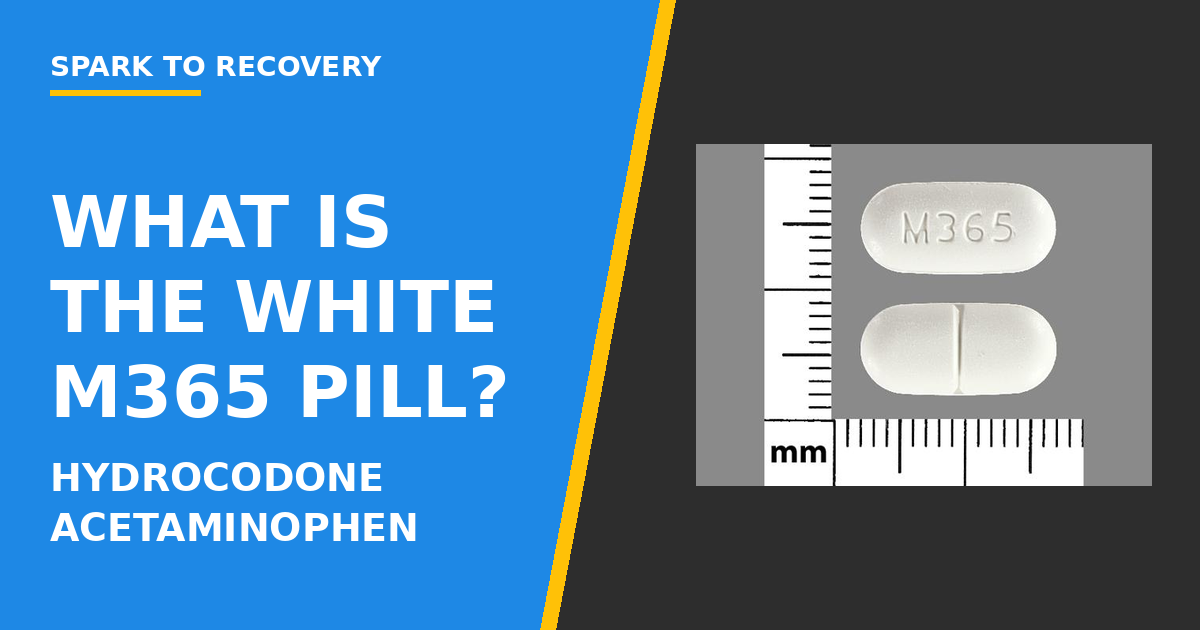
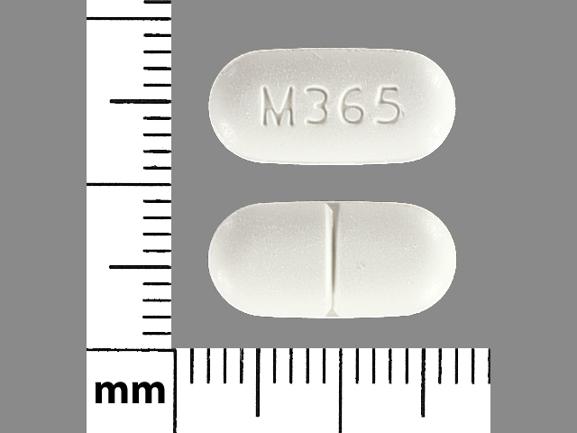
The M365 Pill is a prescription medication manufactured by Mallinckrodt Pharmaceuticals. This white oblong pill contains a specific combination of 5 milligrams of hydrocodone bitartrate and 325 milligrams of acetaminophen. Consequently, the pill number M365 serves as an identification marker pressed directly onto the tablet’s surface.
Hydrocodone belongs to the opioid class of medications, while acetaminophen functions as a non-opioid pain reliever. Together, they create a synergistic effect that manages moderate to moderately severe pain. The M365 white pill appears as a capsule-shaped tablet, easily recognizable by its distinctive imprint.
How the M365 Pill Works
The M365 Pill operates through a dual-mechanism approach that targets pain from multiple angles. Hydrocodone binds to opioid receptors in your brain and spinal cord, effectively blocking pain signals before they reach conscious awareness. Meanwhile, acetaminophen reduces fever and enhances the overall pain-relieving effect.
This white oval pill M365 typically begins working within 30 to 60 minutes after ingestion. Moreover, the effects generally last four to six hours, depending on individual metabolism and tolerance levels. [1] The medication’s lipid solubility allows it to cross the blood-brain barrier rapidly, which explains its quick onset of action.
Legitimate Medical Uses Versus Misuse
Healthcare providers prescribe the M365 medication for various legitimate medical conditions. These include post-surgical pain management, chronic pain from injuries, dental procedures, and certain medical conditions requiring opioid intervention. However, the line between appropriate use and misuse often blurs dangerously.
Misuse occurs when individuals take the M365 Pill differently than prescribed. This includes taking higher doses, using it more frequently, or consuming it without a prescription. Furthermore, crushing and snorting the M365 white oblong pill represents a particularly dangerous form of abuse that accelerates drug absorption.

Short Term Side Effects of the M365 Pill
Even when taken as directed, the M365 Pill can produce various short-term side effects. Common reactions include drowsiness, dizziness, nausea, and constipation. Additionally, you might experience lightheadedness, vomiting, or difficulty urinating.
These effects typically diminish as your body adjusts to the medication. Nevertheless, some individuals experience more concerning symptoms like shallow breathing, confusion, or unusual fatigue. The M365 tablet affects everyone differently based on factors like body weight, metabolism, and concurrent medications.
Long Term Risks and Complications
Extended use of the M365 Pill introduces serious health complications that extend far beyond temporary discomfort. Chronic use can damage your liver due to the acetaminophen component, particularly when combined with alcohol or exceeding recommended doses. [2] Furthermore, long-term hydrocodone exposure alters brain chemistry fundamentally.
The white tablet M365 can lead to physical dependence, meaning your body adapts to the drug’s presence and requires it to function normally. Additionally, tolerance develops over time, necessitating higher doses to achieve the same pain relief. This dangerous cycle often culminates in addiction, where compulsive drug-seeking behavior dominates your life.
Respiratory depression represents another critical concern with prolonged M365 Pill use. Over time, the medication can suppress your body’s natural breathing reflexes, creating life-threatening situations during sleep or when combined with other sedatives.
Overdose Risks With the M365 Pill
Overdosing on the M365 Pill constitutes a medical emergency requiring immediate intervention. Symptoms include extreme drowsiness, pinpoint pupils, cold and clammy skin, and severely slowed breathing. Moreover, the acetaminophen component can cause acute liver failure, even when the hydrocodone amount seems manageable.
The risk of overdose increases significantly when combining the M365 white oval pill with alcohol, benzodiazepines, or other central nervous system depressants. In fact, polysubstance use accounts for the majority of opioid-related overdose deaths in the United States. [3] Emergency responders use naloxone (Narcan) to reverse opioid overdoses, though this doesn’t address acetaminophen toxicity.
Signs of M365 Misuse or Addiction
Recognizing addiction signs early can save lives. Behavioral indicators include doctor shopping for multiple prescriptions, taking the M365 Pill more frequently than prescribed, and experiencing intense cravings when the medication runs out. Physical signs encompass weight changes, sleep disturbances, and declining personal hygiene.
Social relationships often deteriorate as the oblong white pill M365 becomes a priority over family, work, or hobbies. Financial problems may emerge from purchasing pills illegally or exhausting insurance benefits. Furthermore, individuals might isolate themselves, become defensive about their medication use, or exhibit mood swings and irritability.
Psychological dependence manifests as anxiety about running out of pills, preoccupation with the next dose, and inability to function without the medication. These warning signs indicate that professional help is necessary.

M365 Pill Withdrawal Symptoms
Discontinuing the M365 Pill after prolonged use triggers withdrawal symptoms that range from uncomfortable to severe. Early symptoms typically include muscle aches, restlessness, anxiety, and excessive sweating. Subsequently, you might experience nausea, vomiting, diarrhea, and dilated pupils.
Peak withdrawal symptoms generally occur within 72 hours of the last dose. During this period, individuals often experience intense drug cravings, insomnia, rapid heartbeat, and elevated blood pressure. While hydrocodone withdrawal rarely proves fatal, the discomfort drives many people back to using.
The acetaminophen component doesn’t cause physical withdrawal, but the hydrocodone M365 certainly does. Symptoms can persist for weeks, with psychological effects like depression and anxiety lasting even longer without proper treatment support.
Treatment for M365 Pill Misuse and Hydrocodone Addiction
Recovery from M365 Pill addiction requires comprehensive, professional treatment that addresses both physical dependence and underlying psychological factors. Medical detoxification provides a safe, supervised environment where healthcare professionals manage withdrawal symptoms with appropriate medications and monitoring.
Medication-assisted treatment (MAT) often incorporates buprenorphine or methadone to reduce cravings and ease withdrawal discomfort. These evidence-based approaches significantly improve treatment outcomes compared to abstinence-only methods. Alongside medication, behavioral therapies help you understand addiction triggers, develop coping strategies, and rebuild a life without substances.
Cognitive-behavioral therapy (CBT) proves particularly effective for addressing thought patterns that perpetuate addiction. Additionally, group therapy provides peer support and accountability throughout recovery. Many individuals benefit from extended residential treatment programs that remove them from triggering environments while establishing healthy routines.

Hydrocodone Addiction Treatment at Spark To Recovery
At Spark To Recovery, we understand the complex nature of M365 Pill addiction and provide comprehensive, compassionate care tailored to your unique needs. Our evidence-based treatment programs combine medical expertise with personalized therapeutic approaches that address the whole person, not just the addiction.
Our facility offers medically supervised detoxification, individual and group counseling, family therapy, and aftercare planning that supports long-term recovery success. We recognize that addiction doesn’t discriminate, and neither does our commitment to helping you reclaim your life from the grip of prescription opioid dependence.
Recovery is possible, and you don’t have to face it alone. If you or a loved one struggles with M365 Pill misuse, contact us today to learn how our dedicated team can guide you toward lasting freedom from addiction.
Frequently Asked Questions
Q: Is the M365 Pill the same as Percocet?
A: No, the M365 Pill is not Percocet. While both contain opioids for pain relief, they differ significantly. The M365 Pill contains hydrocodone and acetaminophen, whereas Percocet contains oxycodone and acetaminophen. These are distinct opioid medications with different potency levels and effects.
Q: How strong is the M365 Pill compared to other pain medications?
A: The M365 Pill contains 5mg of hydrocodone, which is considered a moderate-strength opioid. It’s typically prescribed for pain that’s more severe than what over-the-counter medications can manage but less intense than what stronger opioids like oxycodone treat. However, strength varies based on individual tolerance and pain levels.
Q: Can you get addicted to the M365 Pill if taking it as prescribed?
A: Yes, addiction can develop even when following prescription guidelines. While proper use reduces risk, the hydrocodone in the M365 Pill affects brain chemistry in ways that can lead to physical dependence and psychological addiction. This risk increases with longer treatment duration and higher doses.
Q: What should I do if I suspect someone is misusing the M365 Pill?
A: Express your concerns compassionately and encourage them to seek professional help. Avoid confrontational approaches that might cause defensiveness. Research treatment options, offer to assist with finding resources, and consider consulting with an addiction specialist about the best intervention approach for your specific situation.
Q: How long does the M365 Pill stay in your system?
A: Hydrocodone is typically detectable in urine for 2-4 days after last use, though this varies based on factors like metabolism, dosage, frequency of use, and individual physiology. Blood tests can detect it for about 24 hours, while hair tests may show use for up to 90 days. However, these timeframes serve as general guidelines only.
Sources
[1] National Library of Medicine. (2022). Hydrocodone. In StatPearls [Internet]. Treasure Island, FL: StatPearls Publishing. https://www.ncbi.nlm.nih.gov/books/NBK538530/
[2] MedlinePlus. (2023). Acetaminophen. U.S. National Library of Medicine. https://medlineplus.gov/ency/article/002670.htm
[3] National Cancer Institute. (n.d.). Hydrocodone acetaminophen. In NCI Drug Dictionary. https://www.cancer.gov/publications/dictionaries/cancer-drug/def/hydrocodone-acetaminophen

Laura A. Fierro, Ph.D., LMFT
Board-Certified Physician in Internal Medicine