
⚠️ Visitors to our site are often searching for information because they, their best friend, or a family member has unfortunately fallen into use of dangerous substances. We aim to provide educational information, but more importantly, we protect people from the dangers of all forms of substance abuse! ⚠️
Call our admissions department at (855) 855-6544 or verify your insurance here to get immediate substance abuse help for yourself or a loved one.
The best thing to say to someone in rehab is simple: “I’m proud of you, I love you, and I’m here.” Short, warm messages that focus on the person, not the addiction, tend to land best, since feeling stigmatized can make people less willing to seek treatment.
It’s normal to worry about saying the wrong thing, especially if the past few months have been hard on you too. You don’t need perfect words, though, because what matters most is that your loved one hears support instead of blame.
In this article, we’ll share what to say on calls and visits, what to write in a letter, and which phrases are better left out.
Key Takeaways
- Short, warm messages like “I’m proud of you” and “I’m here” usually help the most.
- Feeling stigmatized can make people less willing to seek treatment. [1]
- Person-first words, like “a person with a substance use disorder,” are kinder than “addict.” [1]
- In one study, the term “substance abuser” made even clinicians more likely to blame and punish. [2]
- A good letter is short and hopeful, and it looks ahead instead of back.
- At Spark To Recovery, loved ones can visit, and residents can use the center’s phones after the first week.
- Relapse doesn’t mean treatment has failed. [3]
Why Do Your Words Matter So Much During Rehab?
Your words matter because people in rehab are often carrying a lot of shame, and the way family talks to them can either ease that weight or add to it. According to the National Institute on Drug Abuse (NIDA), feeling stigmatized can make people with a substance use disorder less willing to seek treatment. [1]
Even small word choices make a difference. In a study of 516 mental health clinicians, people who read about a “substance abuser” were more likely to see that person as personally to blame and to support punishment than those who read about someone “having a substance use disorder.” [2]
If trained professionals react that way to a single word, it’s not hard to imagine how a word like “addict” can sting when it comes from family.
That’s why NIDA recommends person-first language, which focuses on the person instead of the illness. It also suggests asking your loved one how they’d like to be described, since people should get to choose. [1]
What Are Some Supportive Things to Say?
The most supportive things to say are short, honest, and focused on who your loved one is beyond the addiction. You don’t have to talk about drugs or alcohol at all. Often, the most helpful message is simply that you’re still in their corner.
| When you want to say… | Try this. |
| I’m proud of you. | “Going to treatment took real courage, and I’m proud of you.” |
| I’m still here. | “Nothing about this changes how much I love you.” |
| Take your time. | “Focus on yourself right now. We’ve got things covered here.” |
| I see you. | “I can hear you sounding more like yourself.” |
| I’m listening. | “How are you really doing today?” |
| We’re in this together | “Whatever you need from me, just tell me.” |
| I believe in you. | “You’ve gotten through hard things before, and you can get through this too.” |
| Normal life is waiting. | “The dog misses you, and so do I.” |
Small, everyday updates help too, like a funny story from home, a photo, or news about a friend, because they remind your loved one that there’s a life waiting for them on the other side.
What Should You Avoid Saying?
It’s best to avoid anything that sounds like blame, labels, or pressure, as these can deepen the shame your loved one already feels. NIDA notes that words like “addict,” “abuser,” and “junkie” carry negative associations and that terms like “clean” and “dirty” may lower a person’s sense of hope. [1]
| Instead of… | Try… |
| “After everything you put us through…” | “I’m glad you’re getting help.” |
| “You’d better not mess this up.” | “I’m here no matter what.” |
| “Are you clean yet?” | “How are you feeling this week?” |
| “When are you coming home?” | “Take all the time you need.” |
| “My addict son/daughter…” | “My son/daughter, who’s in treatment…” |
Big decisions and old fights can usually wait as well. If something serious needs to be discussed, it’s often easier with a therapist’s help, which is where Family Therapy can come in. NIDA notes that family therapy helps people with drug use problems and their families improve overall family functioning. [3]
Read More: Why Do Addicts Lie to the People They Love?
What Should You Write in a Letter to Someone in Rehab?
A good letter to someone in rehab is short, warm, and hopeful. It says you love them, names something you’re proud of, and looks forward to the future, all without listing what went wrong. A single page is usually plenty.
Here’s a simple way to structure what to write to someone in rehab:
- Open with love, such as “I’ve been thinking about you every day.”
- Name the courage it took, like “Choosing treatment was brave.”
- Share a good memory that reminds them who they are.
- Add a small update from home to keep them connected.
- Look ahead, for example, “I can’t wait to go hiking with you again.”
- Close with support, such as “I’m proud of you, and I’m here.”
Some families are asked to write a different kind of letter during treatment, one that honestly describes how addiction has affected them. That’s a separate exercise usually guided by the treatment team.
Read More: What is an Impact Letter? Will it Help My Addict?

Can You Call or Visit Someone in Rehab?
It depends on the program, so it’s best to check the rules with the treatment center first. At Spark To Recovery, loved ones are allowed to visit, and residents can use the center’s phones for local and long-distance calls after the first week of treatment, as explained in Spark’s Frequently Asked Questions.
Spark also limits cellphones and laptops so residents can focus on recovery, while staff helps them stay in touch with loved ones in a way that supports their treatment goals.
The first days can feel quiet, which is normal and not a sign that something’s wrong.
Read More: What Happens During the First 72 Hours of Rehab?
What Should You Say if Your Loved One Relapses?
If your loved one relapses, it helps to say something like “I’m not giving up on you, so let’s figure out the next step together.” Relapse can feel like a betrayal, but NIDA explains that relapse doesn’t mean treatment has failed. [3]
Because addiction is a chronic condition, relapse rates for drug use are similar to rates for other chronic medical illnesses, and newer treatments are designed to help with relapse prevention. [3]
Staying calm and steady sends a powerful message: the door to recovery is still open.
How Spark To Recovery Can Help Your Family

Supporting someone through rehab can be exhausting, and you shouldn’t have to do it alone. Whether your loved one is already in treatment or still isn’t ready, the right support can make the next step feel a lot less overwhelming.
Spark To Recovery offers Residential Treatment in Sherman Oaks, Los Angeles, with Family Therapy to help families heal together. If you’re looking into care for someone you love, start with Treatment for a Loved One or check coverage through Insurance Verification.
Medical disclaimer: This article is for educational purposes and doesn’t replace medical advice. If someone is in immediate danger, call 911, and for suicidal thoughts, call or text 988.
When Is Inpatient Medically Assisted Rehab the Right Choice?
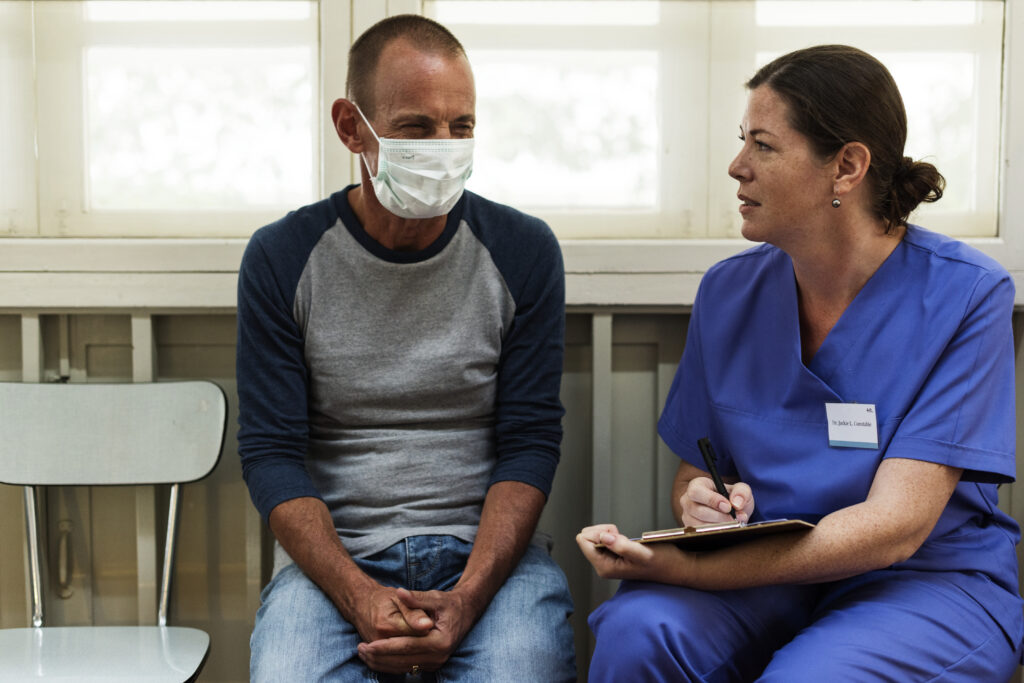
Every person’s path to recovery looks different, and the right level of care depends on their needs.
Inpatient, medically assisted rehab is often a good fit when someone:
- Needs medical supervision during withdrawal
- Has tried outpatient treatment and relapsed
- Is also dealing with a mental health condition
- Lives in a home where triggers are hard to avoid
At Spark To Recovery, residents get 24/7 medical care in a safe, structured setting away from daily triggers. Therapy focuses on coping skills and relapse prevention, and we support the family as well as the person in treatment.
Not sure which level of care your loved one needs? Our admissions team can walk you through the options.
Frequently Asked Questions
Tell them you’re proud of them and that you’ll be there when they’re ready.
Avoid blame, labels like “addict” or “clean,” and pressure about when they’ll come home.
One page is usually enough, as long as it’s warm and hopeful.
It depends on the program, so check with the treatment center first.
No, NIDA says relapse doesn’t mean treatment has failed.
Medical Sources
- Words Matter: Preferred Language for Talking About Addiction | National Institute on Drug Abuse (NIDA)
- Does it matter how we refer to individuals with substance-related conditions? A randomized study of two commonly used terms | International Journal of Drug Policy, 2010
- Treatment and Recovery | National Institute on Drug Abuse (NIDA)